



Introduction
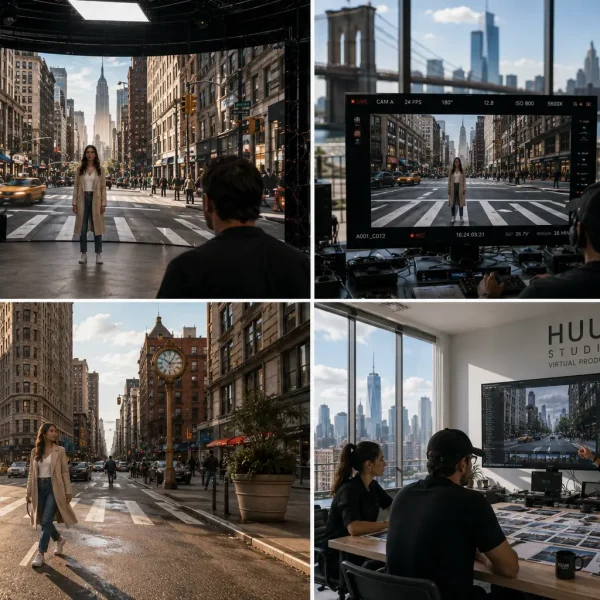
Cinematic architectural visualization is transforming how architects, developers, and real estate brands communicate their projects by turning static designs into emotionally engaging visual stories. Instead of presenting buildings as technical compositions, this approach focuses on atmosphere, movement, and narrative—allowing viewers to experience a space before it is built.
In today’s competitive real estate landscape, especially in regions like Canada and cities such as Vancouver and Toronto, traditional renders are no longer enough. Buyers and investors expect immersive architectural experiences that go beyond visuals and connect with their emotions. This shift has driven the rise of cinematic 3D visualization, where storytelling becomes a strategic tool rather than just a creative layer.
“High-quality architectural presentations are more than just good-looking renders; your images need to tell a compelling story.”(autodesk) By integrating architectural storytelling with advanced rendering technologies, professionals can create narrative-driven design visualization that communicates lifestyle, mood, and identity. These experiential architectural presentations help audiences understand not just what a project looks like, but how it feels to live or interact within it.
As digital marketing and branding continue to evolve, Cinematic architectural visualization approaches are becoming essential for differentiation. Developers, agencies, and studios across Canada are leveraging emotional architectural visualization to capture attention, build trust, and accelerate decision-making. Ultimately, cinematic architectural visualization is not just about images—it is about creating meaningful connections through story, and that is why cinematic architectural visualization is redefining modern real estate marketing.
What Is Cinematic Architectural Visualization?
Cinematic architectural visualization refers to a storytelling-driven approach to presenting architectural projects using techniques inspired by filmmaking. Instead of focusing solely on accuracy and geometry, it combines lighting, camera movement, composition, and sound to create immersive architectural experiences that feel alive.
Unlike traditional rendering methods, cinematic 3D visualization emphasizes narrative. It guides the viewer through a space, often simulating a real-life journey—walking through a living room, observing natural light shifts, or experiencing how materials interact with the environment. This approach transforms a simple design into a narrative-driven design visualization.
In markets like Canada, where real estate competition is high and buyers are more visually sophisticated, cinematic visualization has become a key differentiator. Developers in cities like Vancouver are increasingly using experiential architectural presentation techniques to showcase not only the property but also the lifestyle it represents.
Another defining aspect is emotional architectural visualization. By carefully designing scenes, such as a warm sunset in a residential space or a dynamic urban environment, creators evoke feelings that influence perception and decision-making. This emotional layer makes projects more memorable and persuasive.
Ultimately, cinematic architectural visualization bridges the gap between design and experience. It allows stakeholders to understand a project not just as a structure, but as a living environment shaped by light, time, and human interaction.
How Storytelling Enhances Architectural Communication
Cinematic architectural visualization becomes truly powerful when combined with storytelling, as it transforms architectural communication from simple presentation into a meaningful experience. Instead of showing isolated views, architectural storytelling connects spaces through a narrative that reflects how people live, move, and feel within an environment.
At its core, architectural storytelling is about context. It answers questions that static visuals cannot, Who lives here? What happens in this space throughout the day? How does light evolve from morning to evening? By integrating these elements, narrative-driven design visualization creates a journey rather than a snapshot.
In fast-moving real estate markets like Vancouver and Toronto, storytelling plays a critical role in capturing attention. Buyers are often comparing multiple developments, and immersive architectural experiences help projects stand out by creating emotional resonance. Instead of evaluating floor plans alone, potential clients begin to imagine themselves inside the space.
Another key advantage is clarity. Complex architectural ideas, such as spatial flow, material transitions, or interaction between indoor and outdoor areas—are easier to understand when presented through cinematic 3D visualization. A guided visual narrative eliminates confusion and communicates design intent more effectively than technical diagrams.
Storytelling also strengthens branding. For developers and agencies across Canada, emotional architectural visualization becomes a tool to express identity, values, and lifestyle positioning. Whether it’s luxury, sustainability, or urban vibrancy, the narrative shapes how the audience perceives the project.
Ultimately, storytelling enhances architectural communication by making it human-centered. It shifts the focus from “what is designed” to “how it is experienced,” allowing cinematic architectural visualization to deliver deeper engagement and stronger impact.

1. Real Estate Is No Longer About Property—It’s About Identity
In the past, buyers asked:
- How big is it?
- What’s the price?
Today, they ask (even subconsciously):
- Does this feel like me?
- Can I see my life here?
This is where architectural storytelling becomes critical.
You’re not selling:
- A 2-bedroom unit
You’re selling:
- A quiet morning routine
- A lifestyle
- A personal narrative
The property becomes a stage for life, not the product itself.
2. Storytelling Bridges the Gap Between Imagination and Reality
Real estate—especially pre-construction—has a big challenge:
The product doesn’t exist yet.
So what do buyers rely on?
Imagination.
Storytelling solves this by:
- Giving context to empty spaces
- Showing time (morning, evening, seasons)
- Simulating real human interaction
This is exactly what cinematic architectural visualization does:
- It removes uncertainty
- It builds confidence
- It makes the invisible feel real
3. From Static Selling → Narrative Selling
Old model:
- Floor plans
- Static renders
- Bullet points
New model:
- Narrative-driven design visualization
Instead of showing:
“Living room with large windows”
You show:
- Light slowly entering the room
- Curtains moving slightly
- A sense of calm
This is immersive architectural experience.
You are not describing space—you are guiding perception.
4. Emotion Is the Real Decision-Maker
Here’s a key truth (very important for marketing strategy):
People justify with logic, but decide with emotion.
Storytelling activates:
- Comfort → “I feel safe here”
- Aspiration → “I want this life”
- Belonging → “This fits me”
This is why emotional architectural visualization is powerful:
- It shortens decision cycles
- It increases perceived value
- It differentiates similar projects
5. Time Becomes a Design Element
Traditional visuals show one moment.
Storytelling introduces:
- Morning vs evening
- Weekday vs weekend
- Summer vs winter
This adds life to architecture.
Example:
- Morning → calm, soft light
- Evening → warm, social atmosphere
Now the project feels alive, not static.
6. The Buyer Becomes the Protagonist
In strong storytelling:
- The project is not the hero
- The buyer is the hero
The visualization should make the viewer feel:
“This is my story”
This is done through:
- Human-scale camera angles
- Natural movement
- Relatable scenarios
This is the core of experiential architectural presentation.
7. Storytelling = Competitive Advantage
In markets where:
- Projects look similar
- Pricing is close
- Features overlap
Storytelling becomes the differentiator.
Developers using cinematic approaches:
- Stand out faster
- Build stronger emotional recall
- Convert leads more effectively

How to Empower Storytelling in a New Real Estate Marketing Approach
Empowering storytelling in modern real estate marketing is no longer a creative choice, it’s a strategic necessity. Buyers today are not just evaluating square footage or pricing; they are searching for meaning, lifestyle, and emotional connection. This shift is exactly where cinematic architectural visualization becomes a powerful tool, transforming how properties are presented and perceived.
1. Shift from Selling Space to Selling Experience
Traditional marketing focuses on features—number of rooms, finishes, and layouts. A storytelling-driven approach reframes this into experiential architectural presentation.
Instead of saying:
- “3-bedroom apartment with ocean view”
You show:
- Morning light entering the living room
- A quiet coffee moment on the balcony
- The atmosphere of everyday life
This is architectural storytelling—turning design into lived experience.
2. Build a Narrative Around the User Journey
Every successful project should answer:
- Who lives here?
- What does their day look like?
- How does the space evolve over time?
Using narrative-driven design visualization, you guide the viewer through a sequence:
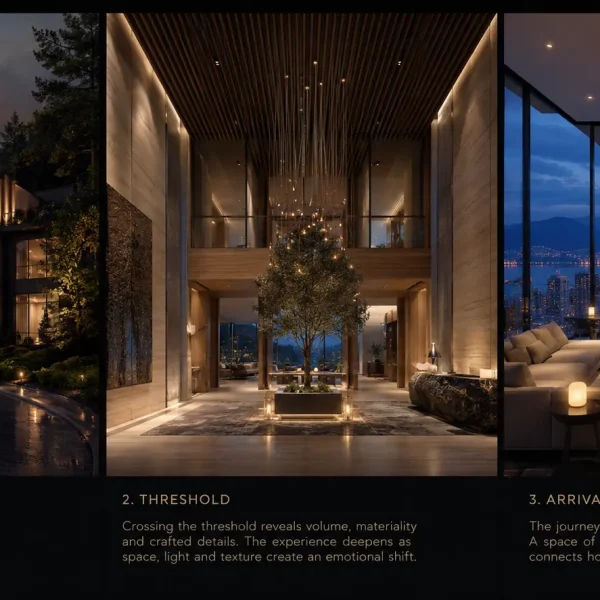
- Arrival → Entry → Living → Private spaces
This structure creates immersive architectural experiences that feel natural and intuitive.
3. Use Cinematic Techniques to Guide Emotion
Storytelling becomes powerful when combined with cinematic 3D visualization techniques:
- Lighting → sets mood (warm = comfort, cool = modernity)
- Camera movement → creates flow and immersion
- Framing → directs attention
- Timing & pacing → builds emotional rhythm
These elements transform a static render into emotional architectural visualization that influences perception.
4. Align Storytelling with Brand Identity
A project is not just architecture—it is a brand statement.
Your storytelling should reflect:
- Luxury → minimal, calm, refined scenes
- Family living → warm, active, human-centered moments
- Innovation → dynamic, futuristic compositions
This alignment ensures your cinematic architectural visualization strengthens both marketing and brand positioning.
5. Create Consistency Across Digital Platforms
Storytelling should not stop at a single video or render. It must extend across:
- Website experiences
- Social media campaigns
- Sales presentations
- Virtual tours
A consistent narrative builds recognition and trust. This is where immersive architectural experiences evolve into a full digital ecosystem.
6. Focus on Emotional Triggers, Not Just Visual Quality
High-quality visuals alone are no longer enough. What matters is:
- What the viewer feels
- What they remember
- What they imagine
Emotional architectural visualization creates:
- Desire
- Trust
- Faster decision-making
In real estate, emotion often drives action more than logic.
7. Turn Visualization into a Strategic Sales Tool
The most advanced developers no longer treat visualization as a final step. Instead, they use it as:
- A pre-sales accelerator
- An investor communication tool
- A brand storytelling platform
By integrating cinematic architectural visualization early in the process, storytelling becomes part of the project’s DNA—not just its presentation.
The new real estate marketing approach is not about showing buildings—it’s about telling stories that people want to live in. When done right, cinematic architectural visualization transforms projects into experiences, and experiences into decisions.
The Difference Between Cinematic Visualization and Technical Renders
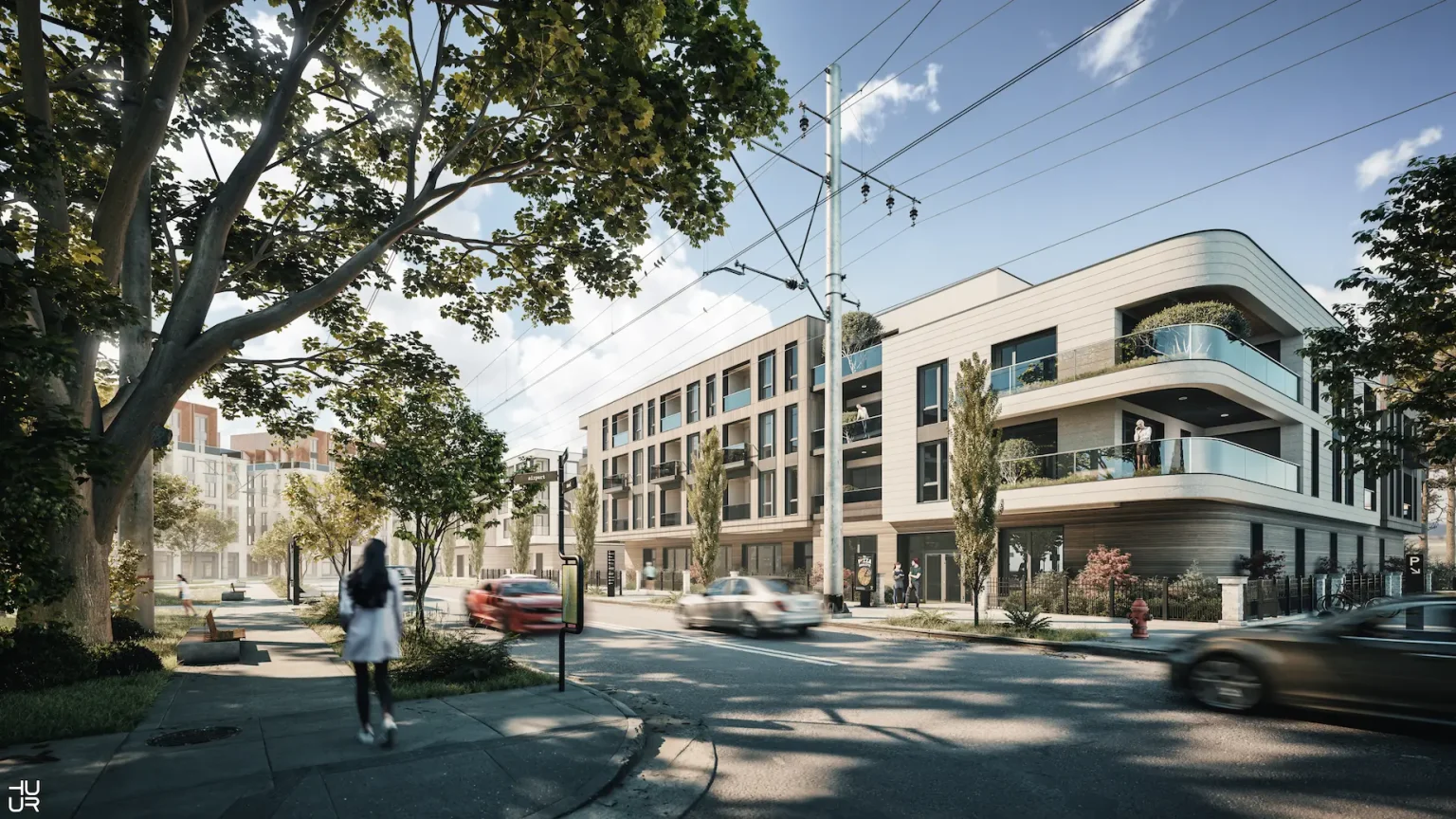
Cinematic architectural visualization differs fundamentally from traditional technical renders in both purpose and execution. While technical renders focus on accuracy, dimensions, and material representation, cinematic 3D visualization is designed to communicate experience, emotion, and narrative.
Technical renders are typically static images. They present a project clearly, often used for approvals, construction references, or internal reviews. These visuals prioritize precision—correct scale, clean lighting, and material realism—but they rarely convey how a space feels. In contrast, Cinematic architectural visualization introduces motion, sequencing, and atmosphere, turning a design into an immersive architectural experience.
Another key difference lies in storytelling. Technical visuals isolate moments, while narrative-driven design visualization connects scenes into a journey. A cinematic sequence might begin with an exterior sunrise, transition through an entrance, and end in a lived-in interior space. This progression helps viewers understand spatial relationships in a natural and intuitive way.
In competitive markets like Canada, especially in cities such as Vancouver, this distinction becomes critical. Buyers and investors are no longer satisfied with flat representations. They expect experiential architectural presentation that mirrors real-life perception and supports confident decision-making.
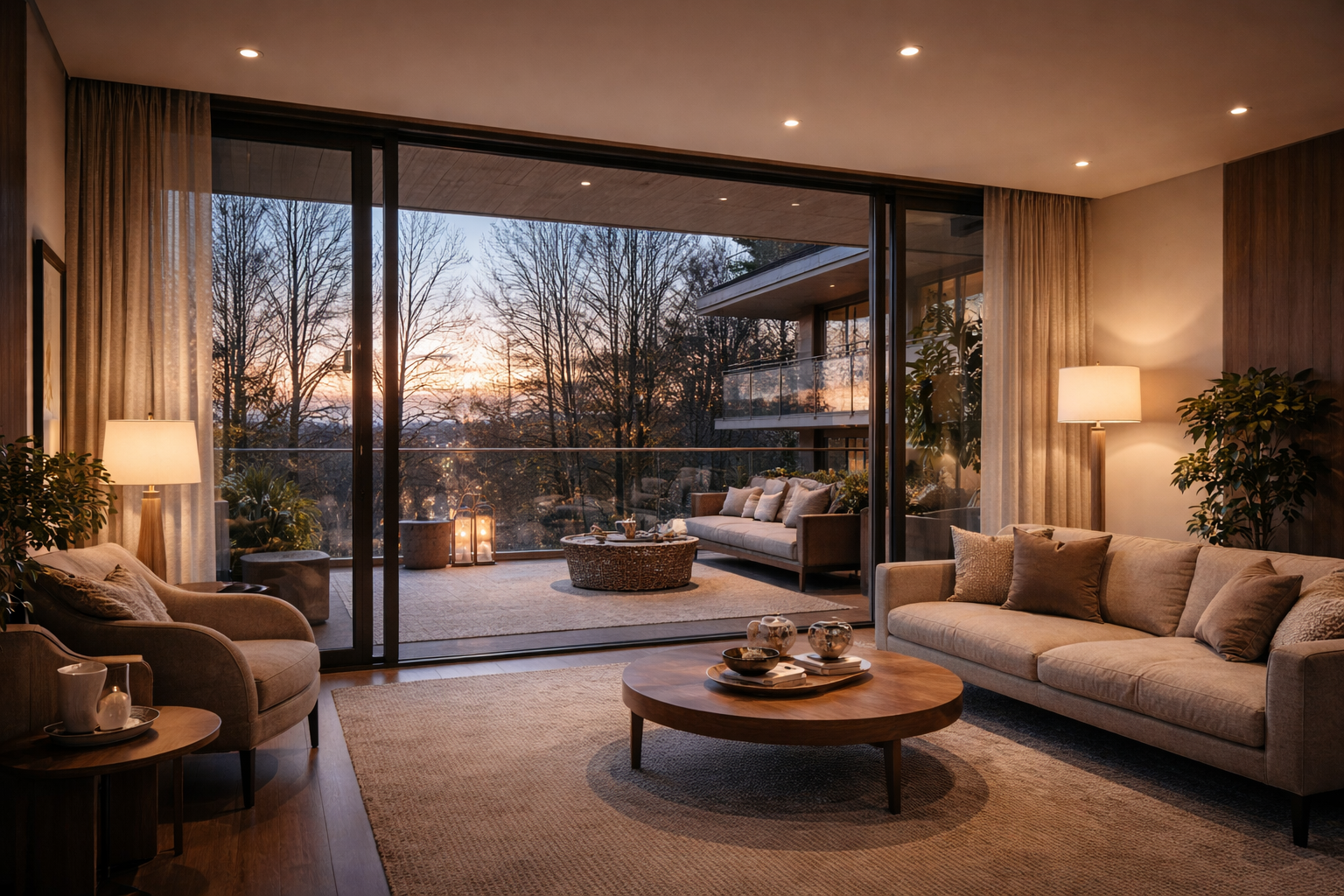
Emotion is another defining factor. Technical renders aim for neutrality, while emotional architectural visualization deliberately shapes mood through lighting, camera angles, and environmental details. For example, warm tones and soft shadows can create a sense of comfort, while dynamic lighting can emphasize energy and modernity.
Finally, usage differs across workflows. Technical renders remain essential for design validation, but cinematic architectural visualization is increasingly used in marketing, branding, and pre-sales strategies. It bridges the gap between design accuracy and audience engagement.
Understanding this difference allows developers, architects, and marketers to use both tools effectively, combining precision with storytelling to create impactful communication.
Using Narrative and Emotion in Architectural Presentation
Cinematic architectural visualization reaches its full potential when narrative and emotion are intentionally embedded into every frame. Instead of presenting a space as an object, emotional architectural visualization transforms it into an experience that audiences can feel, remember, and connect with.
At the heart of this approach is narrative structure. Just like in filmmaking, a strong experiential architectural presentation follows a sequence, beginning, progression, and emotional peak. For example, a scene may start with a quiet exterior shot at sunrise, transition into an entrance, and gradually reveal interior spaces filled with life. This flow allows viewers to naturally understand the environment.
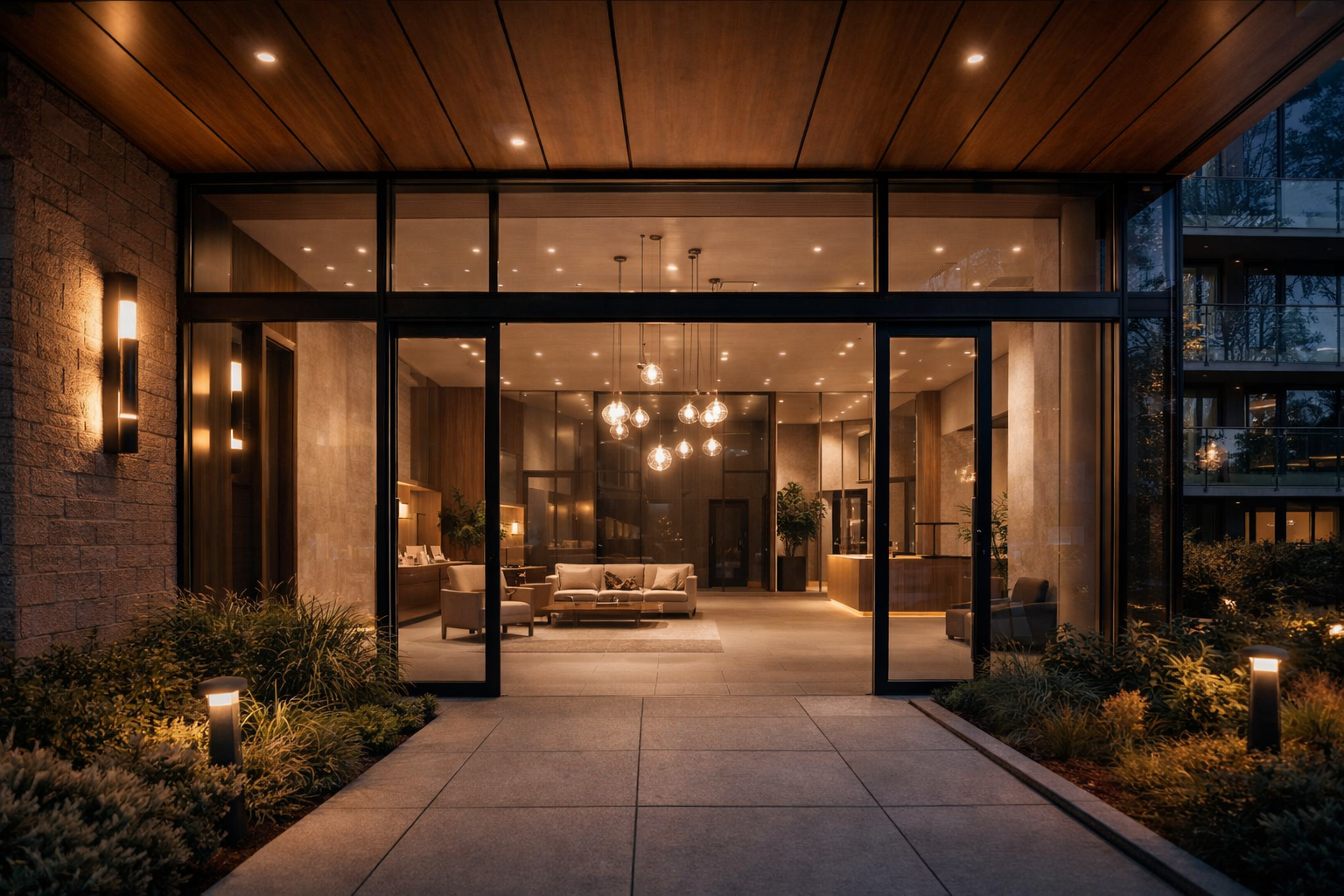
Lighting plays a critical role in shaping emotion. Soft morning light can evoke calmness, while golden-hour tones create warmth and comfort. In cinematic 3D visualization, these lighting choices are not random, they are carefully designed to align with the intended mood of the project. This is especially important in high-end developments across Vancouver, where atmosphere strongly influences buyer perception.
Camera movement is another essential element. Slow, controlled motion guides attention and builds immersion. Instead of jumping between static views, the viewer is led through the space, creating immersive architectural experiences that mimic real-life exploration.
Details also enhance emotional connection. Elements like moving curtains, reflections, subtle environmental sounds (when used in video), and human presence cues—without necessarily showing full characters, add realism and depth. These small touches turn narrative-driven design visualization into a believable scenario rather than a staged image.
For developers and brands across Canada, using emotion strategically can define how a project is remembered. Whether the goal is to communicate luxury, tranquility, or innovation, cinematic architectural visualization ensures that the audience does not just see the design, they feel it.
Why Cinematic Visualization Matters in Real Estate and Branding
Cinematic architectural visualization has become a strategic tool in real estate and branding because it directly influences how people perceive, trust, and decide on a project. In a market where attention spans are short and competition is intense, especially across Canada, developers need more than static visuals—they need immersive architectural experiences that create lasting impressions.
One of the most important advantages is its impact on buyer decision-making. Cinematic 3D visualization allows potential buyers to emotionally connect with a space before it exists. Instead of interpreting floor plans, they experience the environment through narrative-driven design visualization, which reduces uncertainty and builds confidence.
In cities like Vancouver and Toronto, where pre-construction sales are a major part of the real estate cycle, this approach becomes even more valuable. Developers can present projects in a way that communicates lifestyle, not just structure—helping buyers imagine living in the space rather than simply evaluating it.
Cinematic visualization also strengthens branding. Every project tells a story, and emotional architectural visualization ensures that story aligns with the brand’s identity. Whether positioning a development as luxury, sustainable, or community-focused, experiential architectural presentation becomes a core part of the brand narrative.
Another key factor is differentiation. Many projects compete within the same category, offering similar layouts and pricing. Cinematic architectural visualization provides a clear advantage by creating a memorable experience that stands out in digital campaigns, presentations, and social media.
Finally, Cinematic architectural visualization integrates seamlessly with modern marketing strategies. From websites and virtual tours to social media campaigns, cinematic content increases engagement and conversion rates. For agencies and studios, it is no longer optional—it is a critical component of effective real estate communication.
FAQs (AEO Optimized)
What is cinematic architectural visualization?
Cinematic architectural visualization is a storytelling-based method of presenting architecture using film techniques like camera movement, lighting, and sequencing to create immersive experiences.
How does storytelling improve architectural visualization?
Storytelling adds context and emotion, helping viewers understand how a space is used and experienced rather than just how it looks.
Is cinematic visualization only for marketing purposes?
No. While widely used in marketing, it also supports design communication, investor presentations, and concept development.
What makes a visualization cinematic rather than technical?
Cinematic visuals include motion, narrative, emotional lighting, and sequencing, while technical renders focus on accuracy and static representation.
Can digital branding improve customer trust?
Yes. Strong digital branding creates consistency, clarity, and professionalism, which increases trust and credibility with potential customers.
How long does it take to build a startup brand?
It typically takes 3–12 months to establish a solid startup brand, depending on strategy, market research, and execution quality.
Conclusion
Cinematic architectural visualization is redefining how architecture is communicated by merging design, storytelling, and emotion into a single powerful medium. As markets across Canada continue to evolve, professionals who adopt cinematic approaches gain a significant advantage in capturing attention, building trust, and driving decisions. By focusing on immersive architectural experiences, narrative-driven design visualization, and emotional connection, brands can move beyond static representation and create meaningful engagement. Ultimately, cinematic architectural visualization is not just a visual upgrade—Cinematic architectural visualization is a strategic shift that transforms how projects are perceived, understood, and valued.