

Introduction
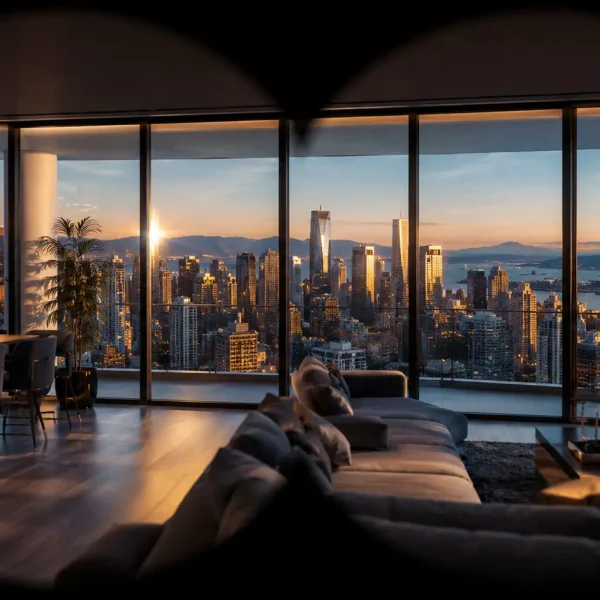
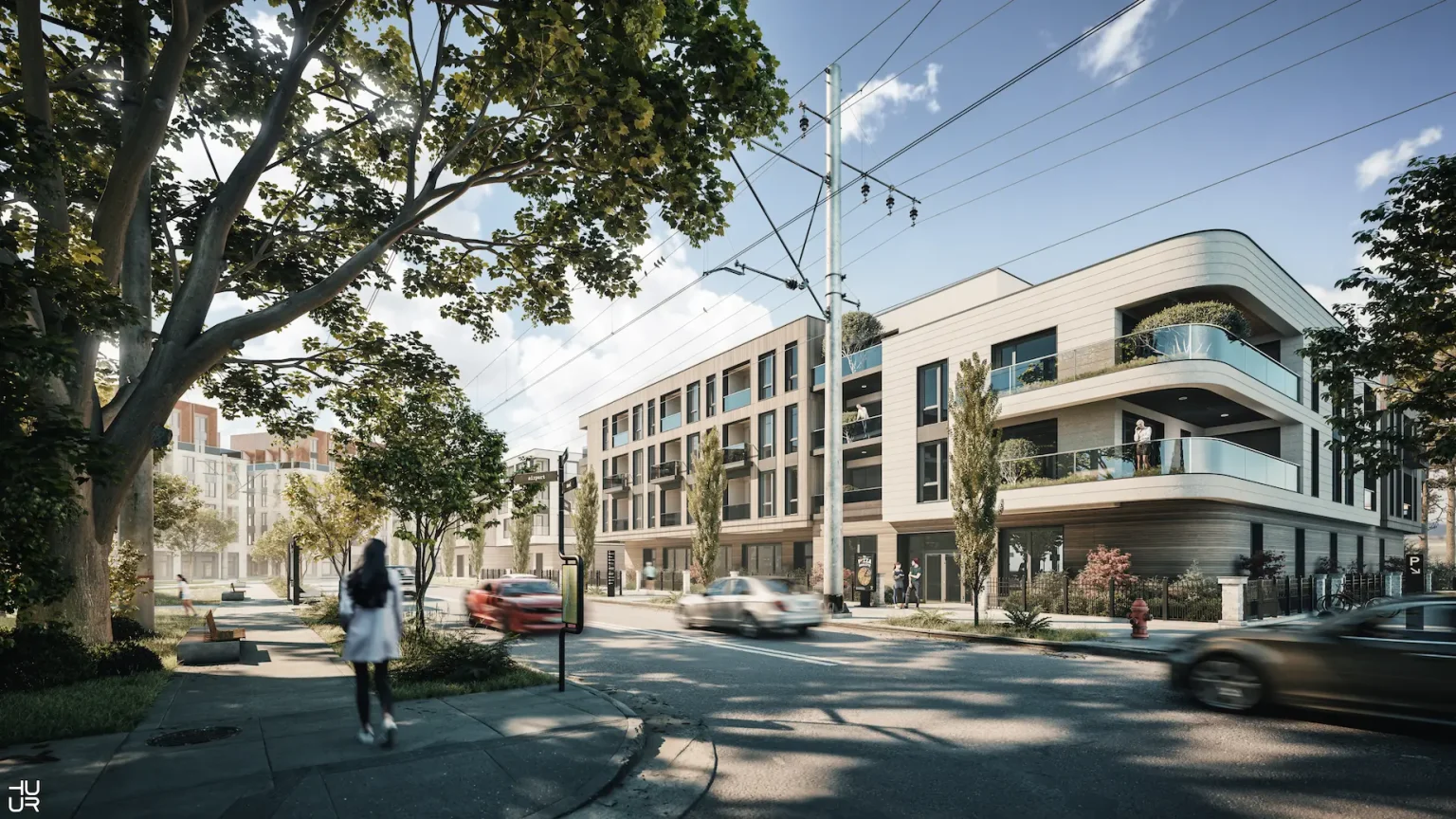
Virtual real estate visualization is rapidly transforming how properties are presented, marketed, and sold in today’s competitive digital landscape. Instead of relying on static images, brochures, or basic walkthroughs, developers now use advanced real estate visualization technology to create fully immersive, interactive environments that allow buyers to explore properties before they are even built.
This shift is especially important in markets like Vancouver and across Canada, where pre-construction sales and remote buyers play a major role. Through immersive real estate experiences, potential buyers can walk through spaces, understand layouts, and emotionally connect with a property without being physically present. This level of engagement was not possible with traditional methods and is now becoming an expected standard.
The rise of real-time real estate visualization has also introduced a new level of flexibility. Buyers can explore different design options, lighting conditions, and layouts instantly, while developers can update and refine projects without recreating entire visual sets. Combined with interactive 3D property tours and cinematic real estate visualization, this technology bridges the gap between imagination and reality.
As the industry continues to evolve, one thing is clear: success in modern real estate marketing depends on experience, not just presentation—and at the center of this transformation is virtual real estate visualization.
What Is Virtual Real Estate Visualization?
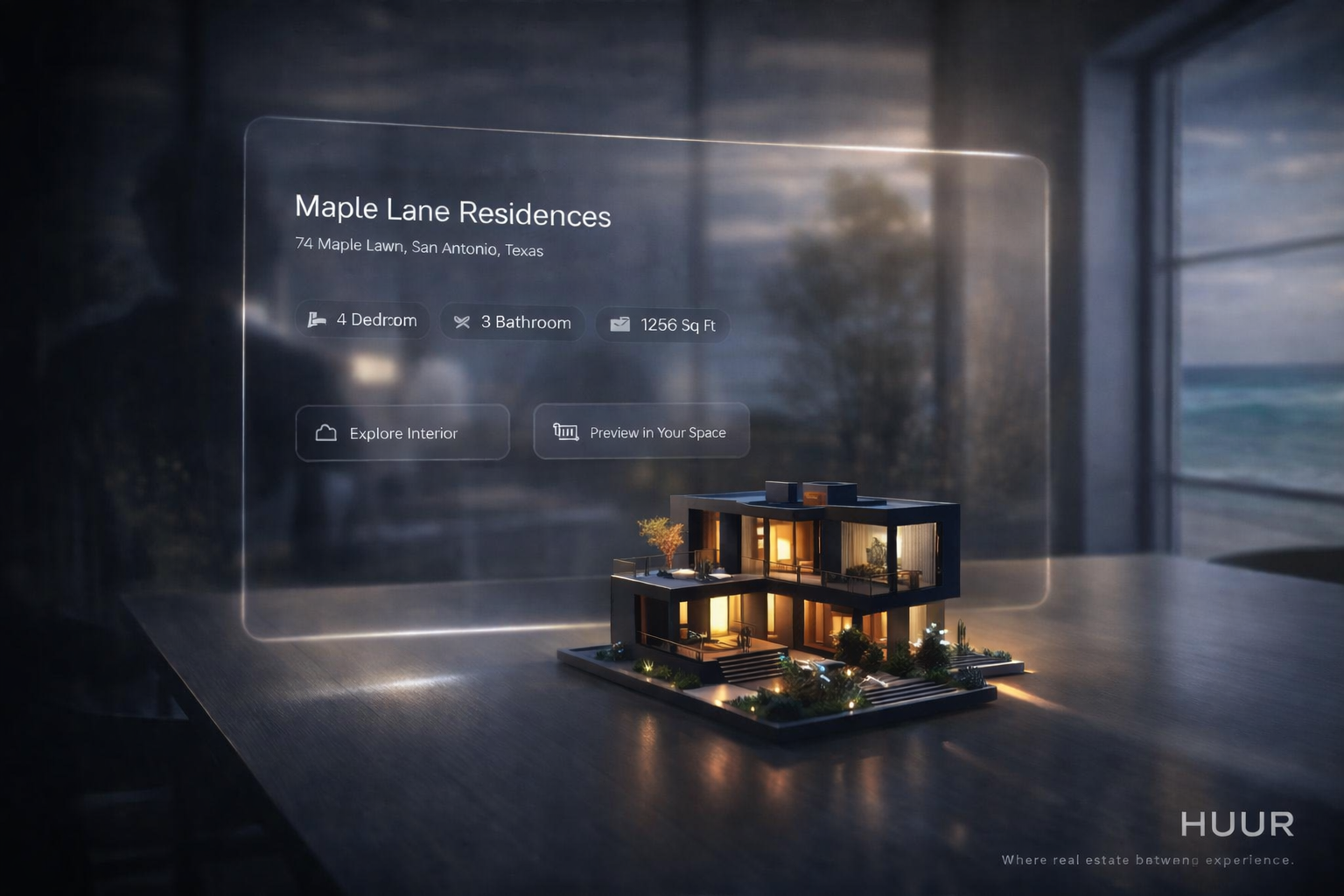
” The real estate industry is incredibly competitive. So, professionals need to adopt cutting-edge tools to stay ahead. (archicgi) ” Virtual real estate visualization is transforming how properties are designed, presented, and sold by turning static concepts into immersive digital environments that buyers can explore before construction even begins. Instead of relying on flat images or basic renders, this approach uses advanced real estate visualization technology to create fully interactive, high-fidelity experiences that simulate real-world spaces with precision.
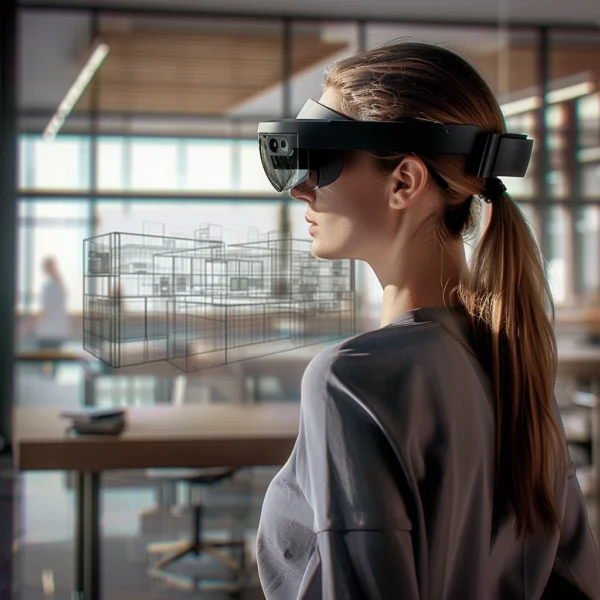
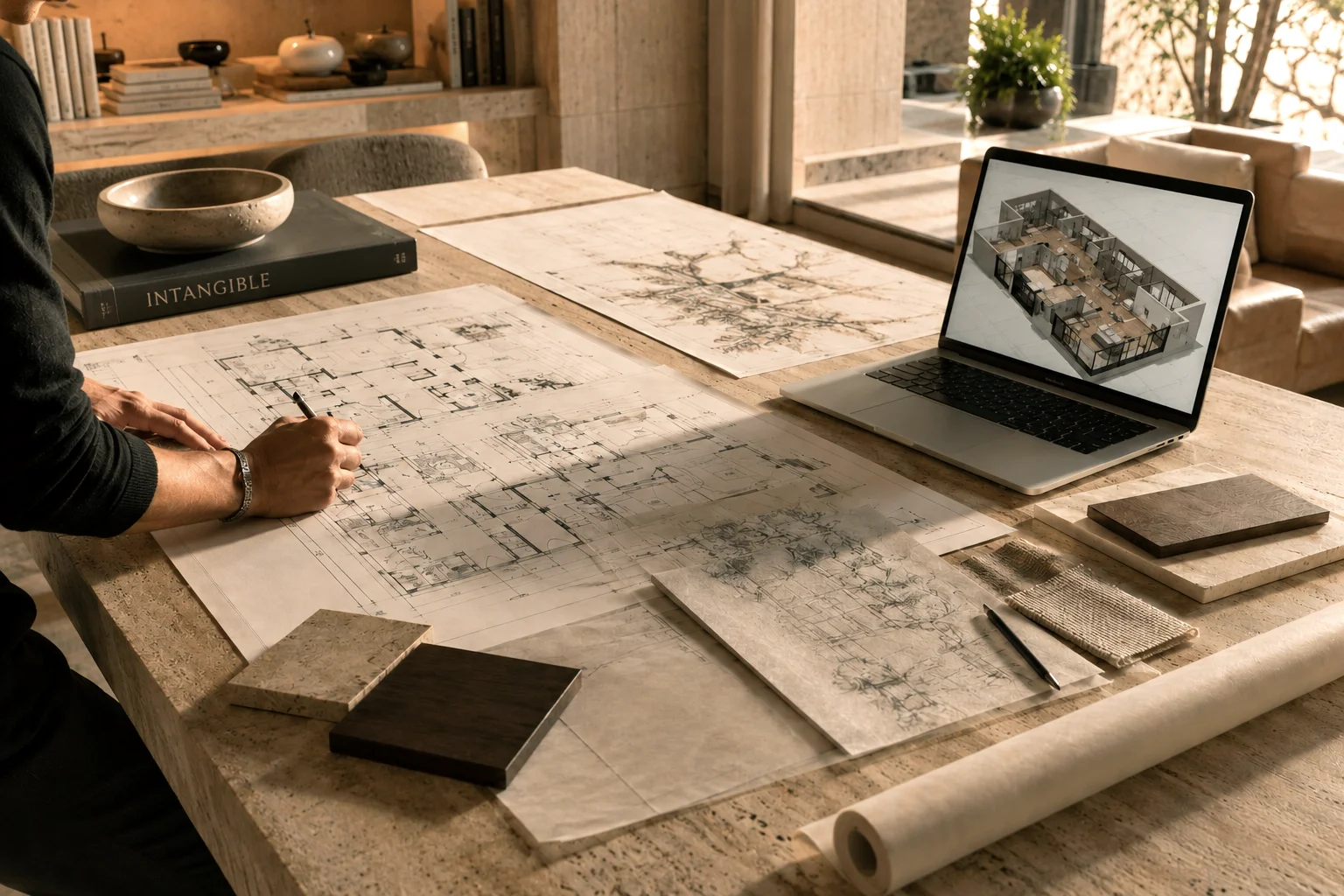
At its core, virtual property visualization combines 3D modeling, real-time rendering engines like Unreal Engine, and extended reality tools (VR/AR) to produce environments that feel alive. These environments allow users to move freely, change perspectives, and even interact with materials, lighting, and layouts. As a result, developers and marketers can present properties in a way that closely mirrors the final built experience.
One of the most important shifts in the industry is the move toward real-time real estate visualization. Unlike traditional rendering, where images are pre-produced and static, real-time systems allow instant updates and dynamic exploration. This capability is especially valuable in pre-construction projects, where buyers need confidence in something that doesn’t physically exist yet.
In markets like Vancouver and Toronto, where competition is high and buyers expect clarity before investing, immersive real estate experiences are becoming a key differentiator. Developers increasingly use interactive 3D property tours to showcase units, amenities, and entire communities, enabling remote buyers—including international investors—to engage with projects without being physically present.
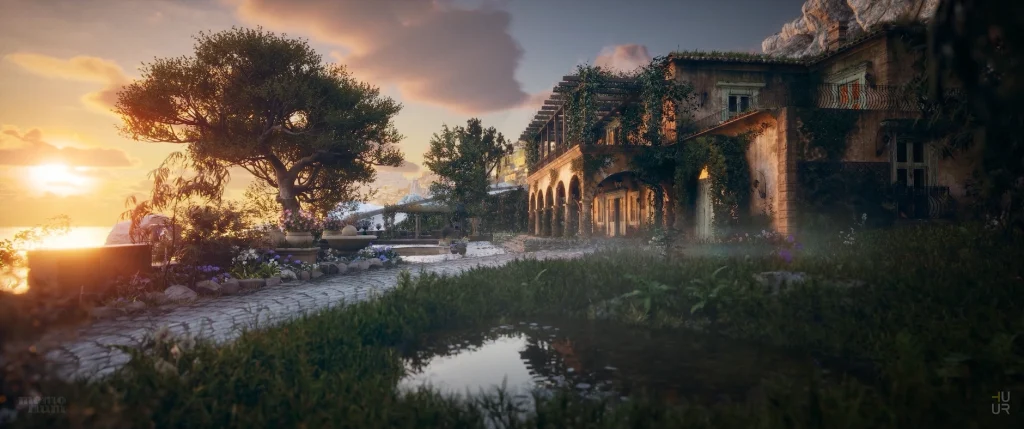
Another layer of impact comes from cinematic real estate visualization, which blends storytelling with architectural accuracy. Instead of just showing a space, it communicates lifestyle, atmosphere, and emotional connection—elements that significantly influence purchasing decisions.
Ultimately, virtual real estate visualization is no longer just a design tool—it is a strategic marketing and sales system that bridges the gap between imagination and reality.
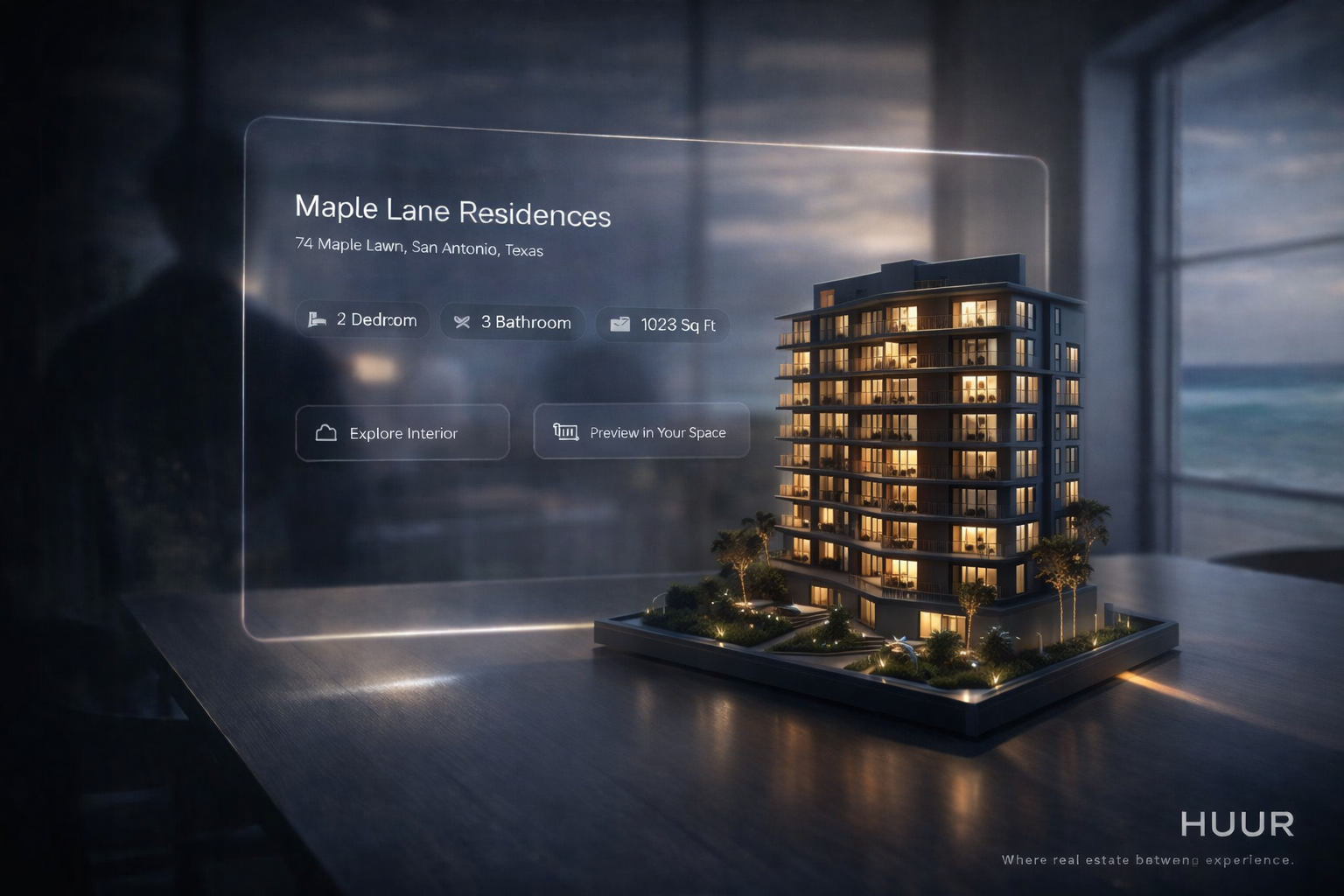
Immersive Technology
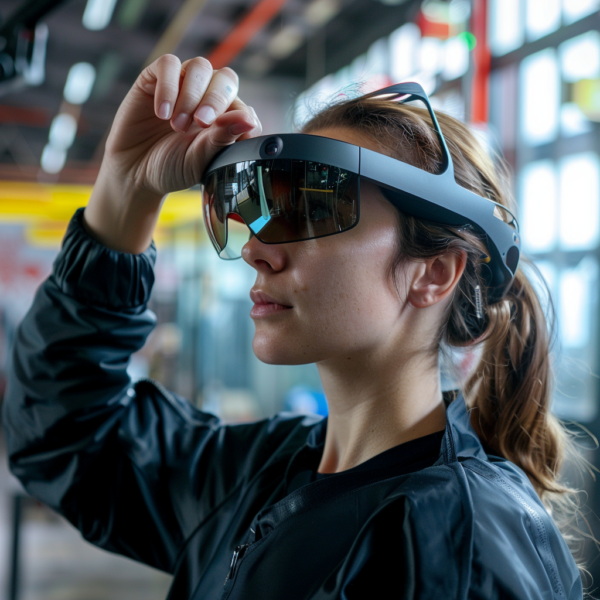
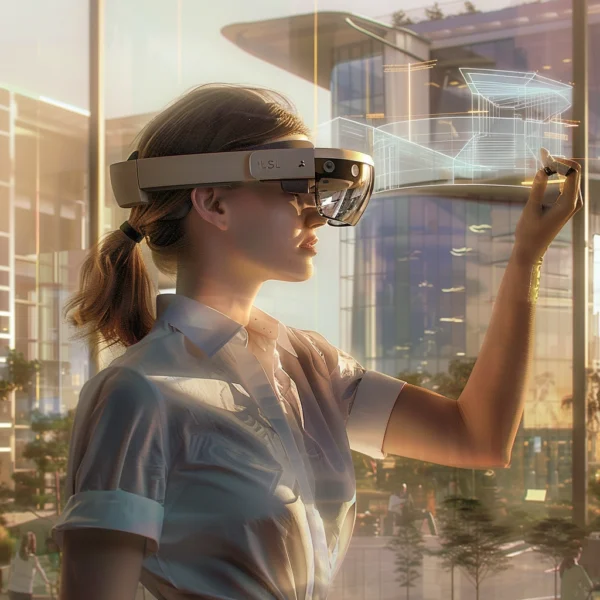
Immersive technology refers to a group of advanced digital tools—such as virtual reality (VR), augmented reality (AR), and real-time 3D environments—that create interactive experiences where users feel present inside a digital space rather than simply viewing it. In the context of virtual real estate visualization, immersive technology enables users to walk through properties, explore details, and interact with environments as if they were physically there. By combining real-time real estate visualization, spatial design, and user interaction, it transforms passive viewing into active engagement. This results in more compelling immersive real estate experiences, where buyers can understand scale, atmosphere, and functionality with clarity, making immersive technology a critical driver of innovation in modern real estate marketing.
Benefits of Real-Time Visualization for Developers and Buyers
Virtual real estate visualization powered by real-time technology delivers measurable advantages for both developers and buyers, especially in competitive markets like Vancouver and across Canada. By replacing static content with dynamic environments, real-time real estate visualization removes uncertainty, enhances engagement, and accelerates decision-making across the entire property lifecycle.
For developers, one of the most powerful benefits of real estate visualization technology is speed and flexibility. With real-time real estate visualization, updates to layouts, materials, lighting, and design details can be applied instantly without recreating static renders. This makes virtual property visualization a scalable solution for large developments, enabling faster iterations and better coordination between architects, marketers, and sales teams. It also reduces production costs while increasing efficiency in delivering high-quality interactive 3D property tours.
From a marketing perspective, virtual real estate visualization significantly improves performance. By leveraging immersive real estate experiences and cinematic real estate visualization, developers can present properties in a more compelling and emotionally engaging way. These experiences increase user engagement, extend time spent on websites, and improve conversion rates. In Canadian markets such as Vancouver and Toronto, where remote and international buyers are common, interactive 3D property tours allow users to explore properties from anywhere, making virtual property visualization a critical tool for global reach.
For buyers, immersive real estate experiences provide clarity that traditional methods cannot offer. Through real-time real estate visualization, users can explore spaces freely, understand proportions, and evaluate design elements with accuracy. This reduces the uncertainty typically associated with pre-construction purchases and builds confidence in decision-making. Instead of relying on imagination, buyers experience a realistic representation of the property.
Another key advantage is personalization. With virtual real estate visualization, buyers can interact with environments, test different finishes, and explore multiple configurations. This level of interactivity, enabled by advanced real estate visualization technology, creates a deeper emotional connection and increases the likelihood of purchase.
Additionally, cinematic real estate visualization enhances the storytelling aspect of each project. Developers can communicate not just the physical space but also the lifestyle and atmosphere, while buyers experience a more engaging and memorable journey through the property.
Overall, virtual real estate visualization combined with real-time real estate visualization transforms the traditional real estate process into a more efficient, data-driven, and immersive system—benefiting both developers and buyers through better communication, stronger engagement, and faster transactions.
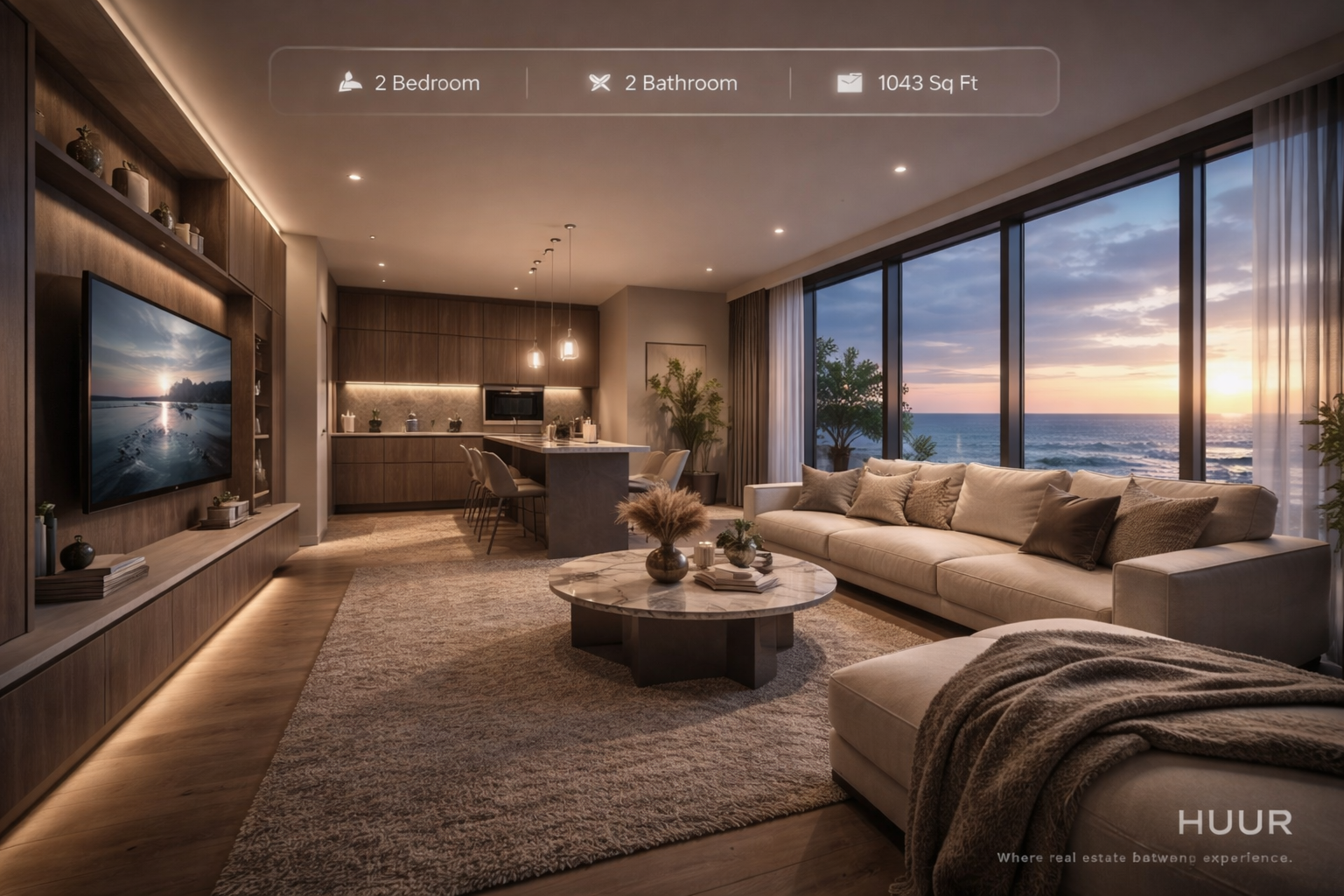
1. Faster Sales Cycles
One of the biggest benefits of real-time real estate visualization is speed. Buyers can fully understand a property without waiting for construction or multiple site visits. This reduces hesitation and shortens the time from first interaction to purchase.
2. Increased Buyer Confidence
For off-plan projects, uncertainty is the main barrier. virtual property visualization solves this by allowing buyers to explore accurate, detailed environments. They can see proportions, lighting, and layout clearly, which builds trust and reduces perceived risk.
3. Stronger Emotional Engagement
Through immersive real estate experiences, buyers don’t just see a property—they feel it. This emotional connection is a key driver in purchasing decisions, especially in high-value residential developments.
4. Real-Time Customization
Unlike static renders, interactive 3D property tours allow instant changes:
- Materials (flooring, finishes)
- Lighting conditions (day/night)
- Layout options
This flexibility helps buyers visualize their personal version of the space, increasing commitment.
5. Better Collaboration Across Teams
Developers, architects, and marketers can work within the same real-time environment. Changes can be reviewed instantly, reducing miscommunication and improving efficiency across the project lifecycle.
6. Global Reach and Remote Sales
In Canada, many buyers are international. real estate visualization technology enables remote clients to experience properties from anywhere, eliminating geographic limitations and expanding market reach.
7. Data-Driven Marketing Insights
When integrated with digital platforms, virtual real estate visualization provides analytics such as:
- User behavior inside the experience
- Most viewed units or areas
- Engagement duration
This data helps refine marketing strategies and optimize sales funnels.
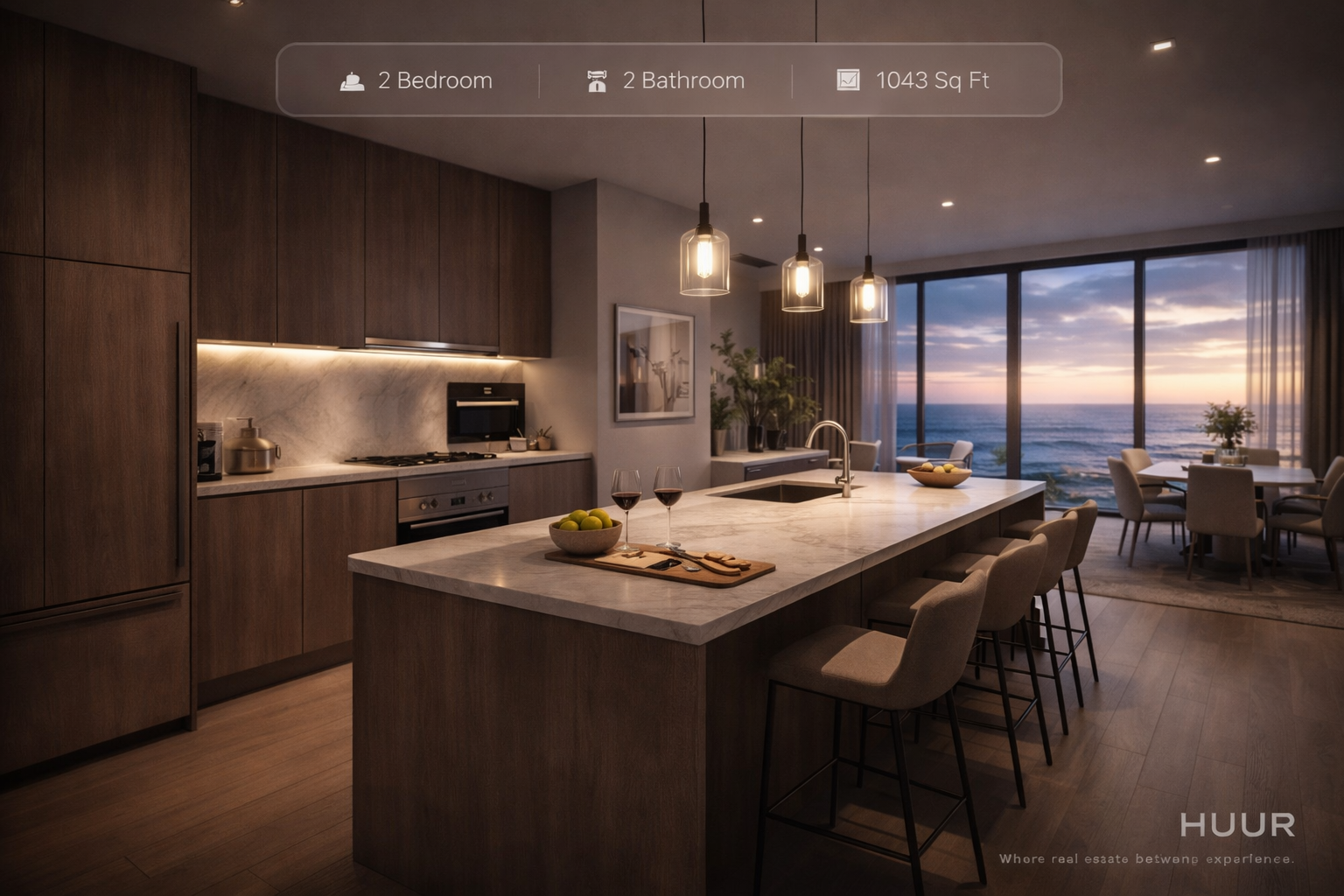
HUUR’s Approach to Virtual Real Estate Experiences
Virtual real estate visualization reaches its full potential when it is treated not just as a visual tool, but as a complete sales and communication system. This is the foundation of HUUR Studios approach—combining storytelling, real-time technology, and strategic thinking to create high-impact immersive real estate experiences.
Virtual real estate visualization reaches its full potential when it is treated not just as a visual tool, but as a complete sales and communication system. This is the foundation of HUUR Studios approach—combining storytelling, real-time technology, and strategic thinking to create high-impact immersive real estate experiences.
What makes HUUR’s approach distinct is its focus on experience-first design. Instead of starting with visuals, the process begins with understanding the buyer journey—how a user discovers, explores, and emotionally connects with a property. Every virtual property visualization is then crafted to guide that journey, from first impression to final decision. This transforms visualization into a conversion-driven tool rather than just a presentation layer.
Another key element is the integration of real-time real estate visualization into a scalable system. HUUR builds environments that are not fixed outputs but living platforms. Developers can update units, adjust layouts, or refine materials instantly without rebuilding the entire scene. This flexibility is critical in large-scale developments where changes are constant and speed matters.
HUUR also emphasizes cinematic real estate visualization as a strategic layer. Lighting, camera flow, and atmosphere are carefully designed to communicate lifestyle, not just architecture. This approach helps buyers imagine themselves in the space, creating a deeper emotional connection that static renders cannot achieve.
Beyond visuals, HUUR connects these experiences to digital ecosystems—web platforms, marketing campaigns, and CRM systems—turning interactive 3D property tours into measurable business assets. This allows developers to track engagement, understand buyer behavior, and optimize their sales strategy based on real data.
Ultimately, HUUR’s approach positions virtual real estate visualization as a bridge between design, marketing, and sales—where technology is not just used to show a project, but to actively drive its success.
1. From Visualization to Platform Thinking
Unlike traditional studios that focus only on rendering, HUUR develops platform-led environments. These are not just visuals—they are interactive systems where users can explore, engage, and make decisions. This approach transforms virtual property visualization into a central part of the sales funnel.
2. Real-Time First Strategy
At the core of HUUR’s workflow is real-time real estate visualization, powered by advanced tools such as Unreal Engine. This allows:
- Instant updates and design iterations
- Fully interactive navigation
- Seamless integration with marketing platforms
This real-time capability ensures that every project remains flexible, scalable, and aligned with evolving project needs.
3. Cinematic Storytelling Meets Architecture
HUUR integrates cinematic real estate visualization into every project. Instead of simply presenting a space, the experience is designed to communicate:
- Atmosphere and mood
- Lifestyle and daily use
- Emotional connection to the environment
This storytelling layer is especially effective in high-end markets like Vancouver, where buyers expect more than just technical accuracy.
4. Designed for Developers, Marketers, and Buyers
HUUR’s systems are built to serve multiple stakeholders:
- Developers: Clear communication of unbuilt projects
- Marketing teams: High-performance digital assets
- Buyers: Interactive and intuitive exploration
This alignment ensures that real estate visualization technology supports both sales and design objectives.
5. Competitive Advantage in the Canadian Market
In Canada’s fast-moving real estate landscape, especially in cities like Vancouver and Toronto, projects compete not only on location and price—but on how clearly they are presented. HUUR’s approach to interactive 3D property tours and immersive environments helps developers stand out, attract international buyers, and accelerate pre-sales.
Ultimately, HUUR positions virtual real estate visualization as a strategic asset—one that connects design, marketing, and technology into a unified experience that drives real results.
FAQs About Virtual Real Estate Visualization
What is virtual real estate visualization?
Virtual real estate visualization is the use of advanced 3D modeling and real-time real estate visualization technology to create fully digital property environments that users can explore before construction or without physical visits. These environments are built using real estate visualization technology and often include interactive 3D property tours, allowing buyers to understand layouts, materials, lighting, and spatial relationships with high accuracy. It is widely used in pre-construction sales to replace imagination with realistic, immersive experiences.
How is virtual visualization different from standard property tours?
Traditional property tours—such as 360° views—are static and limited, offering only fixed نقاط and predefined navigation. In contrast, virtual real estate visualization provides immersive real estate experiences where users can move freely, interact with the environment, and explore spaces dynamically. With real-time real estate visualization, users are not restricted to preset views and can experience properties as if they are physically present, making it far more engaging and informative than standard tours.
Does virtual real estate visualization help sell properties faster?
Yes. Virtual real estate visualization accelerates sales by reducing uncertainty and increasing buyer confidence. Through virtual property visualization and interactive 3D property tours, buyers gain a clear understanding of the property, which shortens decision-making time. Additionally, cinematic real estate visualization enhances emotional engagement, helping buyers connect with the space, which often leads to faster conversions and improved sales performance.
Can virtual real estate visualization be interactive and real-time?
Absolutely. Modern real estate visualization technology, powered by tools like Unreal Engine, enables fully interactive and real-time real estate visualization experiences. Users can walk through spaces, change materials, adjust lighting, and explore different layouts instantly. Unlike pre-rendered content, these environments respond immediately to user input, making immersive real estate experiences more flexible and engaging.
How long does it take to build a startup brand?
Building a startup brand typically takes between 3–12 months to establish a strong foundation, depending on strategy and execution. This includes defining positioning, creating a visual identity, and developing a digital presence. For companies working with virtual real estate visualization, branding can also involve integrating immersive real estate experiences into marketing, which can accelerate recognition and differentiation in competitive markets like Canada.
Conclusion: The Future of Virtual Real Estate Visualization in Canada
Virtual real estate visualization is no longer an emerging trend—it is becoming the standard for how properties are marketed, experienced, and sold in modern real estate markets. As technology advances and buyer expectations evolve, static images and traditional presentations are quickly losing relevance.
In Canada, particularly in cities like Vancouver and Toronto, the demand for immersive real estate experiences continues to grow. Developers are competing not only on location and design, but on how effectively they communicate their vision before construction is complete. This is where real-time real estate visualization plays a critical role—bridging the gap between concept and reality.
The integration of real estate visualization technology into marketing strategies allows developers to reach global audiences, support remote buyers, and provide clarity that was previously impossible. With interactive 3D property tours, buyers gain confidence, engage more deeply, and make faster decisions. At the same time, tools like Unreal Engine continue to push the boundaries of what is possible, enabling more realistic and responsive environments.
Looking ahead, cinematic real estate visualization and interactive platforms will become essential components of every successful project launch. Companies that adopt these tools early will gain a strong competitive advantage, while those relying on outdated methods risk falling behind.
Ultimately, the shift is clear: real estate is moving from presentation to experience. And at the center of this transformation is virtual real estate visualization.