

Introduction
Spatial presence has become one of the defining factors behind successful immersive architecture and interactive visualization. As architects, developers, and real estate professionals increasingly adopt Virtual Reality, Mixed Reality, and Spatial Computing, expectations have evolved beyond photorealistic images. Today’s audiences want to experience a space naturally, move through it freely, and develop an emotional connection before construction even begins. Whether exploring a luxury residence in Vancouver, BC, reviewing a commercial development elsewhere in North America, or presenting an architectural proposal to investors, the ability to create genuine presence often determines how memorable and convincing the experience becomes.
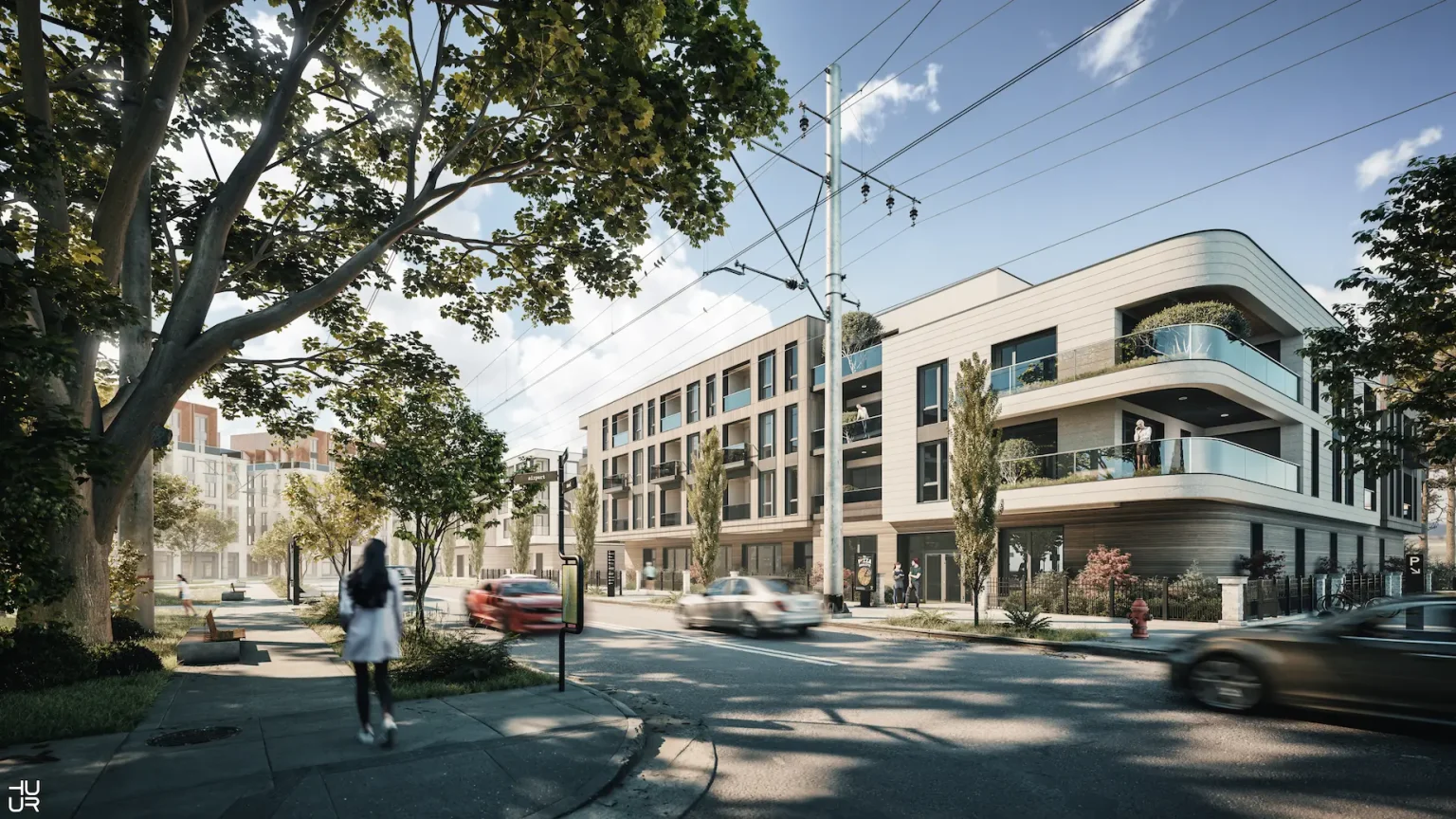
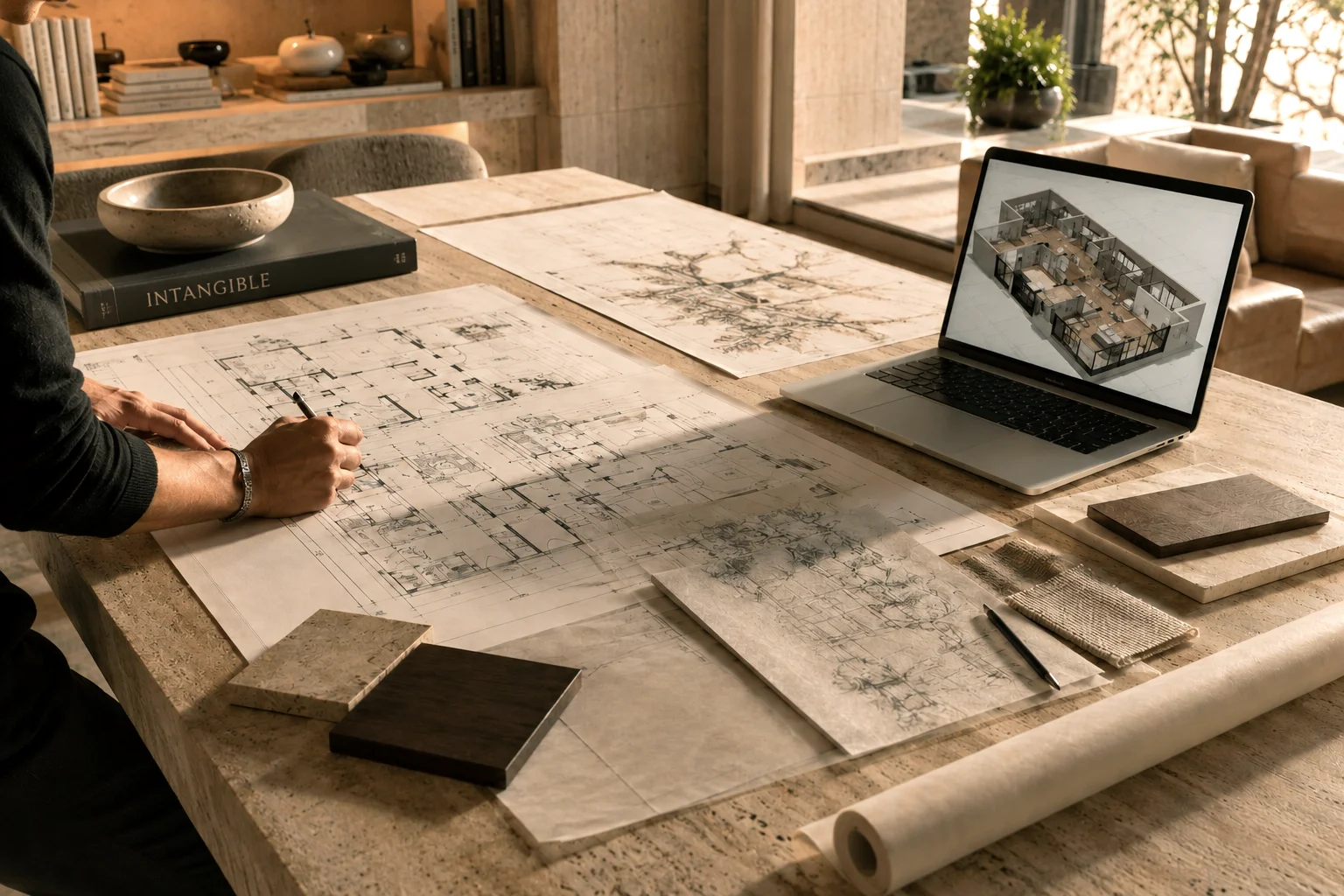
Traditional architectural renderings communicate appearance, but they rarely communicate experience. A beautiful still image may showcase materials, lighting, or composition, yet it cannot replicate the sensation of walking through a lobby, turning toward a panoramic window, or understanding how spaces relate to one another. Modern virtual environments address this limitation by combining real-time rendering, spatial interaction, immersive design, and natural movement. Technologies such as Unreal Engine, Apple Vision Pro, and Meta Quest enable users to engage with digital environments in ways that closely resemble physical exploration, creating stronger confidence and deeper emotional engagement throughout the design process.
Creating convincing immersion requires far more than advanced software. Successful immersive architecture carefully balances scale, lighting, acoustics, interaction, performance optimization, navigation, and human perception. Every design decision influences whether visitors simply observe a project or genuinely feel present within it. For architecture firms, developers, and visualization studios throughout Vancouver, BC and across North America, spatial presence has become an essential design objective that shapes how future buildings are experienced, evaluated, and remembered.
What Creates Spatial Presence Inside Virtual Environments?
The Science Behind Feeling Present
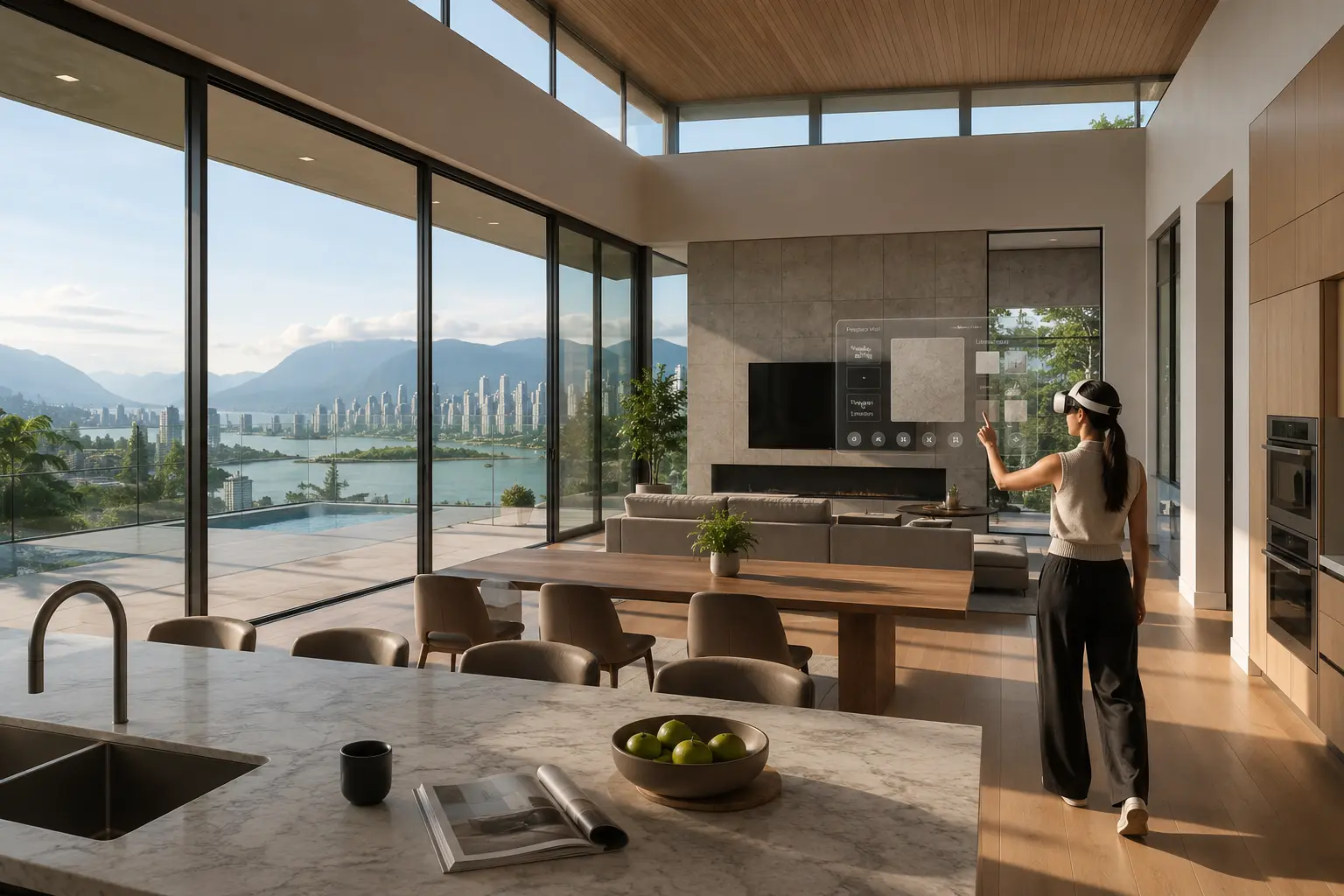
The difference between viewing a digital model and genuinely experiencing it begins with how the human brain interprets space. Spatial presence emerges when our senses accept a virtual environment as a place rather than an image. Instead of consciously observing a screen, users instinctively judge distances, anticipate movement, recognize spatial relationships, and respond emotionally to their surroundings. This psychological response is the foundation of every successful immersive experience, influencing how confidently people evaluate architecture before it exists. Across Vancouver, BC and throughout North America, firms are increasingly investing in virtual environments that replicate real-world perception because emotional understanding often drives stronger decision-making than visual realism alone.
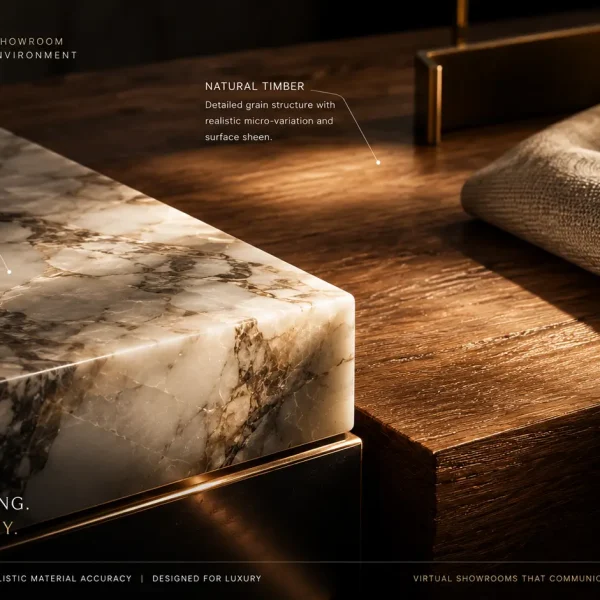
While visual fidelity remains important, realism by itself does not create immersion. A beautifully rendered room can still feel artificial if movement is restricted, lighting behaves unnaturally, or objects fail to respond as expected. Human perception continuously evaluates subtle environmental cues, including perspective, eye height, motion parallax, shadows, reflections, spatial audio, and natural interaction. When these elements work together, immersive architecture begins to feel believable. When even one of them is inconsistent, the illusion weakens and users immediately recognize the experience as a computer-generated simulation rather than a convincing architectural space.
Real-Time Rendering Brings Architecture to Life
Modern real-time engines such as Unreal Engine have fundamentally changed how architects and visualization specialists build immersive experiences. Instead of pre-rendered animations that follow a fixed camera path, real-time rendering allows every visitor to control their own journey. They can pause to examine material textures, walk toward a window to study natural daylight, compare room proportions, or explore circulation patterns at their own pace. This freedom creates authentic spatial interaction, allowing each individual to engage with architecture according to their own curiosity rather than following a predetermined presentation.
Designing for Human Perception Instead of Technology
Many virtual experiences prioritize technical demonstrations over human experience. Yet visitors rarely remember polygon counts, rendering settings, or hardware specifications. They remember how a space made them feel. Effective immersive design therefore begins with understanding human perception before selecting software or devices. Scale must feel intuitive, navigation should require almost no explanation, lighting should reinforce mood, and interactions should occur naturally without distracting interface elements. The technology becomes invisible, allowing architecture itself to become the focus.
For professional visualization studios, every design decision contributes to this invisible layer of realism. Carefully balanced proportions, realistic walking speeds, accurate material behavior, environmental soundscapes, and intuitive movement collectively transform digital environments into memorable architectural experiences. This human-centered philosophy explains why leading firms across Vancouver, BC and North America increasingly evaluate projects not only by visual quality but also by the level of presence they create. Ultimately, spatial presence is not achieved through a single technology—it emerges from dozens of carefully orchestrated design decisions working together to convince the mind that the virtual space is real.
The Difference Between Seeing a Space and Feeling a Space
Why Traditional Visualizations Often Fall Short
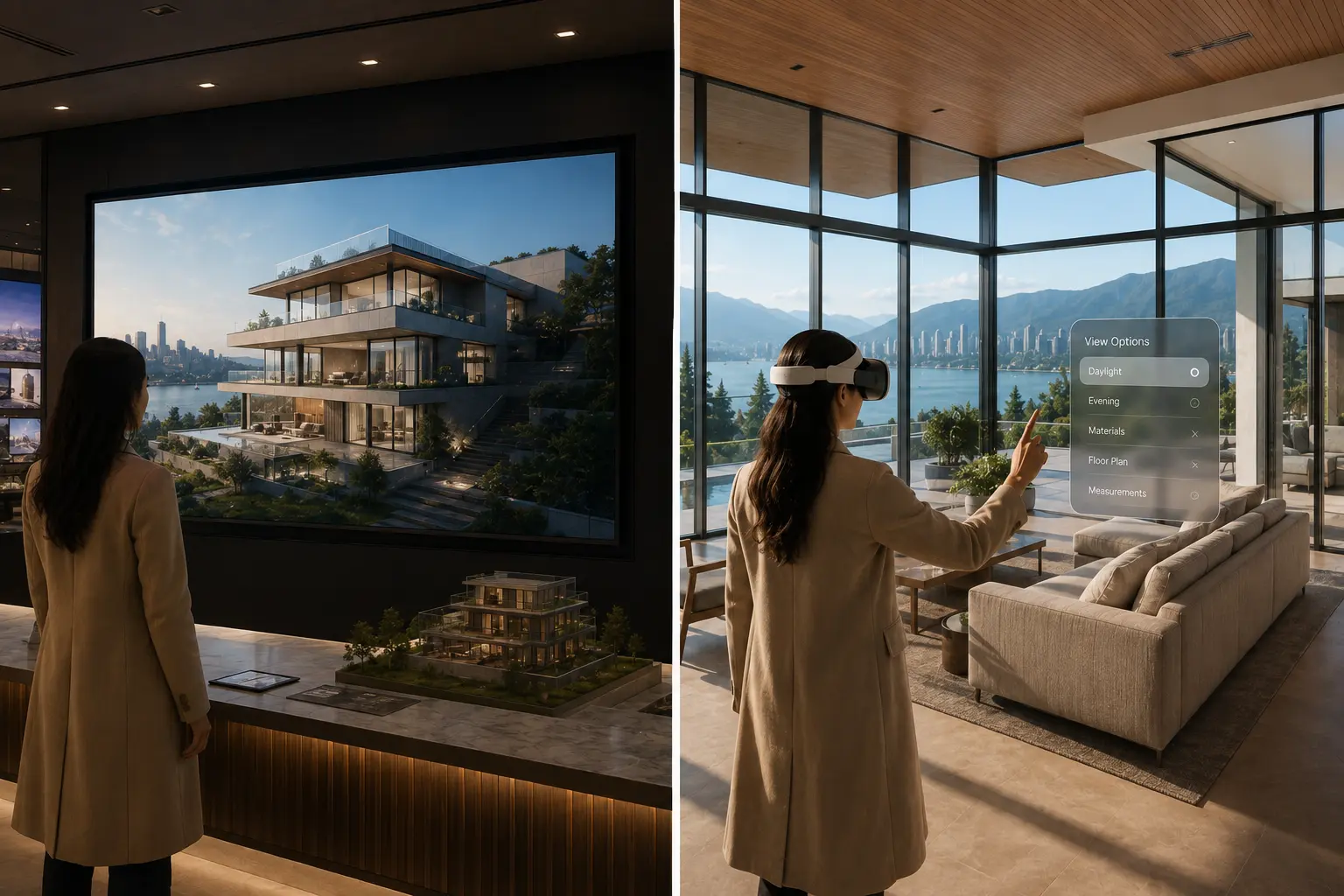
Architectural visualization has advanced dramatically over the past decade, producing images that are nearly indistinguishable from professional photography. Yet despite this visual quality, many presentations still struggle to communicate what it actually feels like to occupy a space. A static rendering captures a carefully selected viewpoint, while even a cinematic animation guides viewers along a predetermined path. Neither allows individuals to naturally explore, pause, change direction, or understand the subtle relationships between rooms. Spatial presence bridges this gap by transforming passive observation into active participation, enabling users to experience architecture through movement, exploration, and personal discovery rather than simply viewing polished images.
This distinction is especially important in residential and commercial developments where purchasing decisions depend on confidence and emotional connection. Buyers, investors, and stakeholders rarely judge a project solely by finishes or furniture. They want to understand how daylight changes throughout the day, how circulation flows between living areas, how ceiling heights influence openness, and how views unfold while moving through the building. These experiences cannot be fully communicated through conventional media alone. Purposefully designed virtual walkthroughs and immersive architecture provide a far richer understanding of space, helping visitors evaluate projects with greater certainty before construction begins.
Human Movement Creates Emotional Connection
People naturally understand architecture by moving through it. As we walk, our brains continuously interpret changing perspectives, distances, proportions, and spatial relationships. A hallway that appears narrow in a still image may feel surprisingly comfortable when experienced in motion. Likewise, a dramatic double-height living room often reveals its true impact only when visitors physically approach it and look upward. These continuous sensory updates strengthen spatial interaction, allowing users to develop an intuitive understanding of scale that cannot be replicated through static visual media.
This natural exploration also creates a deeper emotional response. Rather than memorizing isolated images, visitors begin forming mental maps of the environment, remembering how spaces connect and how each area made them feel. This emotional engagement explains why immersive experiences are often remembered long after traditional presentations have been forgotten. Whether exploring luxury residences in Vancouver, BC or large commercial developments across North America, projects that successfully create presence often leave stronger impressions because they communicate experience instead of appearance.
Presence Builds Trust Before Construction Begins
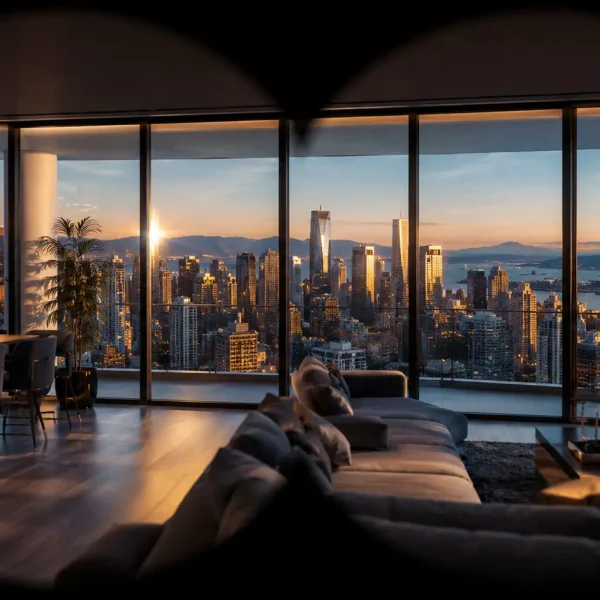
One of the greatest advantages of immersive visualization is its ability to reduce uncertainty. Purchasing or approving a building that has not yet been constructed requires confidence in something that exists only as a digital representation. The more accurately that representation reflects real human perception, the easier it becomes for stakeholders to evaluate design decisions with clarity. Carefully crafted digital environments allow users to test viewpoints, compare layouts, experience realistic lighting conditions, and understand proportions as if they were standing inside the completed building.
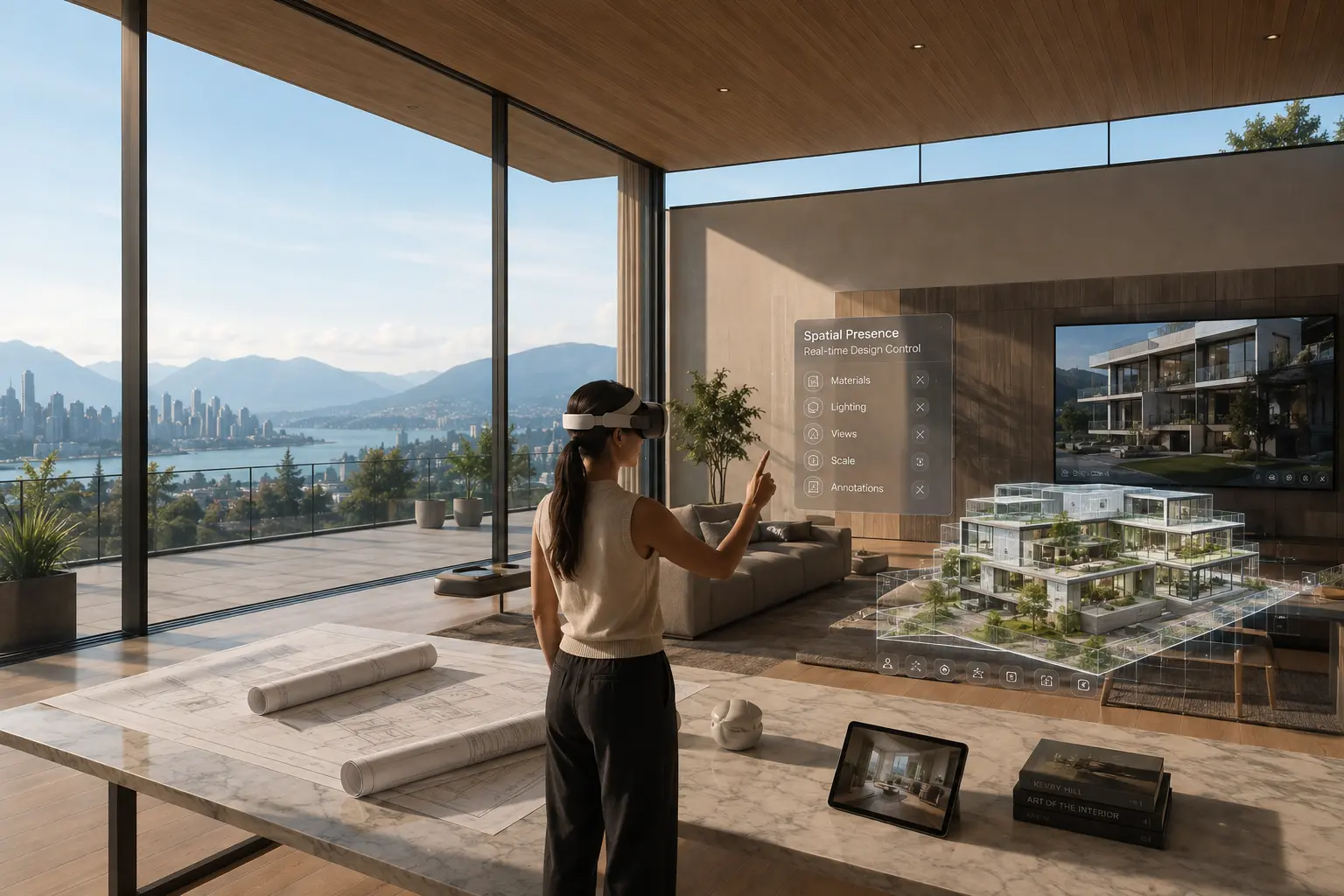
This capability is becoming increasingly valuable as technologies such as Virtual Reality, Mixed Reality, Apple Vision Pro, Meta Quest, and Spatial Computing continue reshaping architectural communication. Rather than asking clients to imagine how a space might feel, designers can now allow them to experience it directly. When movement, interaction, realistic scale, and environmental realism work together, spatial presence becomes more than an impressive technological feature—it becomes a practical design tool that improves understanding, strengthens decision-making, and creates memorable architectural experiences that extend far beyond visual presentation.
How Real-Time Interaction Changes Human Perception
Architecture Becomes More Meaningful Through Interaction
The human brain is naturally wired to learn through exploration rather than observation. We understand environments by walking through them, changing our viewpoints, reaching toward objects, and reacting to immediate feedback. This is why spatial presence becomes significantly stronger when users actively interact with an environment instead of passively watching a presentation. Every movement reinforces the brain’s understanding of scale, distance, orientation, and proportion, transforming a digital model into an experience that feels tangible and believable.
Unlike traditional visualizations that present a single narrative, interactive experiences allow every visitor to create their own journey. One person may spend several minutes studying natural daylight in a living room, while another focuses on circulation, furniture layouts, or views from a balcony. This freedom creates a stronger sense of ownership over the experience because exploration happens according to individual curiosity rather than a predetermined camera path. As a result, virtual environments become far more memorable, allowing architecture to communicate its full potential before construction even begins.
Real-Time Decisions Strengthen Spatial Understanding
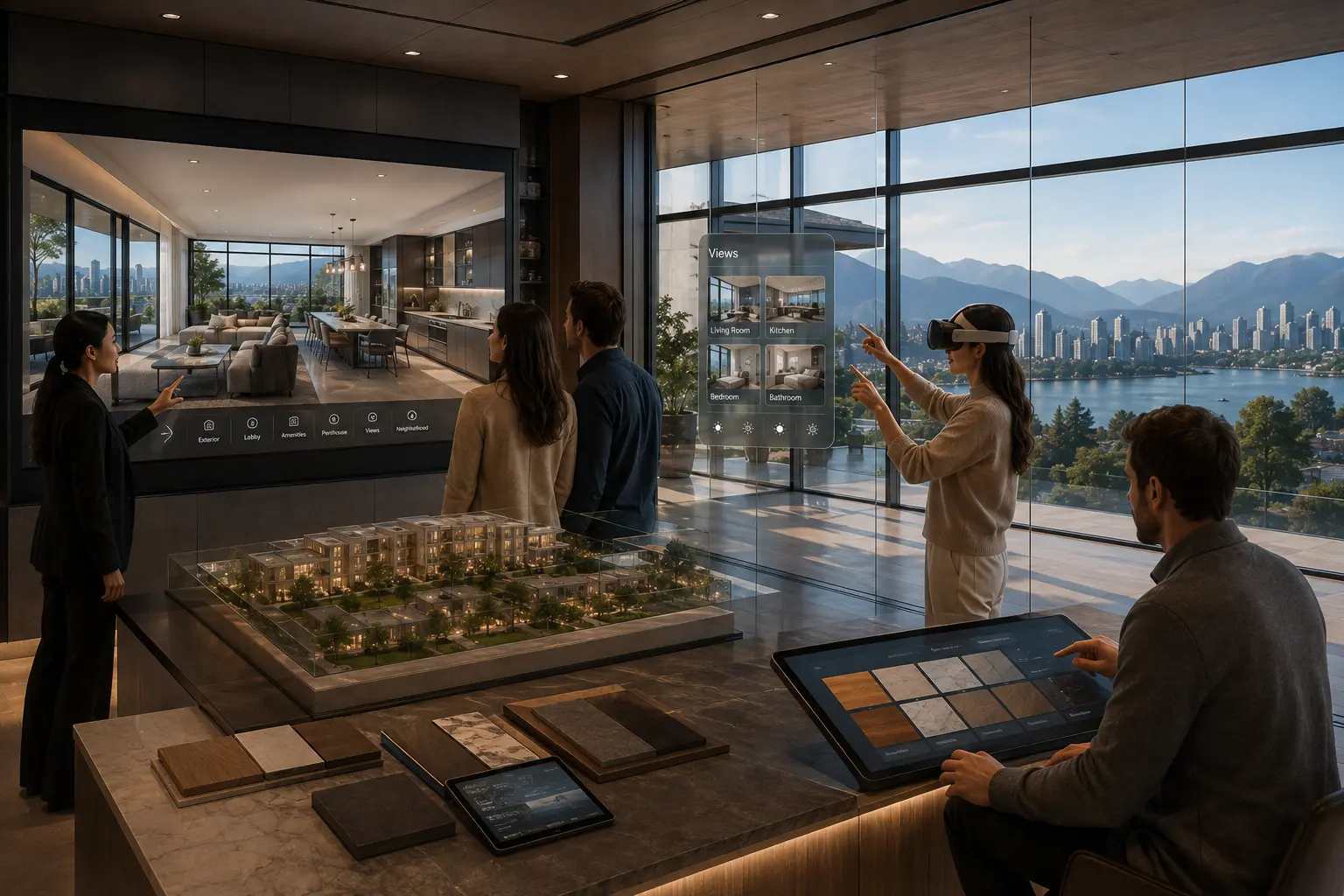
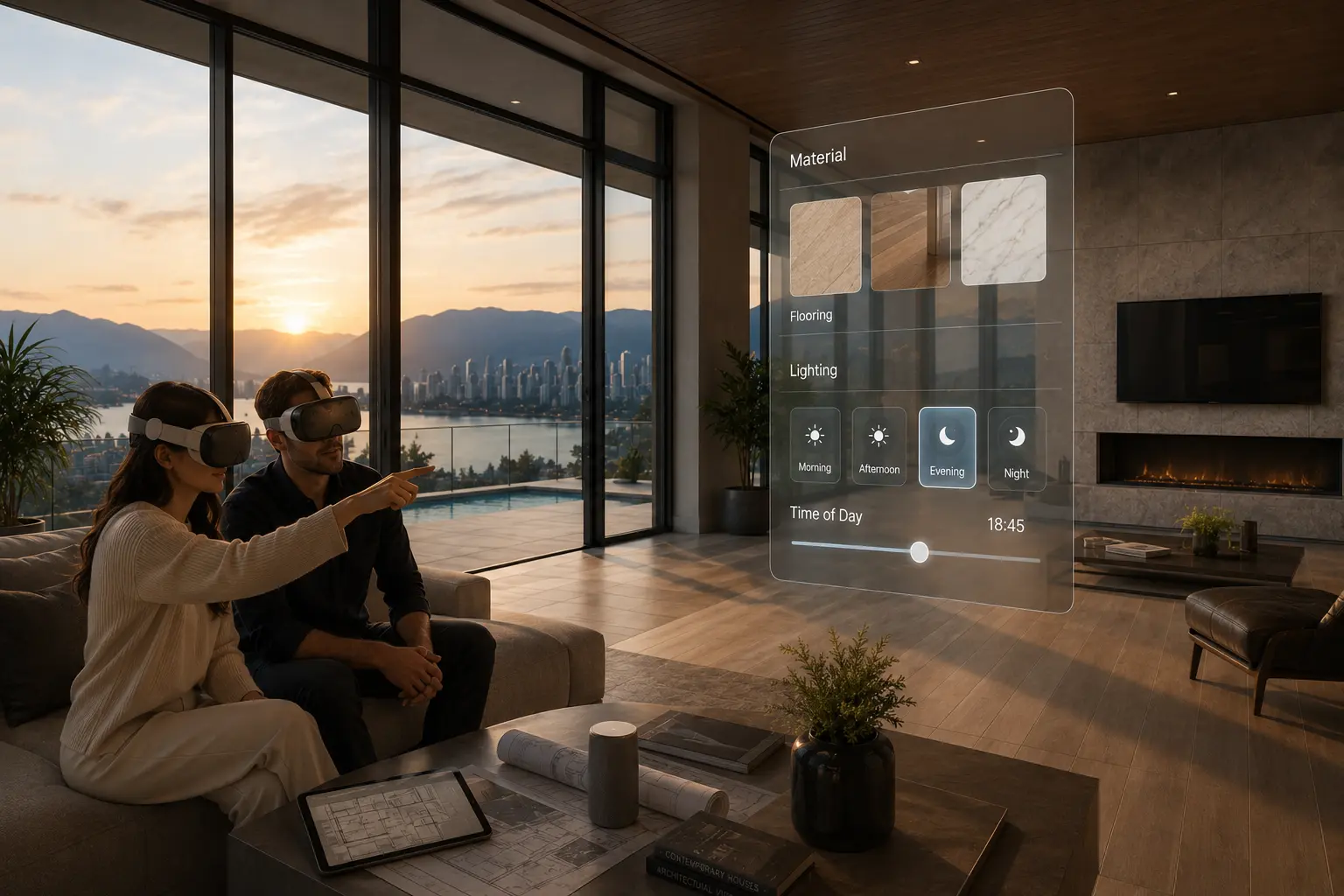
One of the greatest advantages of real-time technology is the ability to instantly respond to user decisions. Instead of imagining how a different material, lighting condition, or furniture arrangement might affect a space, visitors can experience those changes immediately. Switching between daytime and evening illumination, comparing flooring materials, adjusting wall finishes, or exploring different design options provides immediate visual feedback while preserving the continuity of the experience. Because every change occurs naturally within the same environment, users maintain a strong sense of spatial interaction without breaking immersion.
According to Epic Games’ Unreal Engine, real-time rendering enables interactive virtual experiences where users can explore and engage with digital spaces dynamically, making it a foundational technology for creating convincing spatial presence in architecture.
This capability is particularly valuable during architectural reviews and client presentations. Rather than relying on multiple renderings or lengthy explanations, architects and developers can answer questions in real time while clients continue exploring the space. A simple adjustment to a façade material or interior palette can instantly demonstrate how design decisions influence atmosphere, openness, and visual balance. This interactive workflow reduces uncertainty and encourages meaningful conversations because participants experience each option directly instead of interpreting static images. Across Vancouver, BC and throughout North America, real-time collaboration is becoming an increasingly important part of immersive design, helping teams make faster and more confident design decisions.
Emerging Technologies Are Redefining Architectural Experiences
Advances in Spatial Computing, Virtual Reality, and Mixed Reality continue expanding what real-time interaction can achieve. Devices such as Apple Vision Pro and Meta Quest allow users to naturally walk, gesture, and observe architecture with intuitive controls that closely resemble everyday movement. Instead of learning complicated interfaces, visitors simply interact with spaces as they would in the physical world. This intuitive behavior reduces cognitive effort and allows attention to remain focused on the architecture itself rather than the technology enabling it.
Powerful platforms such as Unreal Engine make these experiences possible by delivering photorealistic graphics alongside responsive interaction and high-performance rendering. Together, these technologies create digital environments that feel increasingly authentic, allowing designers to communicate atmosphere, scale, functionality, and emotion with remarkable clarity. As hardware and software continue to evolve, spatial presence will become an essential benchmark for architectural visualization rather than an advanced feature. The future of immersive architecture will be defined not by how realistic images appear, but by how naturally people can interact with, understand, and remember the spaces they experience.