Introduction
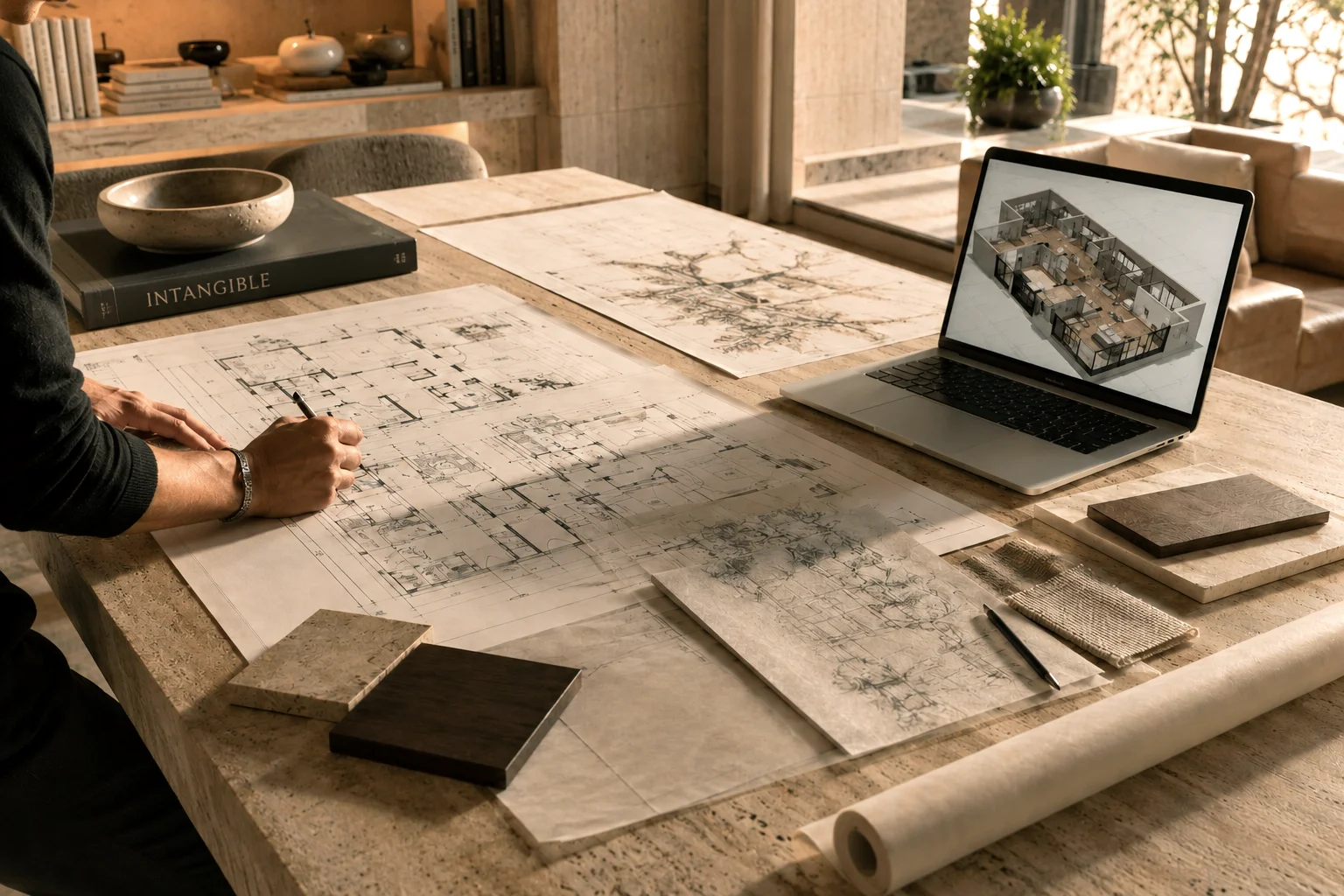
Immersive technology in architecture is fundamentally changing how developers, architects, and investors understand and communicate the built environment — — and Immersive technology in architecture is replacing the static drawings, physical scale models, and conventional render sequences that have governed design communication for decades with real-time, interactive, and spatially accurate digital environments that allow every stakeholder to experience a proposed building long before a single foundation is poured. For Vancouver’s most ambitious property developments, this shift is not simply a marketing upgrade — it is a fundamental change in how design decisions are made, how risk is evaluated, and how buyer conviction is built before the presale window opens.
The technologies driving this transformation — Unreal Engine real-time rendering, Building Information Modeling, Digital Twin data architecture, AI-enhanced design tools, Virtual Reality headsets, and Mixed Reality overlay systems — are no longer experimental platforms accessible only to the largest global development firms. They are commercially deployable capabilities that Vancouver architects, developers, and visualization studios can apply to projects across the full range of residential, commercial, and mixed-use development at price points that deliver clear, measurable return on the visualization and communication investment they represent.
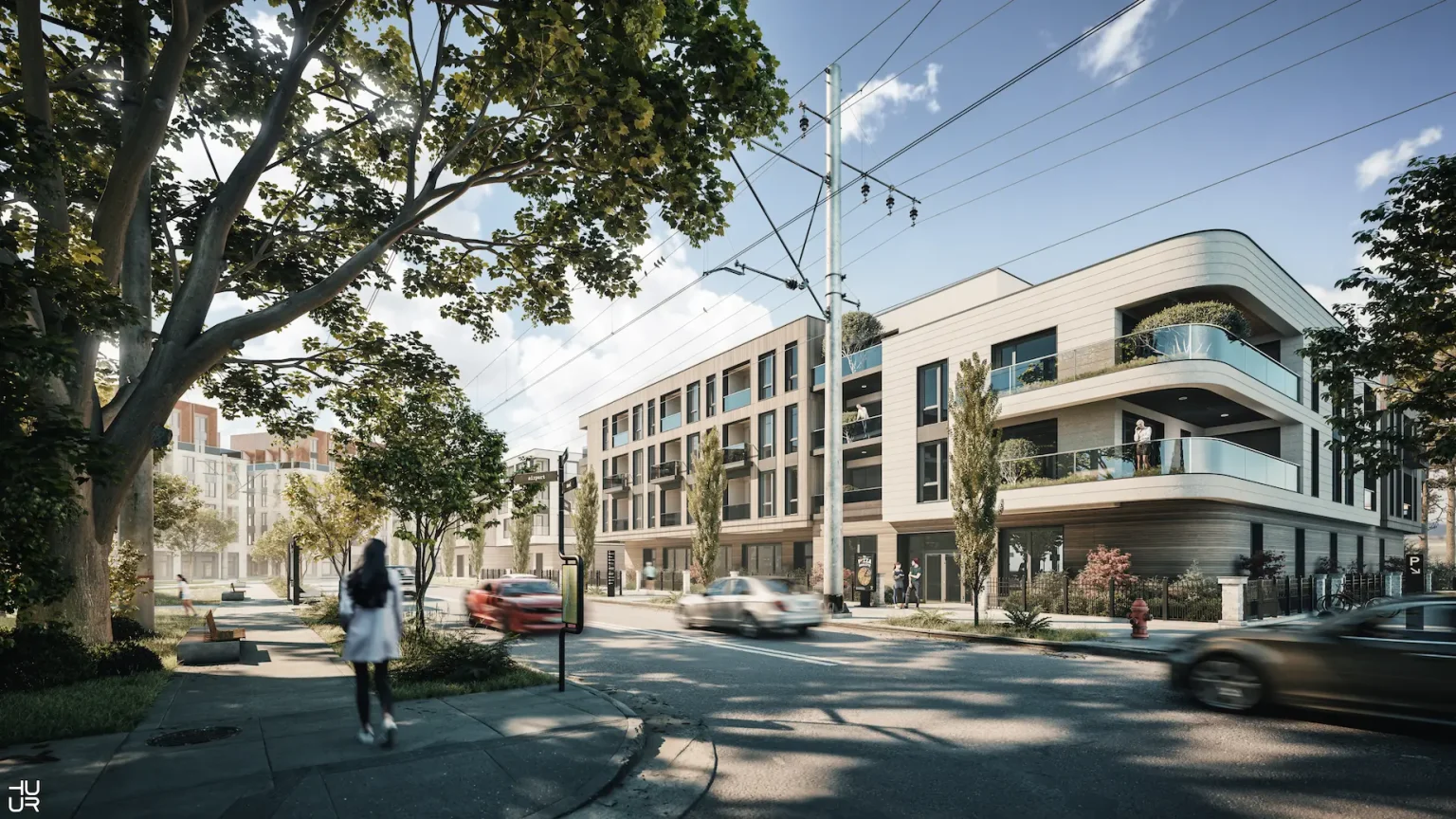
HUUR Studios has built its digital architecture and Immersive technology in architecture practice to the highest technical and creative standard available to the Vancouver and North American market — combining the spatial accuracy that architectural practice demands with the cinematic production quality and interactive capability that modern buyers and stakeholders expect. This article examines the specific ways Immersive technology in architecture is reshaping property development — and the techniques and tools that are delivering the most significant commercial value for developers and architectural practices across British Columbia today.
The Shift From Static Planning to Interactive Design
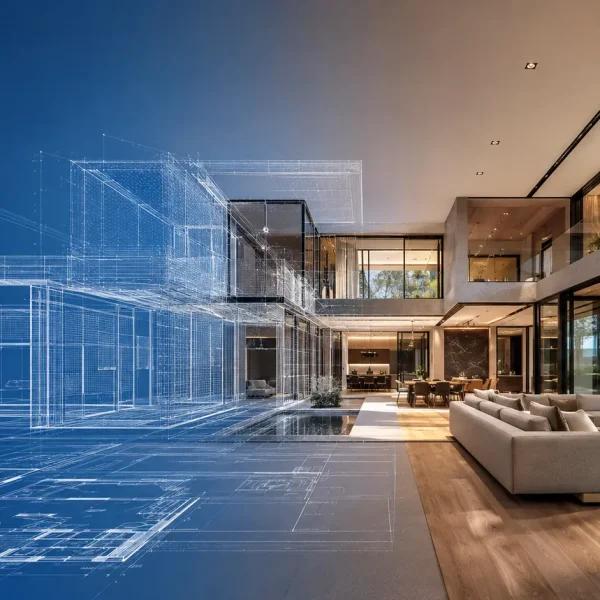
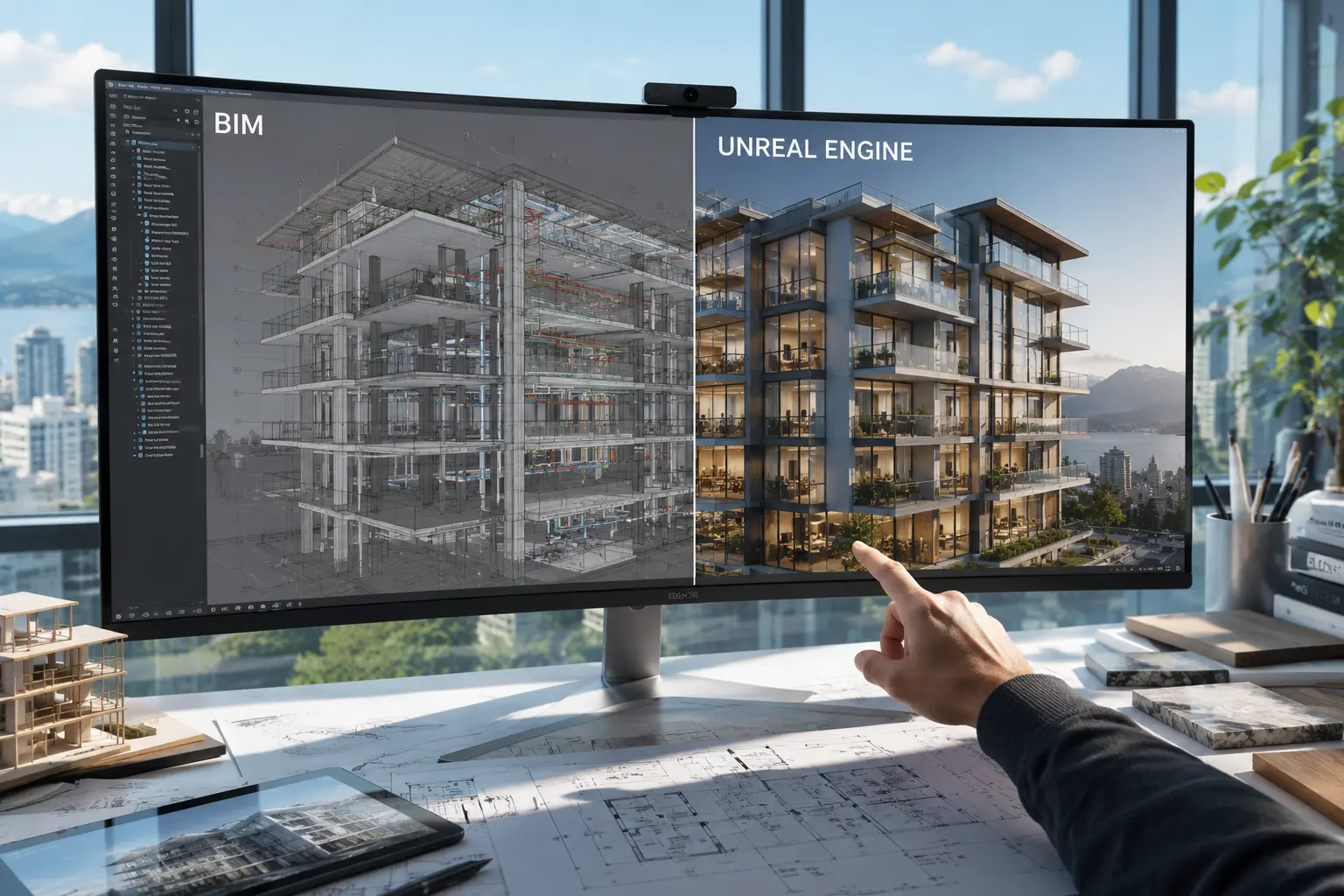
BIM — Building Information Modeling — provided the foundational shift from geometric drawings to data-rich design models that carry structural, systems, and specification information alongside spatial geometry. Immersive technology in architecture builds on this BIM foundation by adding the real-time visualization layer that makes BIM data accessible to non-technical stakeholders — transforming the structured data of a building model into an explorable visual environment that clients, investors, and planning authorities can navigate and understand without architectural training.
Immersive technology in architecture : Real-Time Visualization as a Design Tool
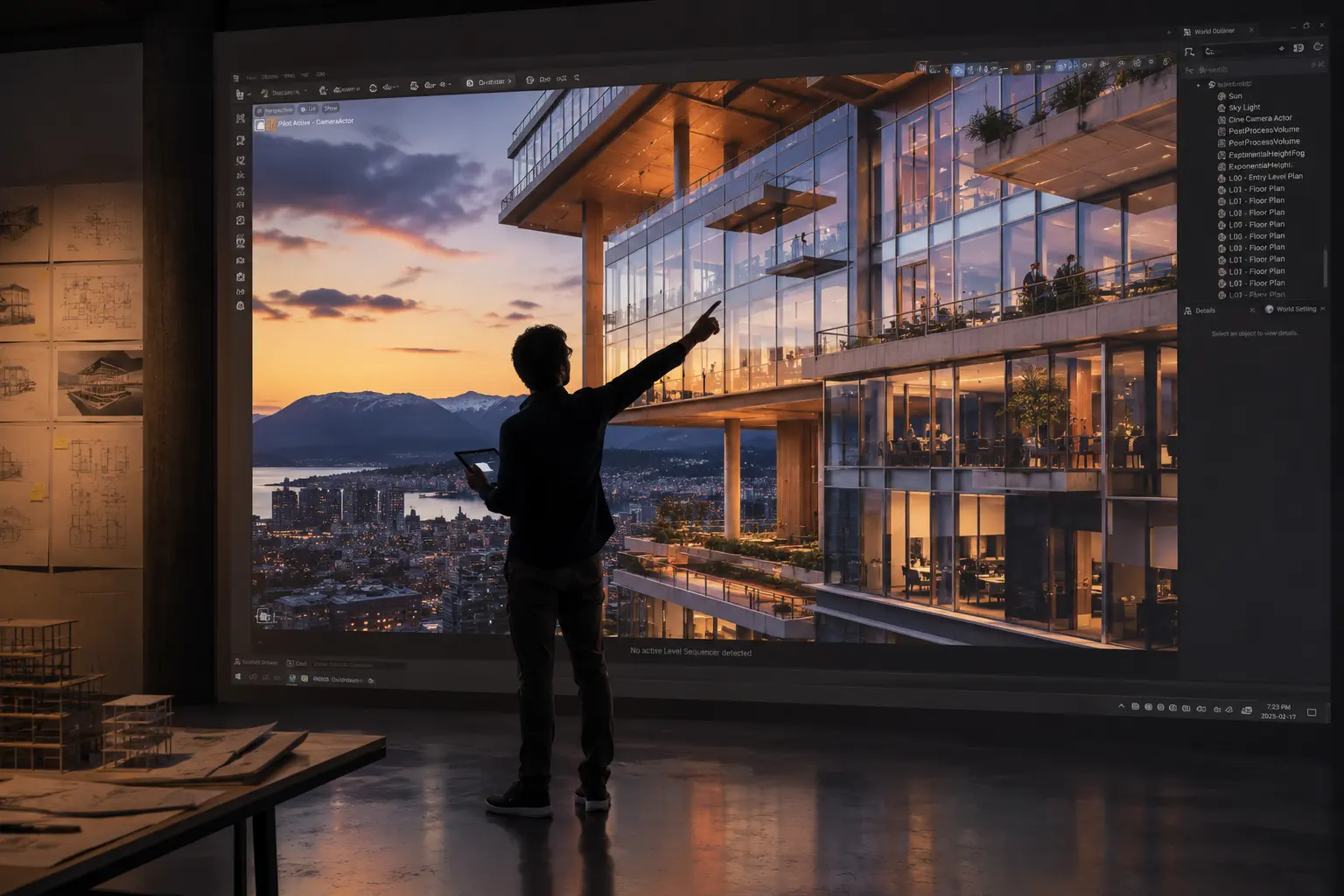
Real-time visualization through platforms like Unreal Engine has made the most significant single contribution to interactive architecture practice by eliminating the separation between design decision and visual result that offline rendering imposed. In a conventional design workflow, a designer commits to a configuration, submits it for rendering, waits hours or days for the result, reviews it, identifies necessary changes, and repeats the cycle — a process that limits the number of genuine creative explorations possible within any project’s timeline and budget. Real-time visualization collapses this cycle entirely, allowing design iterations to be evaluated visually within the same working session they are conceived.
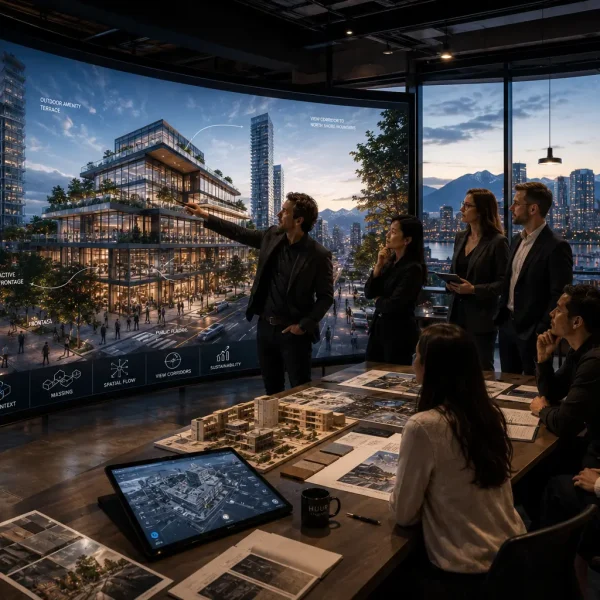
For Vancouver architectural firms competing for landmark commercial and residential commissions, this real-time design capability translates directly into stronger client presentations — the ability to respond to client feedback during a meeting by adjusting design parameters and showing the result immediately, rather than committing to a revision cycle that returns results days later when the energy of the original meeting has dissipated. HUUR Studios’ Immersive technology in architecture capability makes this real-time design responsiveness available to every architectural client it serves.
From BIM to Immersive Experience
The evolution from BIM models and digital architecture tools to fully immersive architectural technology environments has created a new category of design communication tool that serves multiple audiences simultaneously. The same digital model that an engineering team uses for structural coordination can serve as the foundation for the buyer-facing interactive walkthrough displayed in a presale suite, the investor presentation shown at a capital raise, and the virtual construction simulation used to coordinate construction sequencing before site mobilization begins. This multi-purpose utility is what distinguishes a genuine Immersive technology in architecture platform from a collection of separately produced visualization assets that serve each purpose in isolation.
HUUR Studios designs every immersive environment it delivers with this multi-purpose architecture in mind — ensuring that the foundational digital model serves design teams, sales teams, marketing teams, and investor relations functions from a single coherent digital asset rather than requiring separate production for each stakeholder audience. This approach delivers meaningful production efficiency while ensuring visual and spatial consistency across every communication context in which the development appears.
How Developers Reduce Risk Before Construction
Risk reduction is among the most compelling commercial arguments for investing in Immersive technology in architecture — and it operates across multiple risk categories simultaneously. Design risk, coordination risk, market risk, and approval risk are all meaningfully reduced when a development exists as a high-fidelity digital environment before physical construction begins. The errors, miscoordination issues, and stakeholder misunderstandings that surface during construction — at their most expensive and most disruptive — can be identified and resolved in the digital environment at a fraction of the cost they would generate if discovered in the field.
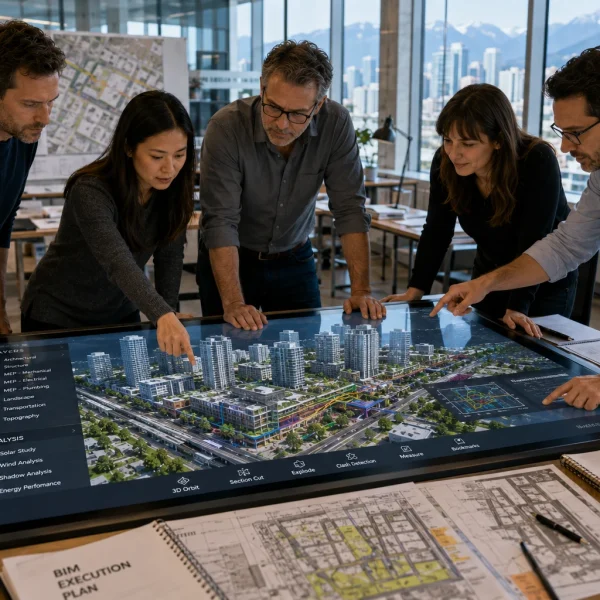
Digital Twin architecture represents the most comprehensive risk reduction application of immersive technology in property development — creating a data-connected digital replica of a proposed building that allows structural engineers, mechanical designers, and construction managers to test, simulate, and validate every design decision against real physical and regulatory constraints before a single element of the physical building is committed to. A Digital Twin built with proper data architecture from the outset of design development serves as the central coordination environment for every discipline working on the project — eliminating the conflicts and omissions that arise when teams work from separate, non-integrated design documentation.
Explore More From HUUR
3D Real Estate Walkthrough Software: Stop Losing Buyers With Outdated Listings
Virtual Construction and Sequencing Simulation
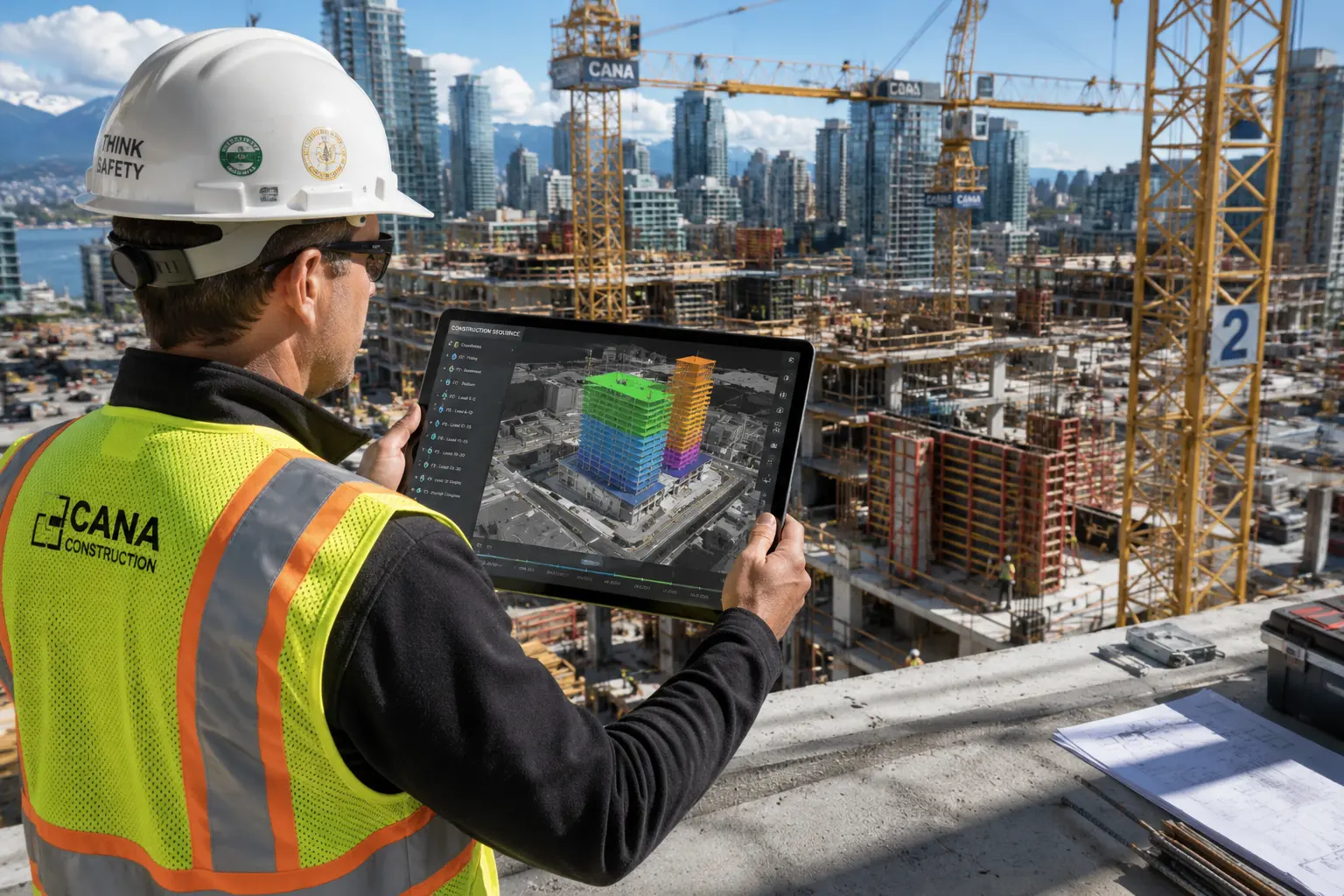
Virtual construction simulation — the use of Immersive technology in architecture to model and visualize the construction sequence before site work begins — delivers specific risk reduction value for complex developments where construction logistics, phasing, and temporary works design require careful coordination that conventional scheduling tools cannot fully represent. Visualizing construction sequences in a photorealistic three-dimensional environment allows construction teams to identify clashes, access conflicts, and sequencing dependencies that are invisible in traditional Gantt chart and CPM schedule representations.
For Vancouver developments in dense urban sites where construction logistics carry particular complexity — limited crane positions, restricted delivery windows, phased occupancy requirements while adjacent work continues — virtual construction simulation enables the kind of detailed coordination that prevents the costly site delays and rework that arise when sequencing conflicts are discovered during construction rather than during the digital planning phase that precedes it.
AI-Enhanced Design Validation
AI integration within Immersive technology in architecture platforms is delivering a new category of design risk reduction that was not previously available through any conventional planning tool. AI systems that analyze proposed design configurations against regulatory requirements, energy performance standards, structural efficiency parameters, and accessibility compliance can identify non-conforming conditions automatically — allowing design teams to address compliance issues during schematic design rather than during permit review, where the cost of revision is substantially higher and the schedule impact is far more damaging to the development timeline.
According to research from Deloitte’s digital twin analysis for the built environment, organizations deploying Immersive technology in architecture with integrated Digital Twin data capability consistently report meaningful reductions in design error rates, construction rework costs, and project delivery schedule overruns — reinforcing the commercial case for digital design infrastructure investment as a risk management strategy rather than simply a visualization enhancement.
The Role of Real-Time Collaboration
Immersive technology in architecture enables real-time collaboration that Immersive technology in architecture makes uniquely possible that conventional design tools fundamentally cannot support — the ability for multiple disciplines, geographically distributed team members, and non-technical stakeholders to occupy the same digital environment simultaneously, navigate it from their individual perspectives, and make and evaluate design decisions together in real time rather than through the sequential, asynchronous processes that have historically governed multi-disciplinary design coordination.
For Vancouver architectural practices working with development clients, engineering consultants, and planning authorities across British Columbia and beyond, this real-time collaboration capability reduces the communication delays and interpretation inconsistencies that occur when geographically distributed teams work from separate document sets rather than a shared digital environment. A design review meeting conducted within a shared immersive architectural technology environment produces fundamentally different quality of feedback than one conducted from printed or PDF plan sets, because every participant experiences the same spatial reality simultaneously rather than constructing their own mental model from abstracted two-dimensional representations.
Mixed Reality for On-Site Design Review
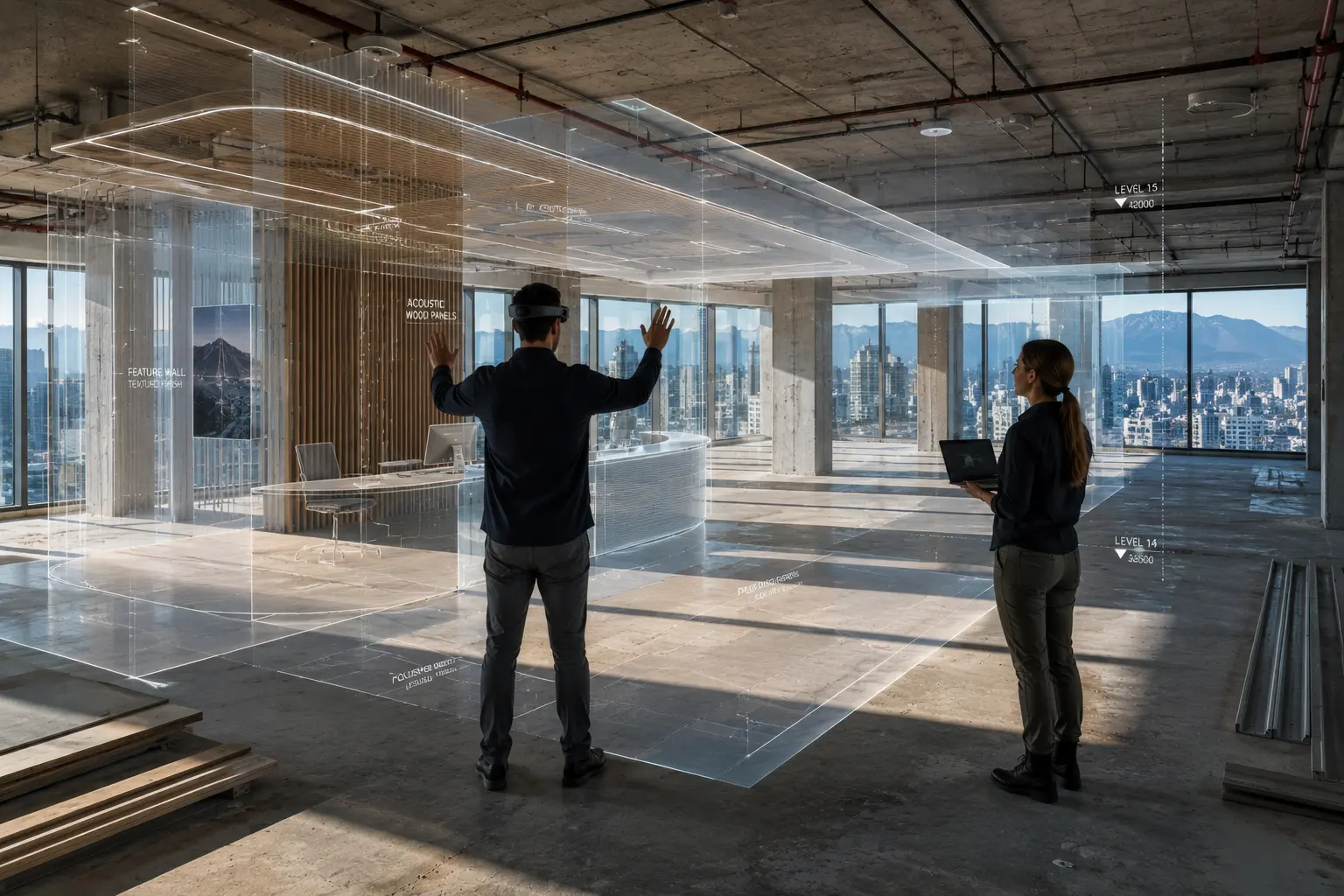
Mixed Reality overlay technology — which superimposes digital architectural models onto physical environments through headset or device-based AR systems — extends Immersive technology in architecture capability from studio environments onto construction sites, allowing design teams to review proposed elements in the context of the actual physical site conditions where they will eventually be built. A Mixed Reality walkthrough of a proposed lobby design conducted on the actual site floor slab reveals spatial relationships and proportional qualities that neither desktop visualization nor headset-based virtual reality can fully communicate, because the site’s actual spatial context and natural light conditions are present alongside the digital architectural overlay.
HUUR Studios develops interactive architecture and Mixed Reality review capability for Vancouver clients whose project complexity and stakeholder expectations justify on-site immersive design review — typically landmark commercial, institutional, and high-profile residential developments where the relationship between proposed design and physical site context is a central design and approval consideration. This capability is an extension of HUUR Studios’ broader Immersive technology in architecture practice, applied specifically to the on-site design review and client approval contexts where physical presence in the building location is both possible and commercially valuable.
How Buyers Benefit From Immersive Technologies
The buyer-facing applications of Immersive technology in architecture deliver commercial value that makes Immersive technology in architecture that is immediately measurable in presale campaign metrics — inquiry conversion rates, average time-in-experience, qualified lead generation rates, and ultimately presale velocity and average offer values that consistently differentiate developments offering genuine immersive buyer experiences from those relying on static marketing materials. Buyers who can explore a proposed development through an interactive architectural technology environment before purchasing arrive at the decision conversation with a fundamentally different level of spatial conviction than buyers who have only reviewed static renders and floor plans.
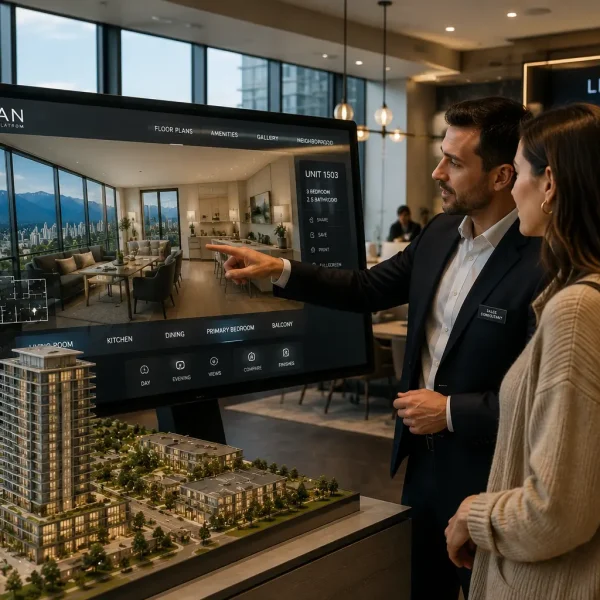
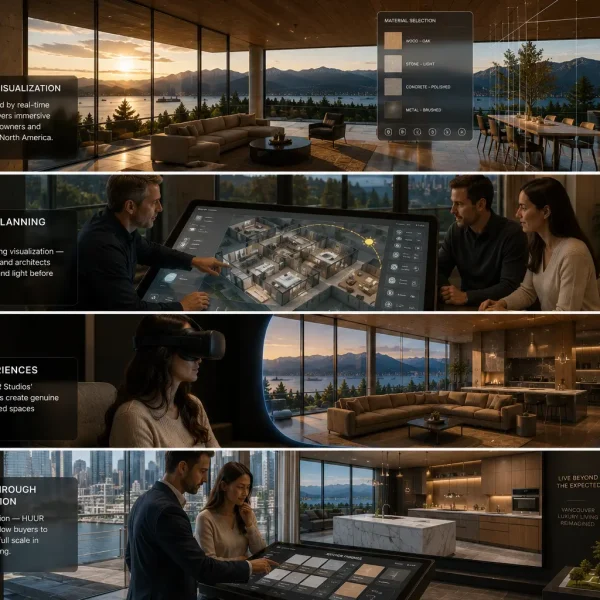
The specific buyer-facing technologies that HUUR Studios deploys include interactive walkthrough environments accessible through standard web browsers, finish configuration tools that allow buyers to visualize material options in the actual space, Virtual Reality headset experiences for high-value suite presentations in sales suite environments, and cinematic visualization films produced through virtual production workflows that give every development the aspirational brand narrative that premium buyer audiences across Vancouver and North America expect from developments at this quality level.
Virtual Reality Buyer Presentations
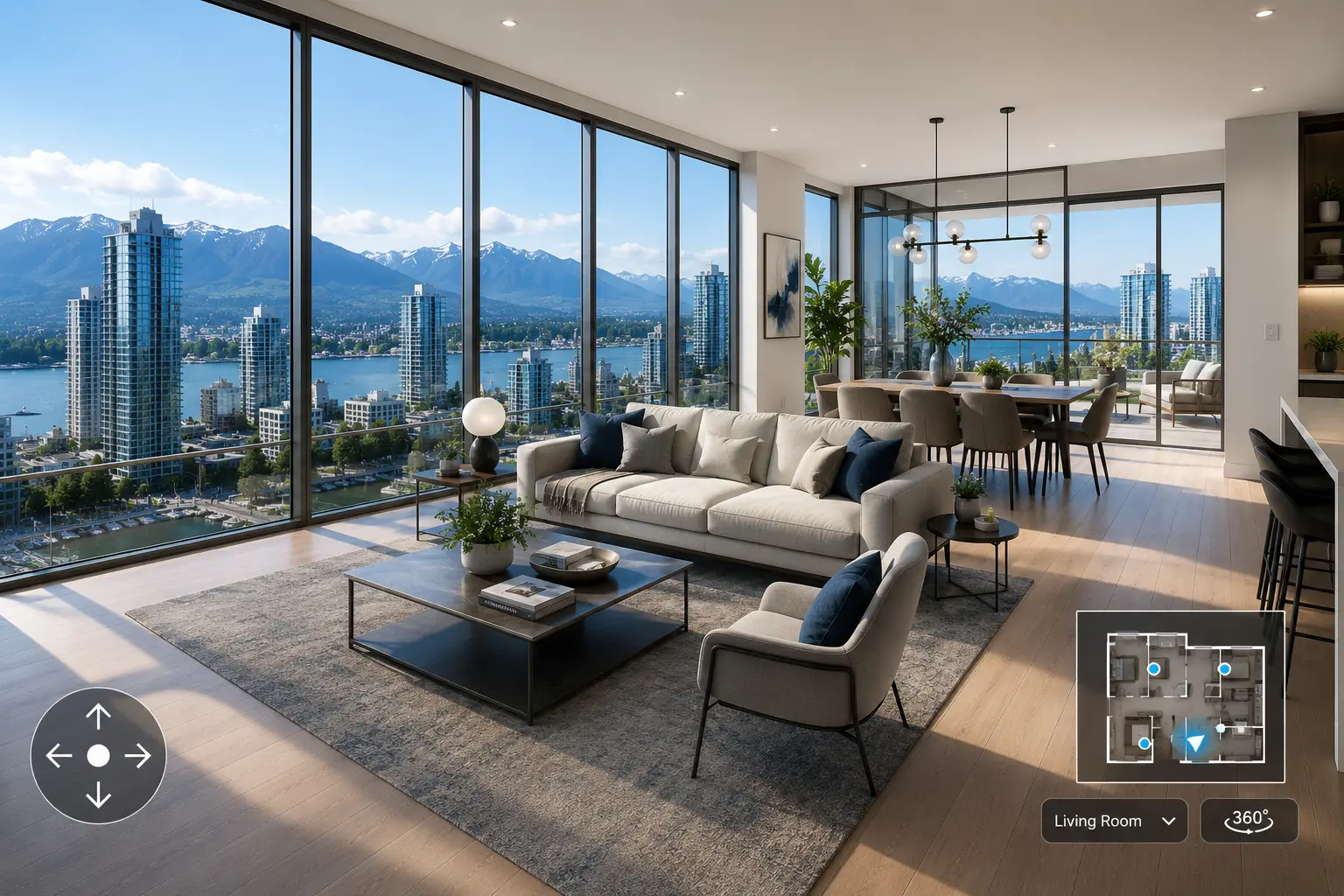
Virtual Reality has matured significantly as a buyer presentation tool in Vancouver’s luxury presale market — moving from a novelty experience that impressed without necessarily informing, to a genuinely useful spatial exploration tool that gives buyers the embodied scale understanding that no screen-based visualization format can replicate. A buyer who has stood inside a proposed penthouse suite in a Virtual Reality headset, looking out at the mountain and ocean views that the actual finished unit will frame, has formed a spatial conviction about that unit that no amount of renders and floor plans can generate with equivalent certainty.
Immersive technology in architecture deployed through Virtual Reality buyer presentation formats delivers its strongest commercial value for suite types and amenity spaces where proportional understanding and experiential quality are the primary purchase drivers — penthouse and sub-penthouse suites with exceptional views, amenity spaces where the quality of the experience justifies premium pricing, and large-format commercial spaces where a tenant’s understanding of how the space will serve their operational requirements depends on direct spatial experience rather than plan reading.
Future Opportunities for Developers
The trajectory of Immersive technology in architecture points toward capabilities that will extend what Immersive technology in architecture that will further transform how property development decisions are made, how construction is managed, and how the long-term performance of built assets is monitored and optimized across their operational lifetimes. Several near-term developments carry particular commercial significance for Vancouver developers evaluating their digital infrastructure investment now.
AI integration within immersive architectural technology platforms is enabling a new generation of generative design tools that propose design configurations based on specified performance parameters — generating massing options that optimize simultaneously for solar access, wind performance, floor plate efficiency, and planning compliance, then rendering each option photorealistically within the same environment for immediate visual evaluation. This AI-assisted design exploration capability dramatically expands the number of genuine design alternatives that a development team can evaluate within a given project timeline and budget.
START YOUR PROJECT WITH HUUR
Contact our team or explain and submit your project .
Digital Twin Operational Intelligence
The evolution of Digital Twin technology — a core pillar of Immersive technology in architecture — from a design and visualization tool into genuine operational infrastructure represents the most significant long-term opportunity in Immersive technology in architecture for Vancouver developers and institutional asset owners. A Digital Twin built with proper sensor integration and data architecture from the outset of a development becomes an operational asset that monitors building performance, predicts maintenance requirements, and optimizes energy consumption continuously throughout the building’s occupied lifetime — compounding in value with every year of operational data it accumulates.
HUUR Studios builds toward this operational future in every project it delivers — designing immersive environments with the data architecture that allows them to evolve from presale marketing tools into genuine Digital Twin platforms once the building is occupied. This lifecycle thinking is what distinguishes HUUR Studios’ approach to real-time visualization and virtual production from studios that produce single-purpose visualization assets without considering how the underlying digital model can serve the development beyond the presale campaign.
Mixed Reality and the Future of Site Communication
Mixed Reality technology is evolving rapidly toward applications that will transform how construction progress is communicated to stakeholders — allowing owners, investors, and future tenants to experience the partially completed building with its finished elements overlaid in real time, forming an accurate picture of the eventual finished environment months before physical completion. This capability has particular value for commercial tenants evaluating fit-out decisions during construction, investors monitoring development progress against their capital deployment timeline, and planning authorities assessing design compliance against approved documentation as construction proceeds across North America’s most active development markets.
The convergence of these technologies — Virtual Reality, Mixed Reality, Digital Twin, AI-enhanced design, and real-time rendering — into unified interactive property presentation platforms is the defining direction of Immersive technology in architecture development — and HUUR Studios is investing continuously in this convergent capability to ensure Vancouver and North American clients remain at the leading edge of what is commercially achievable.
FAQ — Immersive technology in architecture
What is Immersive technology in architecture ?
Immersive technology in architecture combines real-time rendering, Virtual Reality, Mixed Reality, Digital Twin data, and BIM to create interactive digital environments of proposed buildings — allowing architects, developers, and buyers to experience, evaluate, and make decisions about designs before construction begins.
Why are developers adopting immersive technology?
Developers adopt Immersive technology in architecture to reduce design risk, accelerate buyer conviction, improve multi-disciplinary coordination, and build stronger stakeholder presentations. The measurable commercial returns — faster presale velocity, fewer construction errors, and stronger investor confidence — justify the investment at every development scale.
Does immersive technology reduce project risk?
Yes — Digital Twin simulation, virtual construction sequencing, and AI-enhanced design validation all identify coordination conflicts, compliance issues, and sequencing errors in the digital environment before construction begins, where resolution costs a fraction of what the same errors cost when discovered on site.
Which industries use immersive architecture?
Residential and commercial property development, architectural practice, urban planning, hospitality, healthcare, and infrastructure development across Vancouver, British Columbia, and throughout North America are all actively adopting Immersive technology in architecture — with luxury residential presale and landmark commercial being the sectors with the strongest current commercial deployment.
The future of architecture isn’t defined by a single technology—it’s shaped by how those technologies work together.
The most successful developments don’t rely on isolated tools. They combine real-time visualization, BIM intelligence, Digital Twins, immersive storytelling, and interactive experiences into a connected digital ecosystem that supports better design decisions, stronger stakeholder alignment, and greater buyer confidence throughout the entire lifecycle of a project.
At HUUR Studios, we bring these technologies together to create intelligent digital environments that serve architects, developers, investors, sales teams, and future occupants from concept through long-term operation.
Whether you’re planning a landmark development, transforming your design workflow, or building a more immersive buyer experience, we’ll help you create a digital strategy that’s designed to evolve alongside your project.
Start your project through HUUR Portal and discover how immersive technology can become one of your greatest competitive advantages.
Conclusion
Immersive technology in architecture is not a future development that Vancouver’s property and architectural sectors will need to prepare for eventually — it is a present commercial reality that is already reshaping how the most competitive developments in British Columbia and across North America are designed, coordinated, sold, and managed. The practices and development firms that have built this capability into their core workflows are already experiencing its commercial benefits in faster presale velocity, stronger stakeholder presentations, reduced construction risk, and more capable long-term asset management through Digital Twin operational intelligence.
HUUR Studios has built its entire practice around delivering Immersive technology in architecture at the highest standard available to the Vancouver and North American market — combining Unreal Engine real-time rendering, BIM data integration, Virtual Reality and Mixed Reality production capability, and Digital Twin architecture into unified immersive environments that serve every stakeholder from design team through construction coordinator to presale buyer. Whether the objective is stronger design decisions, reduced construction risk, more compelling buyer experiences, or long-term operational intelligence, Immersive technology in architecture through HUUR Studios is the capability that makes it achievable.
If your next development deserves the design clarity, risk reduction, and buyer conviction that only genuinely immersive digital environments can deliver, Immersive technology in architecture through HUUR Studios is exactly what your project needs.