
Introduction
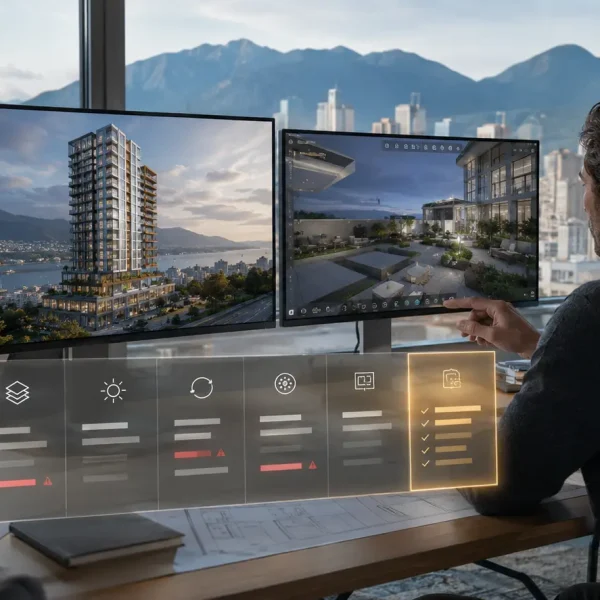
Real-time architectural visualization is rapidly transforming how architects, developers, and real estate marketers present projects in competitive markets like Vancouver and across North America. While static architectural rendering has long been the industry standard for showcasing unbuilt spaces, the rise of real-time rendering architecture is changing client expectations through interactivity, speed, and immersive experiences.
Today’s buyers and investors want more than fixed images. They expect dynamic environments, walkthroughs, and responsive presentations that allow them to experience a project before construction begins. This shift has accelerated the adoption of interactive architectural visualization, especially in luxury real estate, presale marketing, and large-scale developments.
At the center of this transformation is technology such as Unreal Engine visualization, which enables architects and visualization studios to create highly realistic, real-time environments with cinematic quality. Combined with immersive visualization technology, these tools support stronger storytelling, faster revisions, and more engaging presentations.
Still, static rendering continues to play an important role in architecture and real estate marketing. The key is understanding where each method creates the most value. As the industry evolves, firms that balance cinematic architectural experiences with practical workflow efficiency will gain a significant competitive advantage through real-time architectural visualization.
How Unreal Engine Visualization Is Transforming Real-Time Architectural Experiences
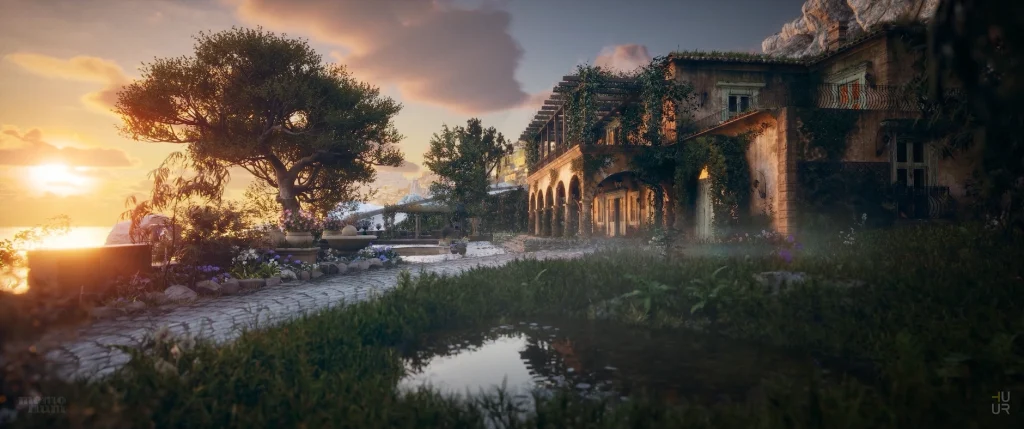
“From design visualizations and cinematic experiences to high-quality games across PC, console, mobile, VR, and AR, Unreal Engine gives you everything you need to start, ship, grow, and stand out from the crowd.(UNREALENGINE)” Unreal Engine visualization is transforming the future of real-time architectural visualization by enabling architects, developers, and real estate marketers to create highly immersive and photorealistic digital environments. Originally developed for the gaming industry, Unreal Engine is now widely used in architecture because of its ability to deliver cinematic-quality visuals in real time. Unlike traditional static architectural rendering, it allows users to move freely through spaces and experience projects dynamically.
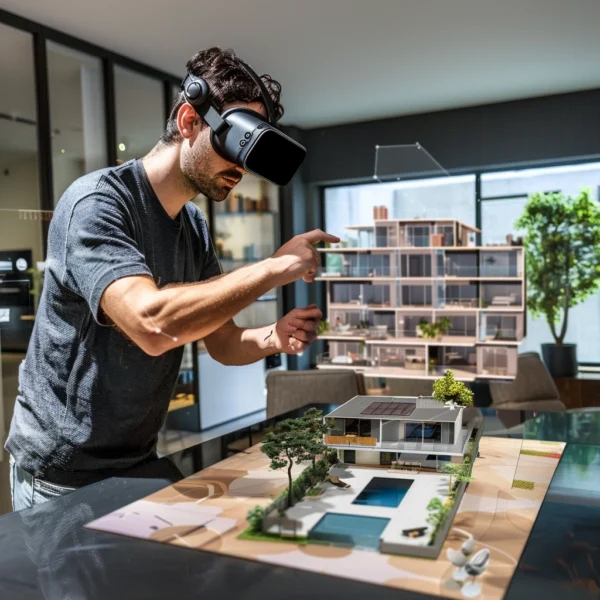
Another major benefit is the rise of interactive architectural visualization. Buyers and investors are no longer limited to viewing fixed images. Through immersive walkthroughs and virtual experiences, they can explore spaces naturally and better understand scale, atmosphere, and design intent. This level of interaction creates stronger emotional engagement and improves communication during presale marketing.
In competitive real estate markets like Vancouver and across North America, immersive visualization technology is becoming an essential marketing tool. Developers increasingly use Unreal Engine visualization to create luxury presentations, virtual tours, and cinematic property experiences that stand out in crowded markets. These experiences help projects feel more tangible before construction even begins.
As technology continues evolving, real-time architectural visualization will play an even larger role in architecture and real estate marketing. Combined with AI, VR, and cloud-based platforms, Unreal Engine is helping shape the next generation of cinematic architectural experiences—where storytelling, interaction, and visualization come together in one seamless digital environment.

What Is Static Architectural Rendering?
How static architectural rendering became the industry standard
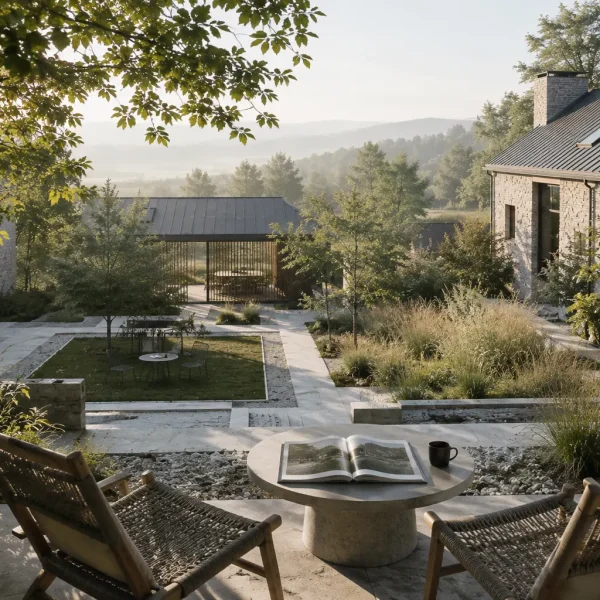
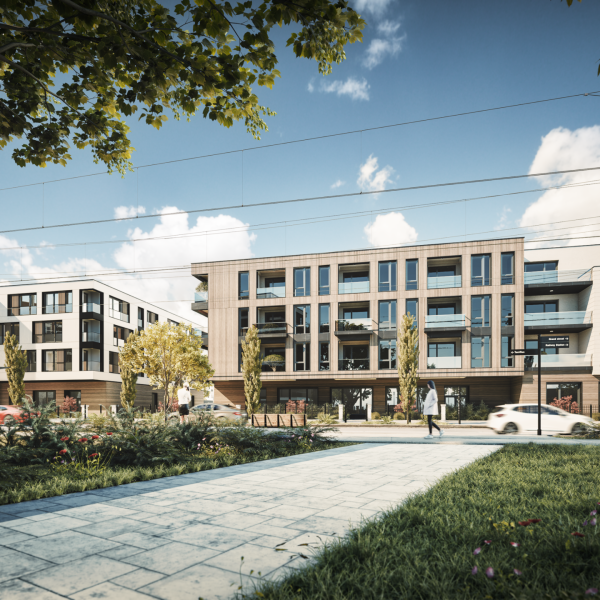
Before the rise of real-time tools, static architectural rendering was the primary method for visualizing unbuilt projects. High-quality still images helped architects, developers, and marketing teams communicate design intent through carefully composed perspectives and photorealistic detail.
For years, static renders dominated brochures, websites, presale campaigns, and investor presentations. In cities like Vancouver, where real estate competition is intense, polished renderings became essential for marketing luxury developments and attracting buyers before construction.
Strengths and limitations of static visualization workflows
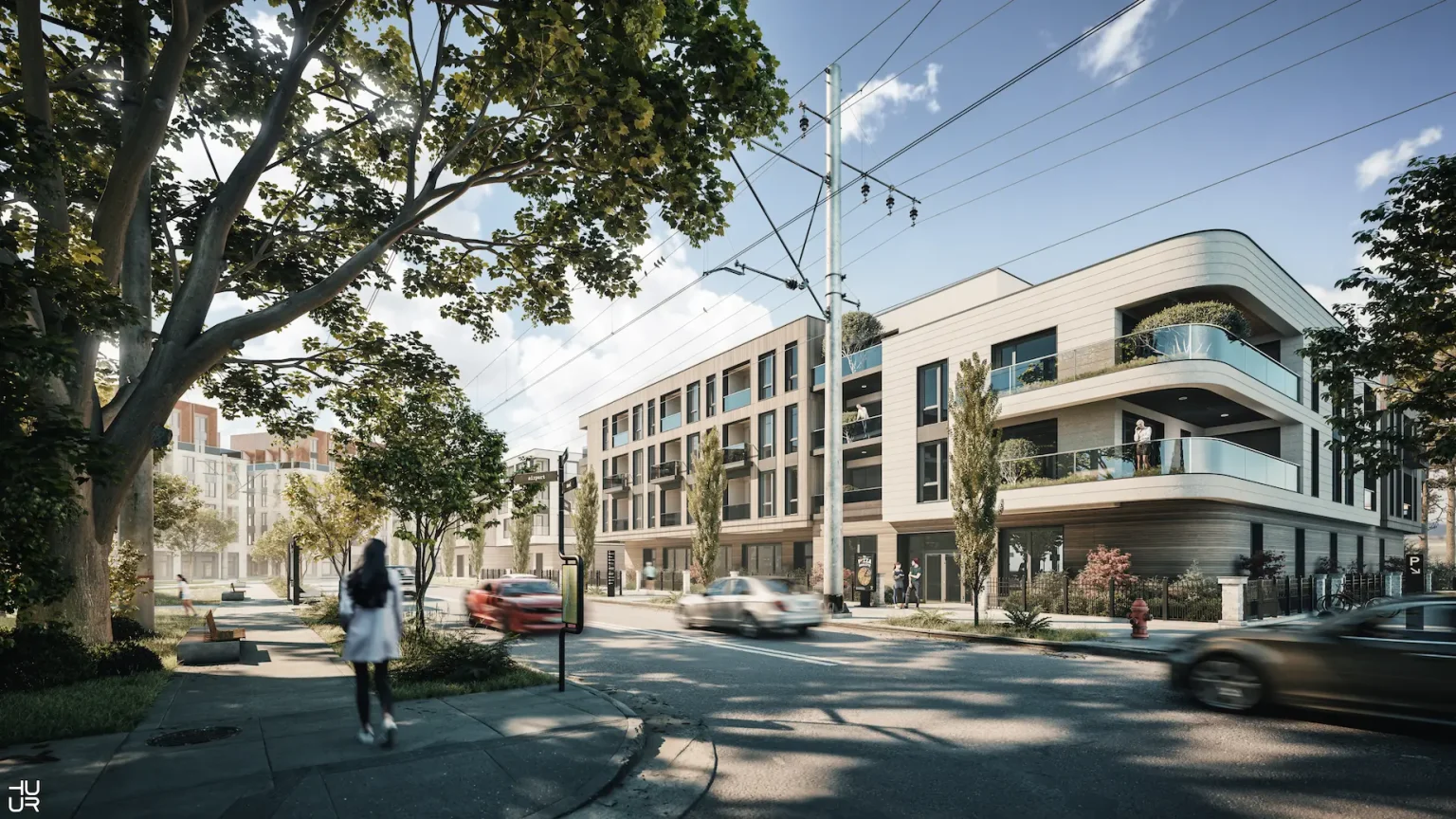
One of the biggest strengths of static rendering is image quality. Artists can fully control lighting, composition, materials, and atmosphere to create highly refined visuals. This makes static rendering ideal for hero images, print campaigns, and premium branding materials.
However, static workflows also have limitations. Every design revision typically requires additional rendering time, making updates slower and more expensive. Unlike real-time rendering architecture, static renders do not allow clients or buyers to interact with the environment dynamically.
As projects become more complex, many firms are now combining static visuals with immersive visualization technology to create more flexible presentations.
Where static renders are still highly effective in real estate marketing
Despite the growth of interactive architectural visualization, static rendering remains valuable in many situations. High-end exterior hero shots, marketing billboards, and magazine-quality visuals still rely heavily on static workflows.
Static renders are also effective when the goal is to highlight a specific moment or carefully curated atmosphere. In luxury developments, cinematic still images continue to play an important role alongside Unreal Engine visualization and real-time experiences.
Rather than disappearing, static rendering is evolving into part of a broader hybrid workflow that includes both fixed imagery and cinematic architectural experiences.

What Is Real-Time Architectural Visualization?
Understanding real-time rendering architecture
Real-time architectural visualization allows users to explore and interact with digital environments instantly, without waiting for pre-rendered images or animations. Unlike static architectural rendering, where visuals are fixed, real-time rendering architecture responds dynamically to movement, lighting changes, and user interaction.
How Unreal Engine visualization changes architectural workflows
A major driver behind this shift is Unreal Engine visualization. Originally developed for gaming, Unreal Engine is now widely used in architecture and real estate because it delivers cinematic-quality environments with real-time performance.
With Unreal Engine, design teams can make updates instantly instead of waiting hours for new renders. Materials, lighting, furniture layouts, and environmental conditions can all be adjusted during presentations. This significantly improves workflow speed and collaboration.
For developers and visualization studios, real-time architectural visualization also reduces friction between design and marketing teams. Instead of creating separate outputs for each revision, projects can evolve continuously within one interactive environment.
Interactive architectural visualization and immersive experiences
One of the biggest advantages of interactive architectural visualization is engagement. Buyers no longer passively view images—they actively experience spaces through walkthroughs, VR tours, and immersive presentations.
This creates stronger emotional connections and improves understanding of scale, layout, and atmosphere. Combined with immersive visualization technology, real-time experiences are becoming powerful tools for presale campaigns and investor presentations.
In luxury real estate and mixed-use developments across Canada and North America, firms increasingly use cinematic architectural experiences to differentiate projects and improve buyer confidence. As a result, real-time architectural visualization is quickly becoming a central part of modern real estate marketing.

Key Differences Between Static Rendering and Real-Time Visualization
Flexibility and design interaction
The biggest difference between real-time architectural visualization and static architectural rendering is interaction. Static renders present fixed views, while interactive architectural visualization allows users to move through spaces, explore angles, and experience environments dynamically.
This flexibility improves communication between architects, developers, and clients. In real-time rendering architecture, changes to lighting, materials, or layouts can appear instantly during meetings or presentations, creating a more collaborative workflow.
Speed, revisions, and workflow efficiency
Traditional static architectural rendering often requires long rendering times for every update. Even small revisions may involve re-rendering scenes and adjusting post-production work.
By contrast, Unreal Engine visualization enables real-time adjustments with immediate feedback. Designers can update environments instantly, reducing delays and improving project efficiency. In fast-paced real estate markets like Vancouver, this speed is becoming a major competitive advantage.
For large developments, immersive visualization technology also supports scalability. Teams can create multiple experiences and presentations from a single real-time environment instead of producing separate static outputs for each use case.
Buyer engagement and cinematic architectural experiences
From a marketing perspective, real-time architectural visualization creates deeper engagement than static imagery alone. Buyers can interact with environments naturally, helping them understand space, scale, and atmosphere more clearly.
While static architectural rendering still delivers powerful hero images and polished marketing visuals, real-time experiences offer stronger interaction and adaptability. As a result, many studios now combine both methods to create more complete and effective presentations.

When to Use Static Renders and When to Use Real-Time Experiences
Best use cases for static architectural rendering
Despite the growth of real-time architectural visualization, static architectural rendering remains highly effective for specific marketing and presentation goals. High-resolution still images are ideal for brochures, websites, social media campaigns, and billboard advertising where a single polished frame is needed.
When immersive visualization technology creates more value
Projects that require interaction, flexibility, or buyer engagement benefit more from immersive visualization technology and interactive architectural visualization.
For example, presale developments, investor presentations, and large mixed-use projects often need walkthroughs, real-time customization, and dynamic presentations. In these situations, real-time rendering architecture allows clients to experience spaces naturally instead of viewing fixed perspectives.
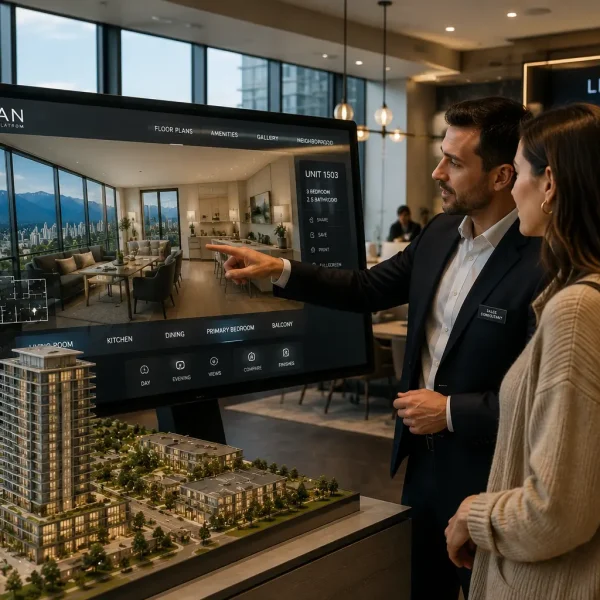
Using Unreal Engine visualization, developers can also showcase multiple unit types, lighting conditions, and material options within one environment. This creates a more engaging and efficient sales process.
Hybrid workflows combining both visualization methods
Today, many leading studios in real-time architectural visualization combine both methods instead of choosing only one. A hybrid workflow uses static architectural rendering for hero marketing visuals while integrating real-time architectural visualization for interactive experiences and presentations.
This approach delivers both cinematic quality and flexibility. Buyers receive polished marketing imagery alongside immersive walkthroughs that improve understanding and confidence.
As cinematic architectural experiences become more important in real estate marketing, hybrid visualization strategies are becoming the preferred solution for developers and design teams across Canada and global markets.

Why the Architectural Industry Is Moving Toward Real-Time Solutions
The rise of immersive visualization technology in Vancouver and North America
The architectural industry is rapidly adopting real-time architectural visualization as buyers, developers, and investors demand more interactive and engaging experiences. In cities like Vancouver, Toronto, Seattle, and Miami, highly competitive real estate markets are pushing firms to present projects with greater speed and clarity.
As a result, immersive visualization technology is becoming a major part of modern real estate marketing. Developers increasingly use interactive walkthroughs, virtual tours, and cinematic architectural experiences to differentiate projects and attract buyers earlier in the sales cycle.
Real-time visualization for real estate marketing and presales
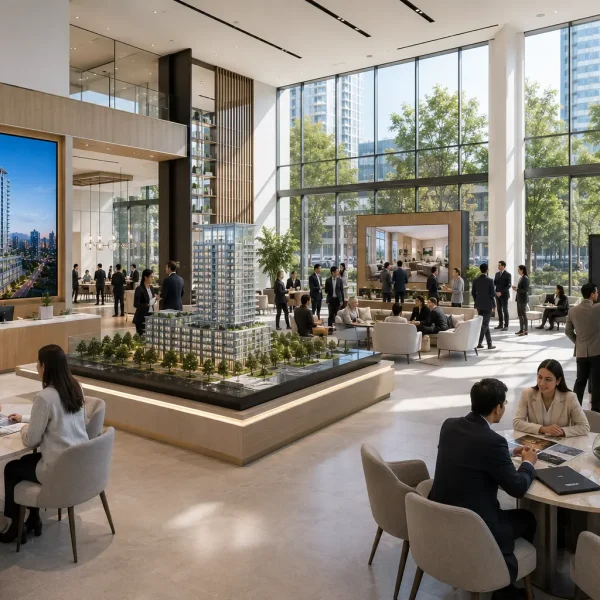
One of the strongest advantages of real-time rendering architecture is its impact on presale marketing. Buyers can explore spaces before construction begins, helping them understand layouts, atmosphere, and material choices more naturally than through static architectural rendering alone.
Through interactive architectural visualization and Unreal Engine visualization, developers can present multiple unit variations, real-time customization options, and immersive sales experiences from a single digital environment.
This creates stronger buyer confidence and improves communication during presentations, especially in luxury residential and mixed-use developments across Canada and North America.
The future of cinematic architectural experiences
The future of architectural visualization is moving toward connected, interactive, and emotionally engaging experiences. While static imagery will continue to play an important role, the industry is clearly shifting toward real-time architectural visualization as a long-term solution.
Advances in hardware, cloud streaming, VR, and AI are making real-time rendering architecture more accessible and scalable for studios of all sizes. At the same time, clients increasingly expect flexible and immersive presentations rather than fixed visuals.
As technology continues evolving, firms that combine interactive architectural visualization, storytelling, and cinematic quality will lead the next generation of real estate marketing and design communication.
Frequently Asked Questions (FAQs)
What is real-time architectural visualization?
Real-time architectural visualization is a digital process that allows users to explore and interact with architectural environments instantly through real-time rendering architecture technologies. Unlike traditional presentations, users can move through spaces dynamically, change viewpoints, and experience environments in real time. Using tools like Unreal Engine visualization and advanced immersive visualization technology, architects and developers can create highly realistic walkthroughs, interactive presentations, and cinematic environments for modern real estate marketing.
How does real-time visualization differ from static rendering?
The main difference between real-time architectural visualization and static architectural rendering is interaction and flexibility. Static rendering produces fixed images from selected camera angles, while interactive architectural visualization allows users to navigate spaces freely and experience projects dynamically. Through real-time rendering architecture, lighting, materials, and layouts can also be updated instantly, making presentations more immersive, collaborative, and efficient for architecture and real estate workflows.
Is real-time visualization more expensive than static rendering?
The initial investment for real-time architectural visualization can sometimes be higher because it requires building a fully interactive environment rather than a single image. However, over time, real-time rendering architecture often reduces production costs by simplifying revisions, accelerating approvals, and improving workflow efficiency. For large developments, presale marketing, and projects requiring multiple design updates, immersive visualization technology can provide stronger long-term value than traditional static architectural rendering workflows.
Which visualization method is better for real estate marketing?
Both static architectural rendering and real-time architectural visualization play important roles in real estate marketing. Static renders are highly effective for brochures, websites, advertising campaigns, and polished hero imagery. Meanwhile, interactive architectural visualization creates deeper buyer engagement by allowing users to experience spaces through walkthroughs and immersive environments. Many developers now combine both methods to create stronger and more complete cinematic architectural experiences.
What software is used for real-time rendering architecture?
Several advanced platforms are used in real-time rendering architecture, including Unreal Engine visualization, Unity, Twinmotion, and Enscape. These technologies support interactive architectural visualization, VR walkthroughs, immersive presentations, and real-time cinematic experiences. Among them, Unreal Engine has become one of the leading tools for creating highly realistic and immersive real estate marketing environments.
Why are developers adopting interactive architectural visualization?
Developers are increasingly adopting interactive architectural visualization because buyers now expect more engaging and immersive experiences before making purchasing decisions. Through real-time architectural visualization and immersive visualization technology, developers can present projects more clearly, improve buyer confidence, and accelerate presale marketing. In competitive markets like Vancouver and across North America, these cinematic architectural experiences help projects stand out and strengthen modern real estate branding strategies.
Today’s most successful developments are experienced long before they are built — through cinematic, interactive, and real-time environments that help buyers, investors, and stakeholders connect with a project on a deeper level.
At HUUR, we combine Unreal Engine visualization, immersive technology, and real-time architectural workflows to create experiences that go beyond traditional rendering. From luxury residential towers to large-scale mixed-use developments, we help transform concepts into engaging digital environments designed for modern real estate marketing.
Connect with our team to explore how real-time architectural visualization can elevate your next project.
Conclusion: The Future of Real-Time Architectural Visualization
Real-time architectural visualization is redefining how architecture and real estate projects are presented, experienced, and marketed. While static architectural rendering remains valuable for polished marketing imagery, the industry is rapidly shifting toward interactive and immersive experiences that improve engagement and flexibility.
With technologies such as Unreal Engine visualization, interactive architectural visualization, and advanced immersive visualization technology, developers can now communicate projects more effectively and create stronger emotional connections with buyers.
In competitive markets like Vancouver and across North America, firms that adopt real-time rendering architecture gain advantages in workflow speed, client collaboration, and real estate marketing performance. The future of the industry will not rely on static visuals alone—it will be shaped by dynamic, cinematic, and interactive environments powered by real-time architectural visualization.
At HUUR, we see real-time architectural visualization as more than a rendering method—it is the future of architectural communication and real estate marketing. By combining real-time rendering architecture, Unreal Engine visualization, and immersive visualization technology, HUUR creates highly engaging digital environments that go beyond traditional static architectural rendering. Our team develops interactive architectural visualization experiences that allow developers, investors, and buyers to explore projects dynamically through cinematic walkthroughs and real-time environments. From luxury towers and townhouse developments in Vancouver to large-scale North American projects, HUUR focuses on delivering cinematic architectural experiences that strengthen branding, improve buyer engagement, and elevate modern virtual real estate marketing strategies.