
Introduction
Photorealistic interior rendering has become the deciding factor between a presale campaign that closes quickly and one that stalls in committee — because the human brain forms judgments about a space within seconds, and those judgments are shaped almost entirely by whether the image in front of a buyer or stakeholder feels genuinely real. For developers, architects, and interior designers across Vancouver and North America, the gap between a competent CGI render and a truly photorealistic one is not a matter of taste. It is a matter of approval speed, buyer confidence, and ultimately, revenue.
The stakes are higher than they were even a few years ago. Buyers evaluating presale units, investors reviewing interior design proposals, and municipal stakeholders assessing development applications have all been conditioned by an increasingly sophisticated visual culture — streaming production values, high-resolution photography, and immersive digital media — to expect a level of realism that older rendering techniques cannot deliver. A render that reads as obviously synthetic undermines confidence in the underlying project, regardless of how strong the actual design is.
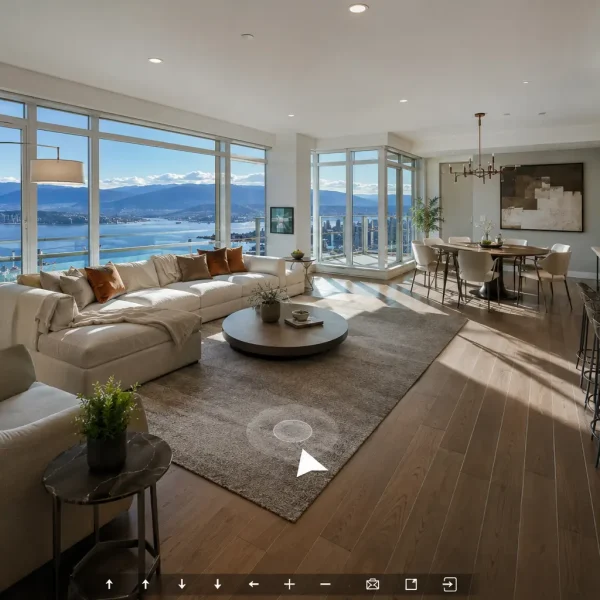
This is precisely where photorealistic interior rendering earns its commercial value. When light behaves correctly, when materials carry the subtle imperfections of the real world, and when atmosphere creates genuine emotional resonance, a rendered interior stops looking like a rendering and starts functioning like a photograph of a space that simply has not been built yet. This article examines exactly how that realism is achieved, what separates standard visualization from true high-end interior rendering, and why HUUR Studios has built its reputation on photorealistic interior rendering that accelerates approvals and converts buyers.

What Is Photorealistic Interior Rendering?
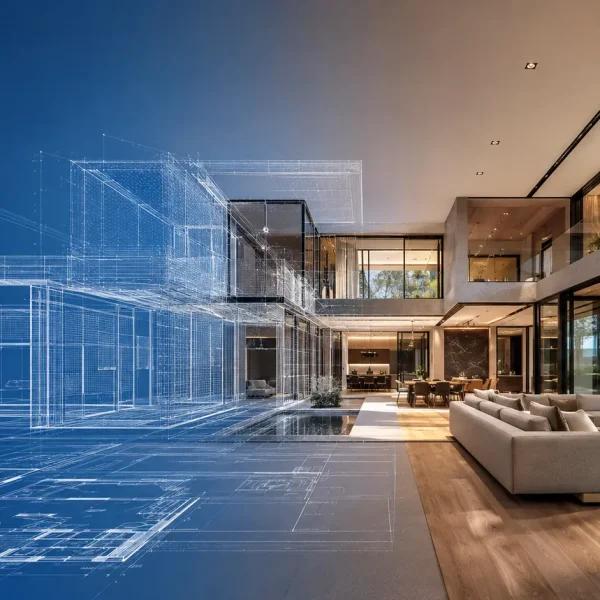
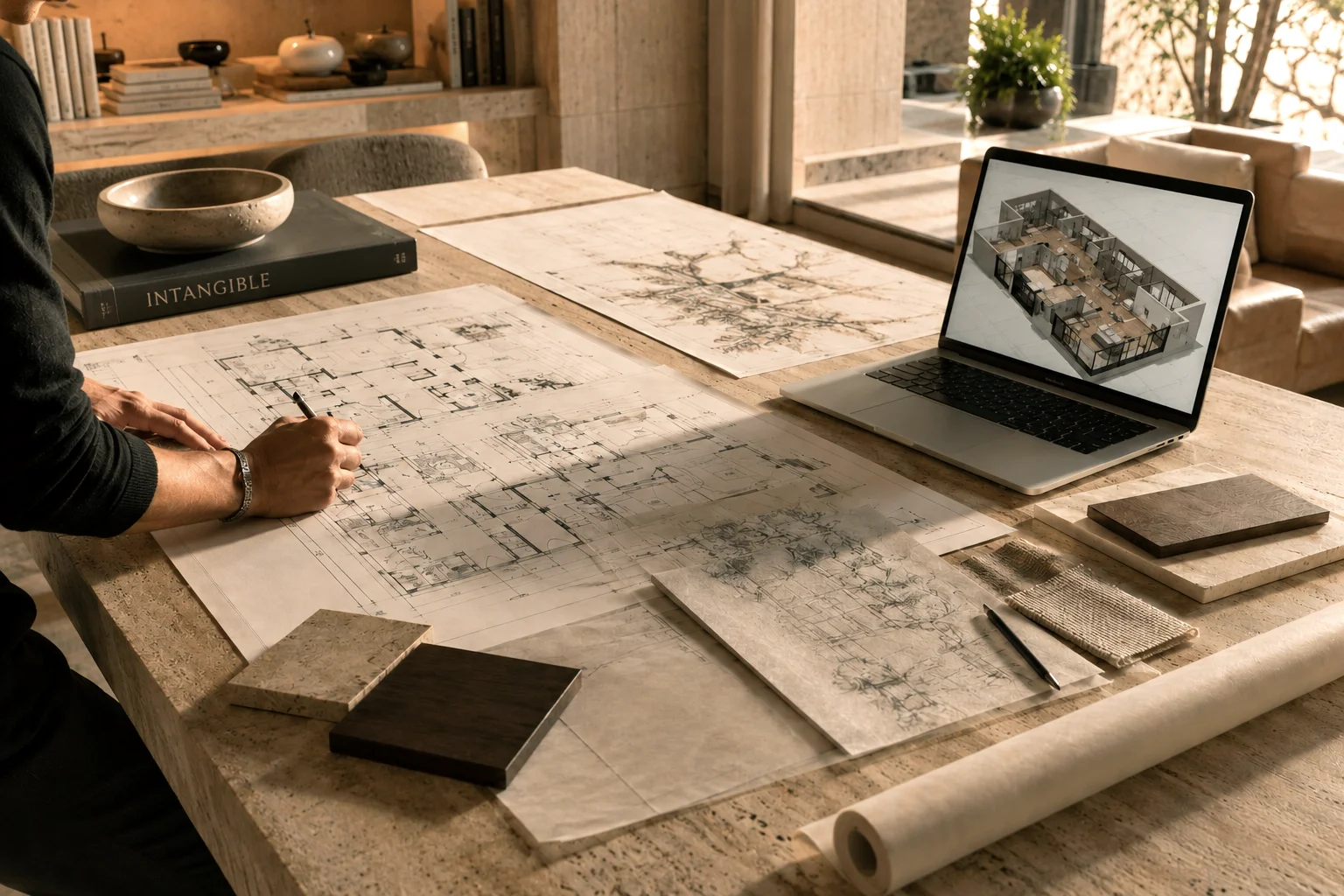
Photorealistic interior rendering is the practice of creating computer-generated imagery of interior spaces that is visually indistinguishable, or nearly so, from photography of a physically built environment. This distinguishes it from standard architectural visualization, which may communicate spatial layout and design intent accurately while still reading clearly as a digital rendering rather than a captured photograph. The difference lies in an accumulation of technical and artistic details — light behavior, material physics, atmospheric depth, and compositional choices borrowed directly from professional photography practice.
Interior architectural visualization at the photorealistic standard requires simulating how light actually behaves in physical space: how it bounces between surfaces, how it diffuses through sheer curtains, how it catches dust in the air near a window, and how different material types — matte plaster, polished stone, brushed metal, glass — each respond to that light according to their physical properties. Achieving this level of realistic interior CGI requires both sophisticated rendering technology and the trained eye of artists who understand photography, not just 3D software.
The Technical Foundation of Realistic Interior CGI
Realistic interior CGI depends on physically based rendering engines that simulate light transport according to real-world physics rather than simplified approximations. Global illumination algorithms calculate how light bounces multiple times between surfaces before reaching the camera — producing the soft, naturally graduated shadows and color bleeding between adjacent surfaces that define how human eyes actually perceive interior spaces. Without accurate global illumination, even a well-modeled and well-textured interior reads as flat and artificial.
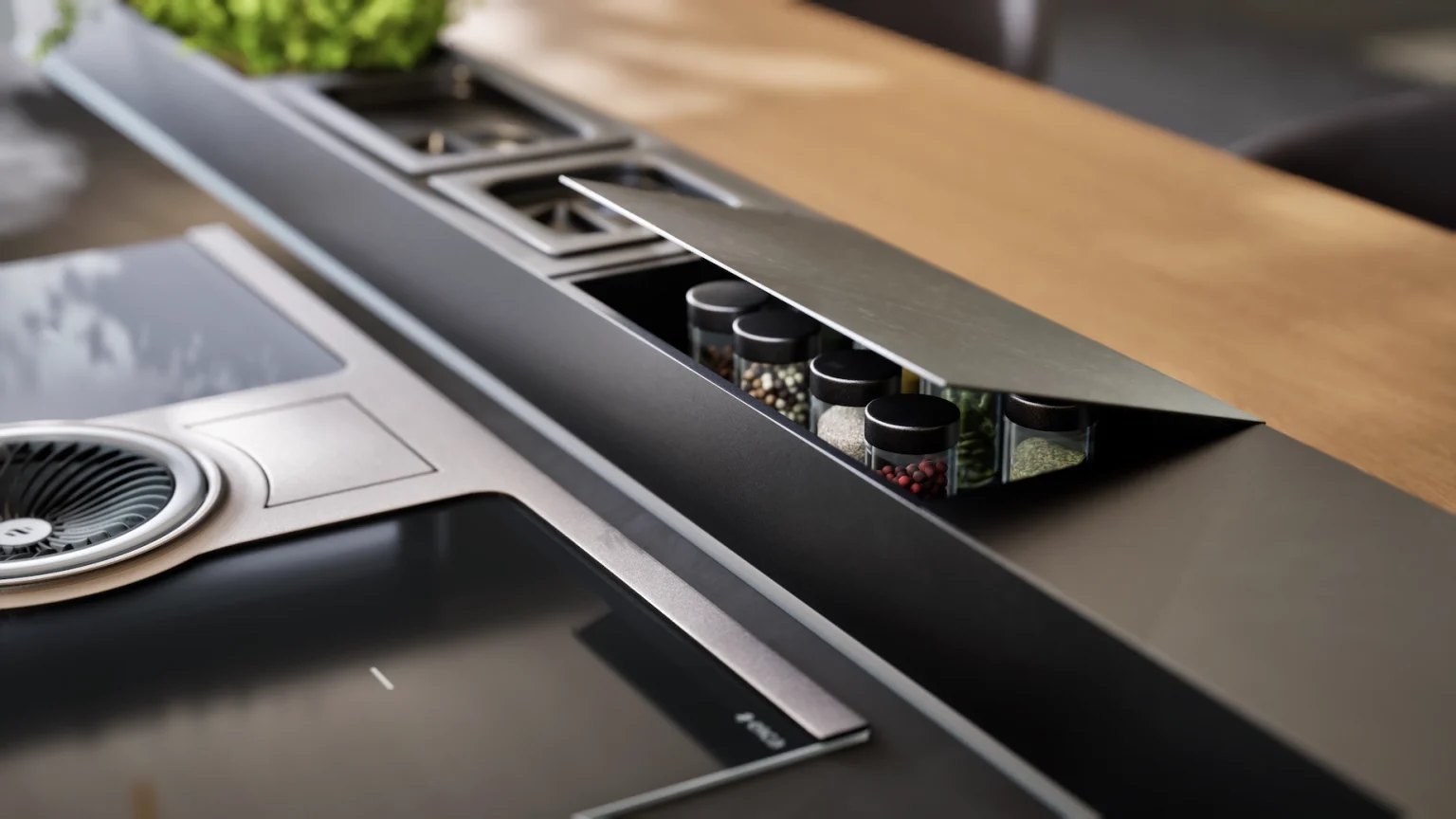
Material definition is equally critical to photorealistic interior rendering. Modern rendering pipelines use physically based material systems that define how a surface interacts with light according to measured real-world properties — roughness, reflectivity, subsurface scattering, and microscopic surface detail. A high-end interior rendering of a marble countertop, for example, requires simulating not just the visible veining pattern but the subtle way light penetrates slightly beneath the polished surface before scattering back toward the viewer — a subsurface scattering effect that the human eye registers as “real” even when it cannot articulate why.
For HUUR Studios, achieving this technical foundation consistently across every project is the baseline requirement before any creative or atmospheric work begins. Photorealistic interior rendering that skips this foundational physical accuracy cannot be rescued by composition or color grading alone — the underlying light and material simulation must be correct first.
How Lighting, Materials, and Atmosphere Shape Realistic Interiors
Lighting is the single most influential factor in whether photorealistic interior rendering succeeds or fails to convince the viewer. Interior spaces are defined as much by how light moves through them throughout the day as by their physical dimensions and finishes. A living room rendered at the wrong time of day, with light entering from an inconsistent direction or failing to account for how it would actually filter through window treatments, breaks the illusion of realism regardless of how accurately the furniture and architecture were modeled.
HUUR Studios approaches lighting in every interior architectural visualization project as a deliberate creative and technical decision — selecting the specific time of day, weather condition, and light quality that best serves the emotional tone the space needs to communicate. A morning light scenario, with low-angle sun casting long warm shadows across a kitchen, communicates a different feeling than the same space rendered in cool, diffused overcast light. Both can be photorealistic. Only one will be correct for a specific project’s narrative and market positioning.
Material Authenticity and the Details That Convince
Materials carry the second-largest burden of convincing realism in photorealistic interior rendering. The human eye is remarkably sensitive to material inauthenticity, even among viewers with no technical visualization training — a wood floor that looks slightly too uniform, a fabric that drapes with unnatural stiffness, or a metal surface with reflections that are too perfectly sharp will register as “off” even to someone who cannot identify exactly why.
High-end interior rendering addresses this through meticulous material authoring — incorporating the subtle imperfections that real materials always carry. Real hardwood floors have grain variation, slight color inconsistency between boards, and a sheen level that varies subtly with viewing angle. Real fabric has weave texture, slight wrinkling, and light absorption properties specific to its fiber type. HUUR Studios builds material libraries calibrated to these authentic imperfections specifically because their absence is one of the most common ways photorealistic interior rendering fails to achieve genuine realism.
Atmosphere as an Emotional Layer
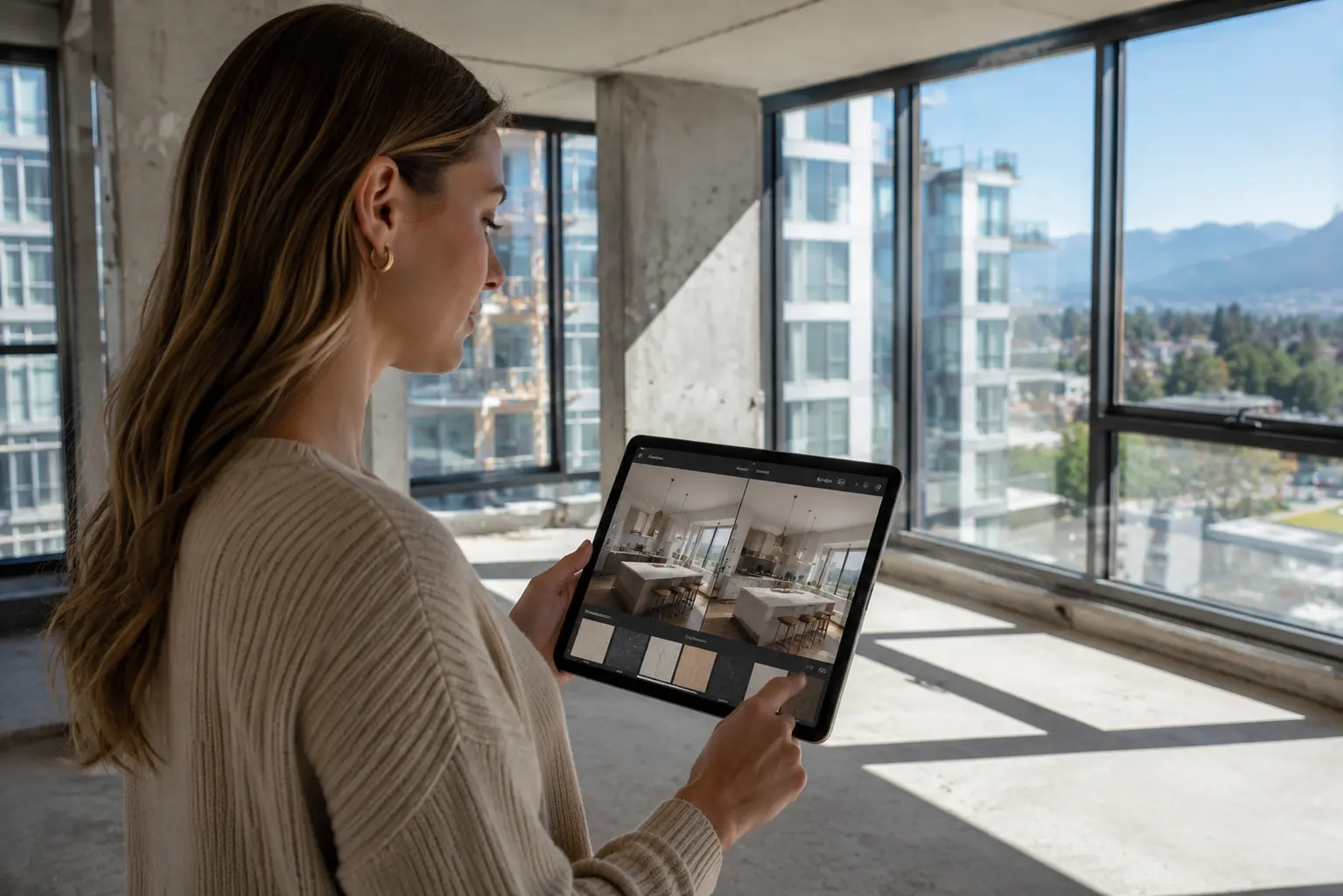
Atmosphere — the accumulated effect of light, air, and subtle environmental detail — is what transforms technically accurate photorealistic interior rendering into imagery with genuine emotional resonance. According to research published by Architectural Digest, lighting design and atmospheric quality are consistently identified by design professionals as among the most significant factors influencing how occupants emotionally experience interior space — a principle that applies equally to rendered environments intended to evoke that same emotional response in a viewer who has not yet physically entered the space.
HUUR Studios incorporates atmospheric elements deliberately into every cinematic interior visualization project — subtle volumetric light catching dust or moisture in the air, gentle depth-of-field effects that mimic how a human eye or camera lens actually focuses, and color grading choices that establish mood beyond what literal physical accuracy alone provides. These atmospheric layers are what separate competent photorealistic interior rendering from rendering that genuinely moves a viewer toward emotional connection with a space.
The Difference Between Standard and High-End Interior Visualization
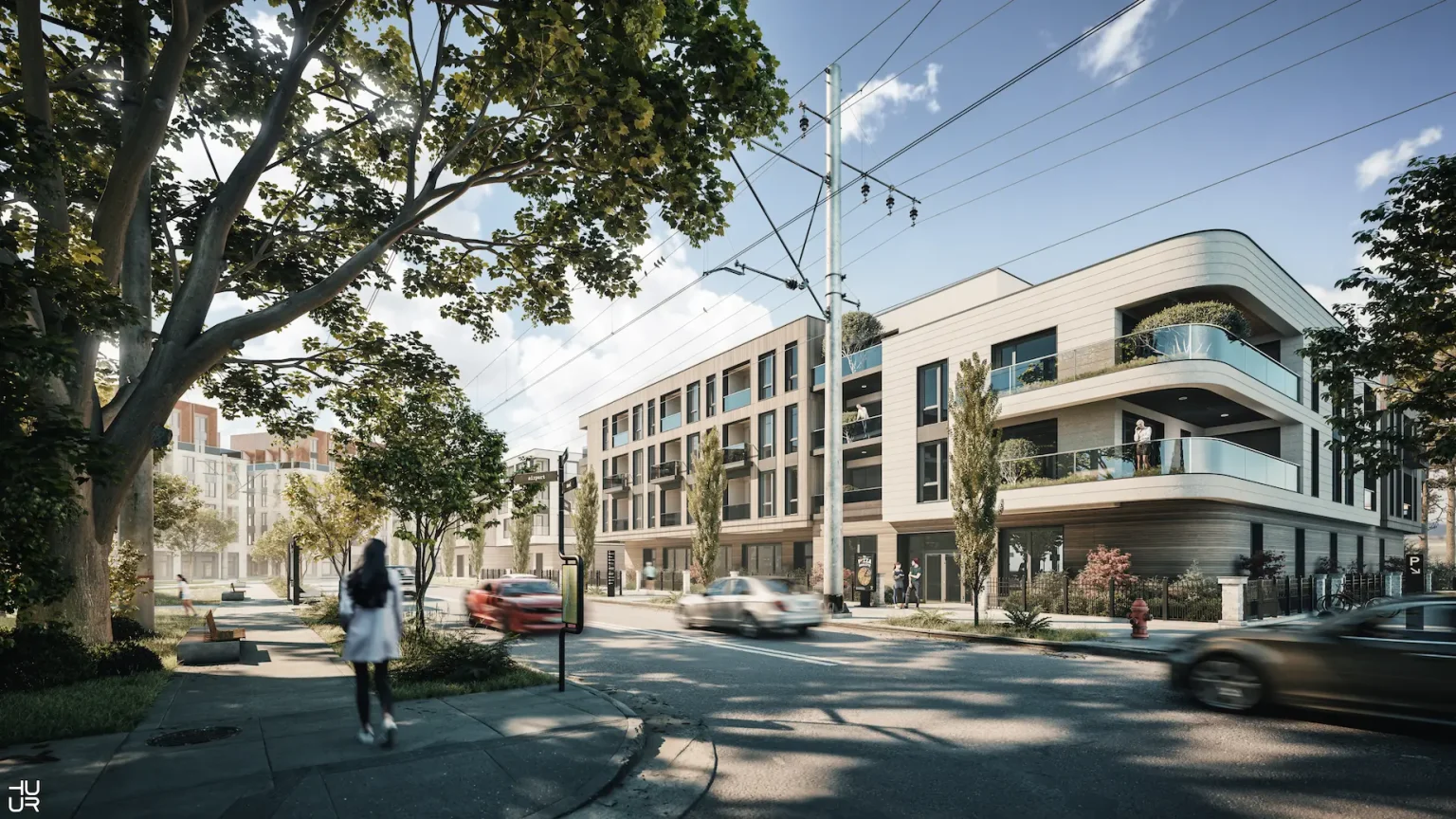
Standard interior architectural visualization and high-end interior rendering both aim to represent a space accurately, but they diverge significantly in execution time, technical sophistication, and ultimately commercial impact. Standard visualization prioritizes efficient production of spatially accurate imagery — adequate for early design communication, planning documentation, and contexts where budget and timeline constraints outweigh the need for maximum visual impact.
High-end interior rendering, by contrast, treats every project as a bespoke creative production — closer in process and intention to professional architectural photography than to conventional CGI production. This distinction shows up in measurable production differences: the number of lighting iterations tested before final selection, the depth of material customization applied, and the amount of post-production color and atmosphere work invested in the final image.
Why the Investment Difference Produces Measurable Commercial Results
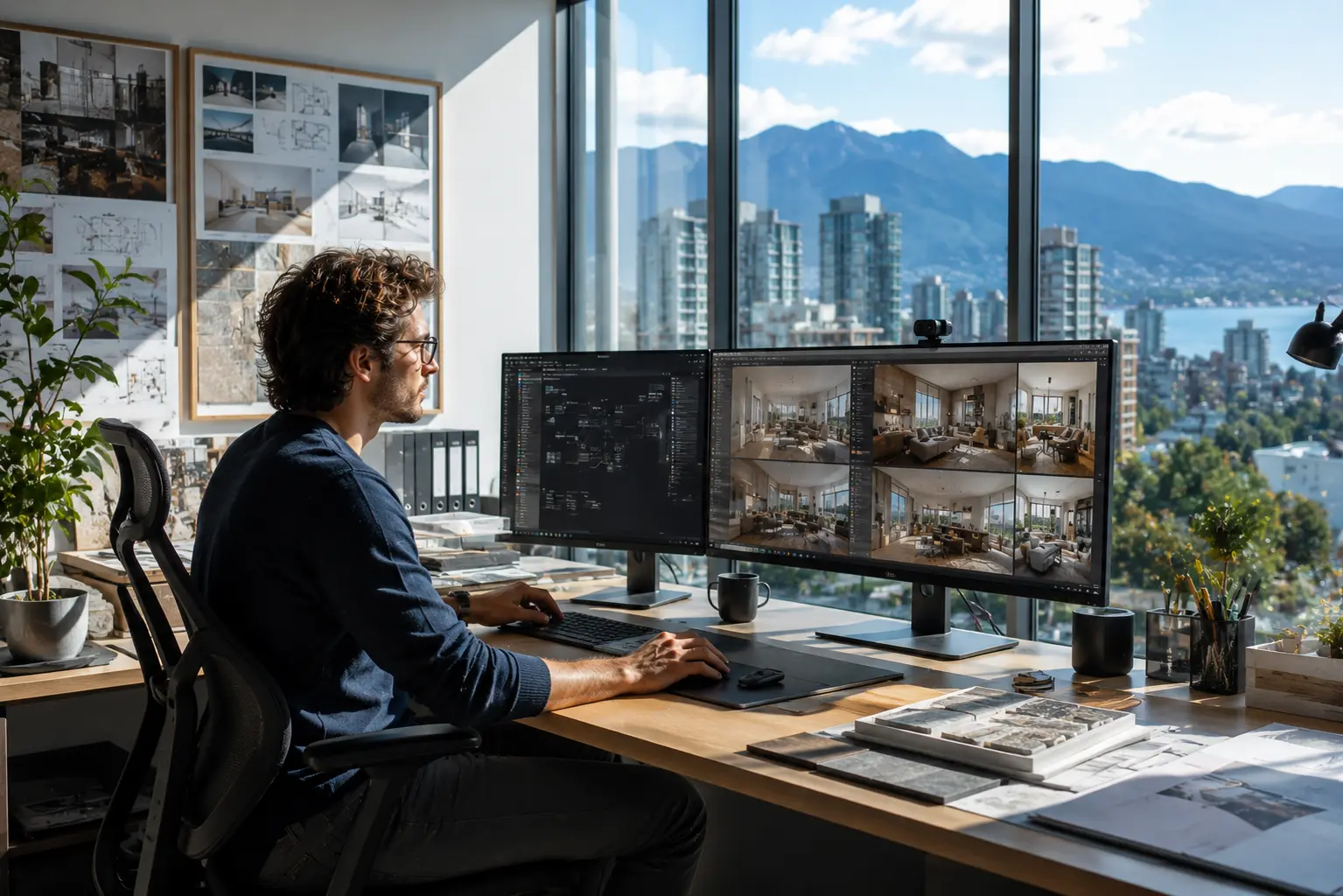
The investment difference between standard visualization and high-end interior rendering produces commercial results that justify the additional production time for premium projects. Buyers and stakeholders evaluating high-value real estate or design proposals respond to visual quality as a direct signal of project quality and developer credibility — a connection that sophisticated buyers in Vancouver’s competitive luxury market make consistently and often subconsciously.
HUUR Studios has observed across its North American client base that projects presented with genuinely high-end interior rendering move through approval processes — whether buyer decisions, investor sign-off, or design review committees — measurably faster than projects presented with standard visualization quality. Decision-makers spend less time questioning whether the represented space will actually look and feel as shown, because the photorealistic interior rendering itself eliminates the ambiguity that drives hesitation and extended deliberation.
Using Real-Time Technology for Interactive Interior Experiences
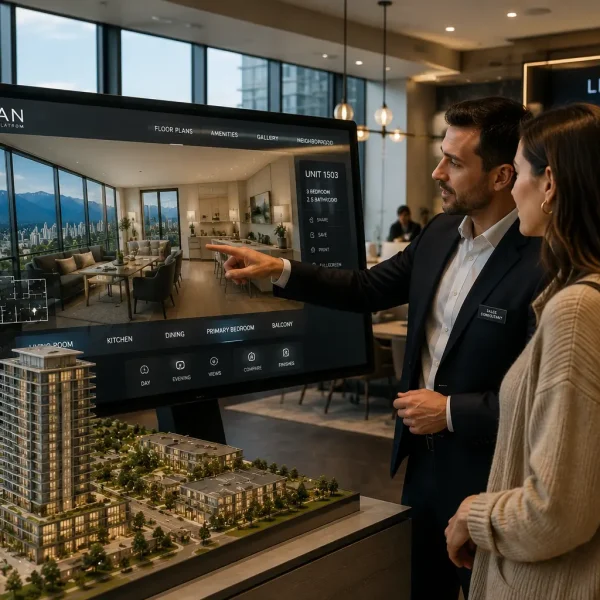
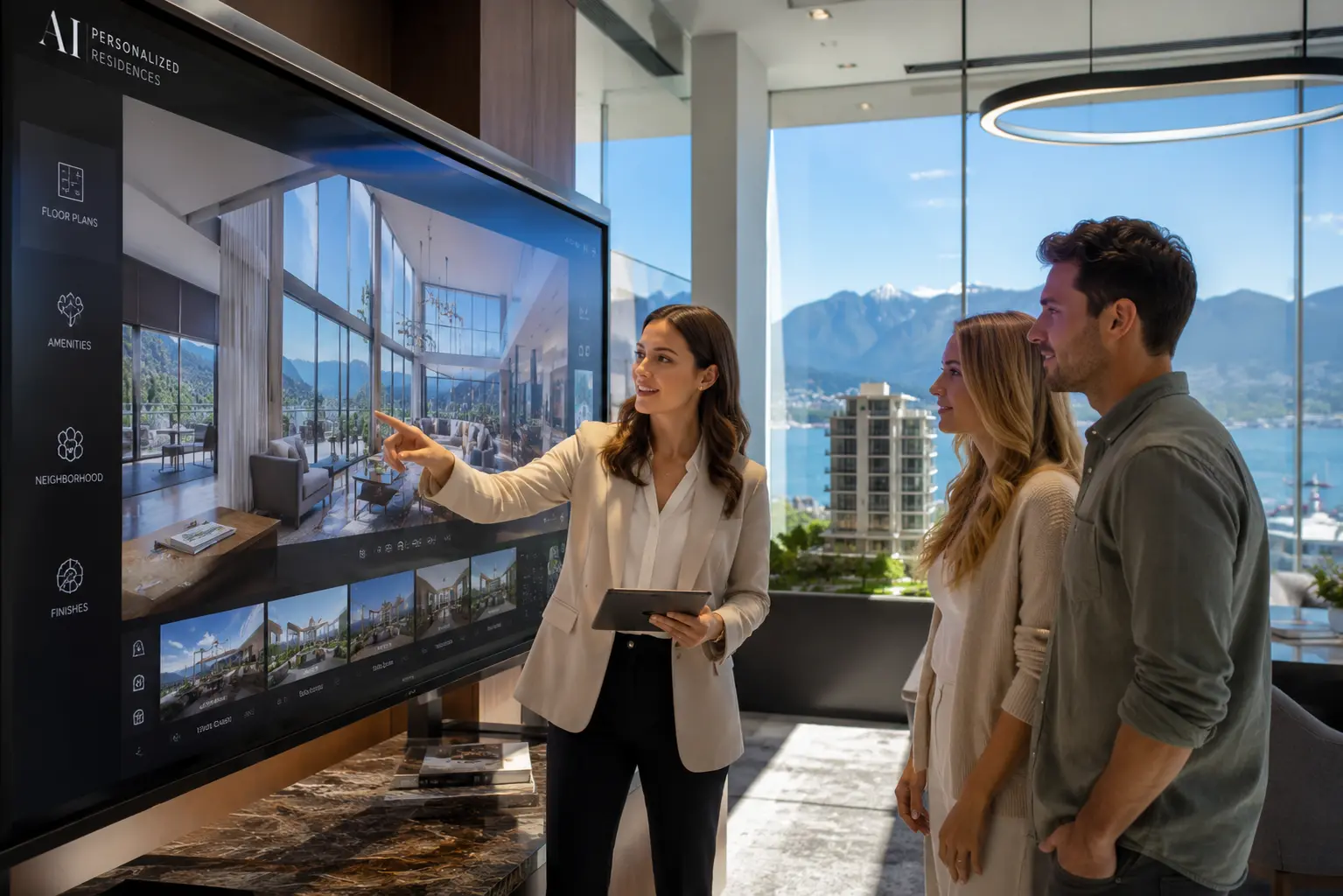
Real-time interior rendering has expanded what photorealistic interior rendering can deliver beyond static images into fully interactive, explorable environments. Built on game engine technology including Unreal Engine, real-time rendering pipelines now achieve visual quality approaching offline rendering standards while delivering that quality at interactive frame rates — allowing clients to navigate freely through a rendered interior, adjusting viewing angle, time of day, and material selections on demand.
For immersive interior experiences in presale and design review contexts, this interactivity transforms the client relationship with the visualization. Rather than reviewing a fixed set of hero images representing predetermined views and configurations, a client exploring a real-time interior rendering environment can ask their own questions of the space — moving toward a window to assess the actual view, standing at the kitchen island to evaluate sightlines, or adjusting time of day to understand how the space performs in evening light.
Explore More From HUUR
Virtual Production Studio Services: Build Stunning Digital Environments Without Physical Constraints
Interactive Material and Configuration Exploration
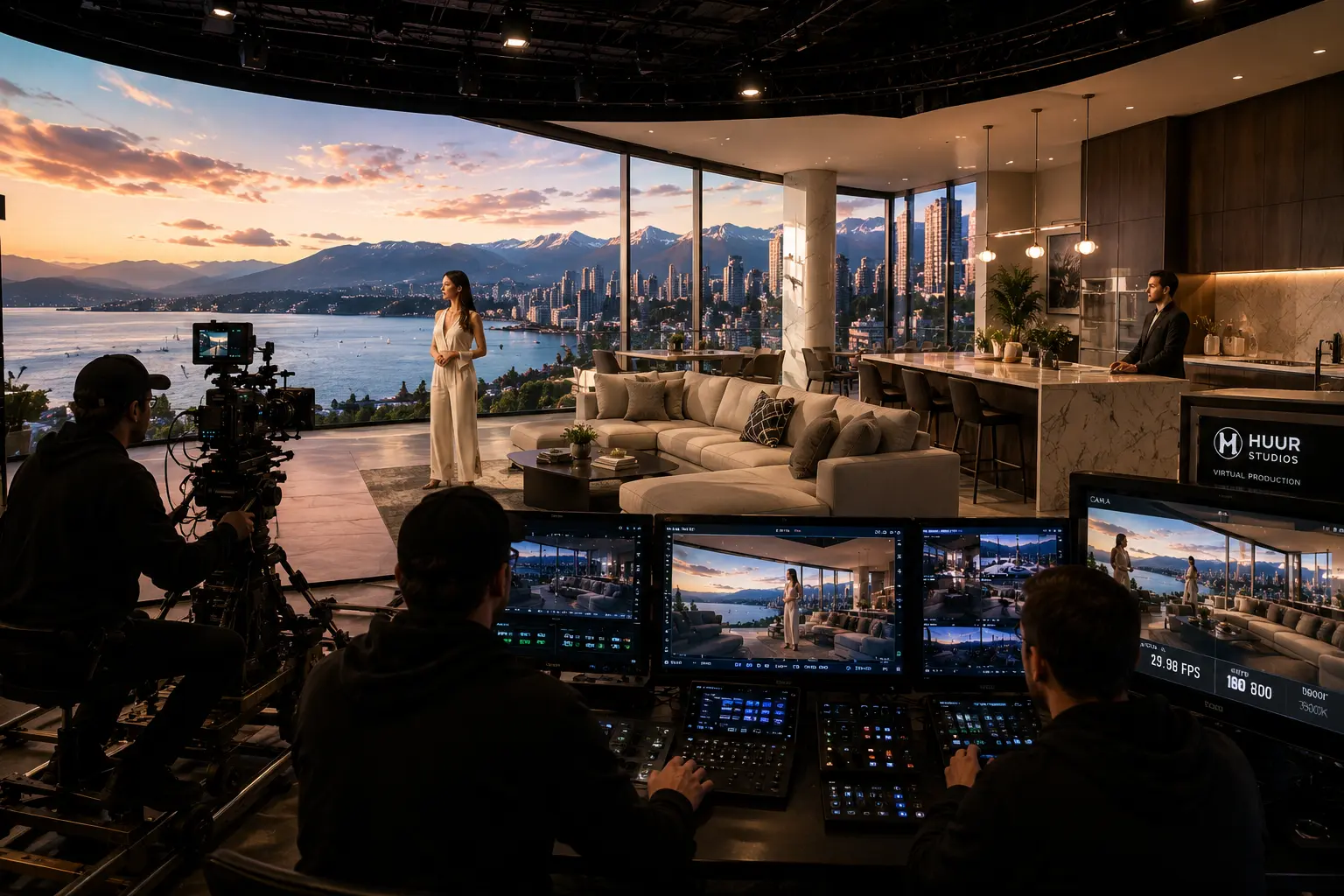
Real-time interior rendering also enables interactive configuration exploration — allowing clients to swap flooring, cabinetry, lighting fixtures, and finish materials within a fully photorealistic environment and see the results instantly rather than waiting for new static renders to be produced. HUUR Studios builds this configurability into its immersive interior experiences specifically for clients managing multiple finish package options across presale developments, where the ability to explore alternatives in real time accelerates both client decision-making and the internal approval workflows that depend on stakeholder consensus around final material selections.
This real-time capability does not replace the cinematic, carefully composed photorealistic interior rendering that HUUR Studios produces for primary marketing assets — it complements it, giving clients an exploratory tool alongside the polished hero imagery that anchors a project’s visual identity.
Why Emotional Realism Matters in Interior Presentation
Emotional realism — the quality that makes a viewer feel something genuine when looking at a rendered space, rather than simply recognizing its spatial accuracy — is the ultimate measure of successful photorealistic interior rendering. Technical accuracy alone, however sophisticated, does not guarantee this emotional response. A render can be physically correct in every measurable respect and still leave a viewer cold, unmoved, and uncommitted to the space it represents.
HUUR Studios treats emotional realism as a deliberate creative objective for every cinematic interior visualization project — asking not just “does this look real?” but “does this make someone want to live here?” This distinction shapes every creative decision, from the specific moment of light selected to the small staging details that suggest a life already being lived within the space — a book left open on a side table, the particular angle of a chair pulled slightly away from a dining table, the warmth of a single lamp left on in an otherwise daylight-filled room.
The Commercial Impact of Emotionally Resonant Rendering
For Vancouver developers and architectural firms, the commercial impact of emotionally resonant photorealistic interior rendering extends directly to conversion and approval speed. A buyer who feels an emotional pull toward a rendered space moves through their decision process with less friction and fewer second-guessing delays than a buyer who has only confirmed that a space meets their functional requirements. Investors and design review committees respond similarly — emotional conviction about a project’s quality accelerates consensus in ways that purely technical accuracy does not.
HUUR Studios builds this emotional dimension into every photorealistic interior rendering project specifically because the studios and developers who treat realism as purely a technical achievement consistently underperform those who treat it as the foundation for genuine emotional storytelling about how a space will feel to inhabit.
FAQ — Photorealistic Interior Rendering Explained
1. What is photorealistic interior rendering? Photorealistic interior rendering is computer-generated interior imagery that is visually indistinguishable from photography of a real, physically built space. It requires physically accurate light simulation, authentic material rendering, and atmospheric detail that together eliminate the visual cues that typically signal an image is digitally generated.
2. How is photorealism achieved in interior visualization? Photorealism in interior architectural visualization is achieved through physically based rendering engines simulating accurate light transport, material systems replicating real-world surface properties including subtle imperfections, and deliberate atmospheric elements like volumetric light and depth of field that mirror how cameras and human eyes perceive real space.
3. Can interior renderings be interactive in real time? Yes — real-time interior rendering, built on game engine technology, allows clients to navigate rendered spaces freely, adjusting viewing angle, lighting, and material configurations instantly. This creates immersive interior experiences that complement static photorealistic imagery for presale marketing and design review.
4. Why is realism important in interior architectural visualization? Realism accelerates buyer and stakeholder confidence by eliminating doubt about how a finished space will actually look and feel. High-end interior rendering reduces approval delays, increases emotional engagement, and measurably improves conversion rates compared to standard visualization quality in competitive real estate and design markets.
Conclusion
Photorealistic interior rendering has moved from a creative differentiator to a commercial necessity for developers, architects, and interior designers competing in North America’s most sophisticated real estate and design markets. The combination of physically accurate lighting, authentic material rendering, atmospheric emotional depth, and increasingly, real-time interactivity defines the standard that high-end interior rendering must meet to genuinely accelerate client approvals and convert buyer interest into commitment.
The cost of falling short of this standard is rarely visible in a single line item, but it accumulates across every stage of a project’s commercial life. A render that reads as obviously synthetic does not just fail to impress — it actively introduces doubt into a buyer’s or stakeholder’s decision process, doubt that translates into longer approval cycles, more revision requests, and a measurably higher rate of walked-away deals.
HUUR Studios builds photorealistic interior rendering that treats every project as a cinematic creative production rather than a technical exercise — combining the physical accuracy that eliminates viewer doubt with the emotional realism that creates genuine desire for the space being presented. This means every lighting decision, every material choice, and every atmospheric detail is approached with the same intentionality a film director brings to a key scene, not as a checklist of technical requirements to satisfy. The result is consistent: faster stakeholder alignment, fewer rounds of revision, and buyers who arrive at their decision having already formed a genuine emotional connection to a space that does not yet physically exist.
If your interior spaces deserve to be felt rather than merely shown, photorealistic interior rendering at this standard is exactly what HUUR Studios delivers.